
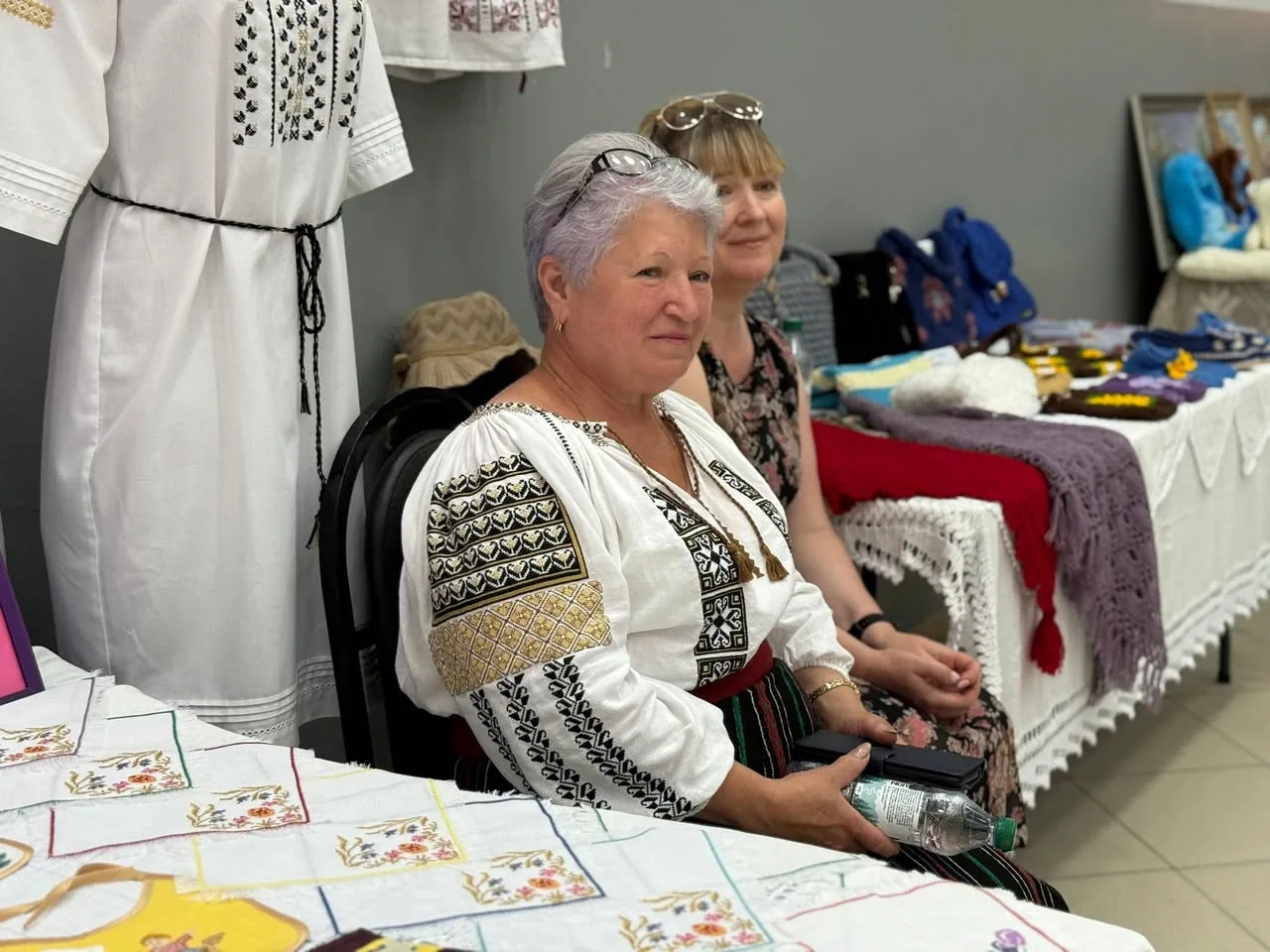
In a village on the edge of Ungheni district, by the Prut, a festival closed months of work by a group of women — and its point was bigger than the hand-sewn shirts on display. In Costuleni, the embroidered shirt and the craft became a bridge: between generations, but also between the women of the community and the refugee women the district hosts.
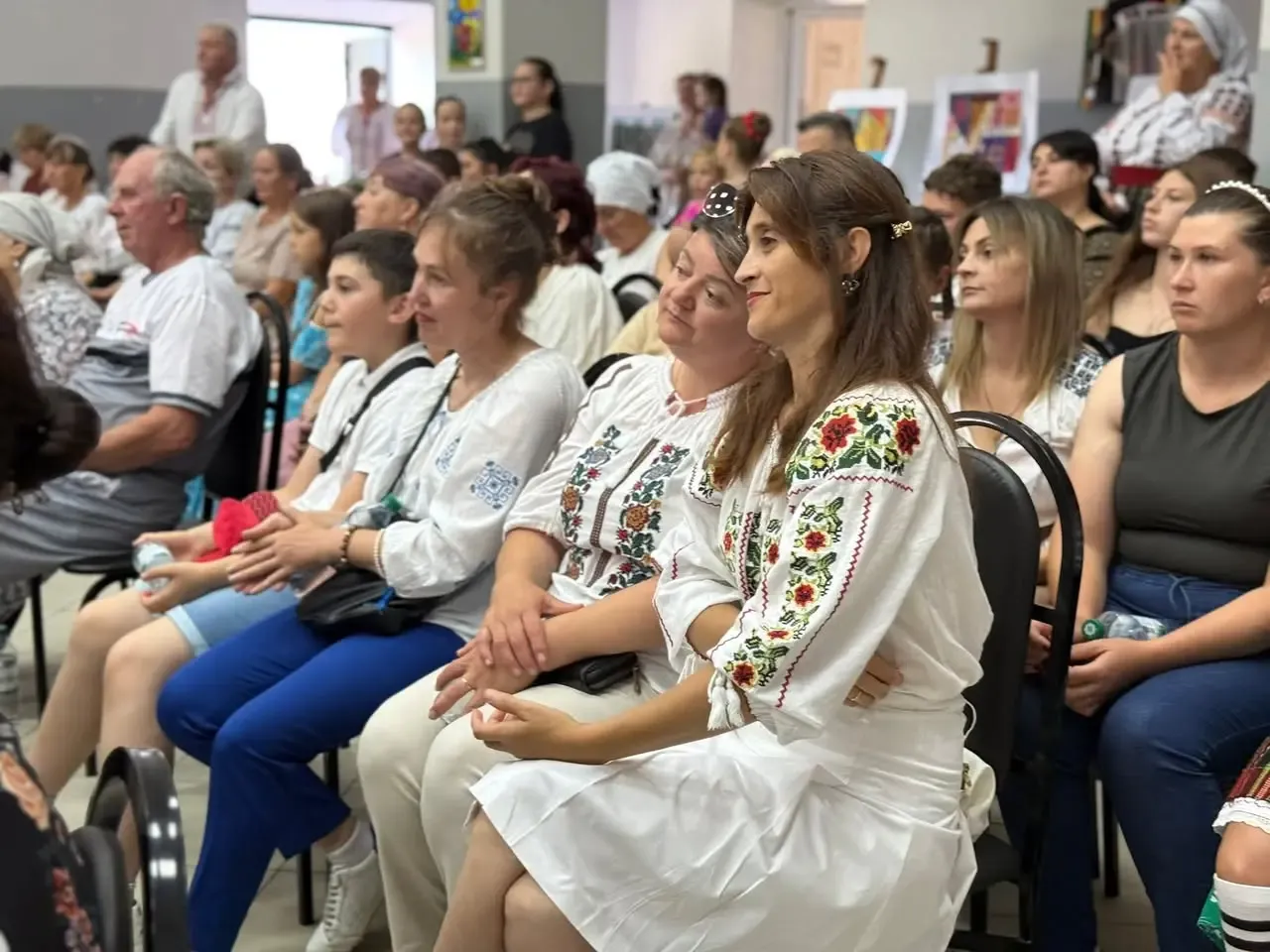
The festival “Thread by thread — traditions, peace and hand-sewn shirts” marked the end of a community initiative and brought together women, young people, children and families around local traditions. Visitors saw hand-sewn shirts and the stories behind them, took part in interactive workshops, watched folk craftspeople at work and rediscovered the tastes of traditional cuisine.
A local network, not a single institution
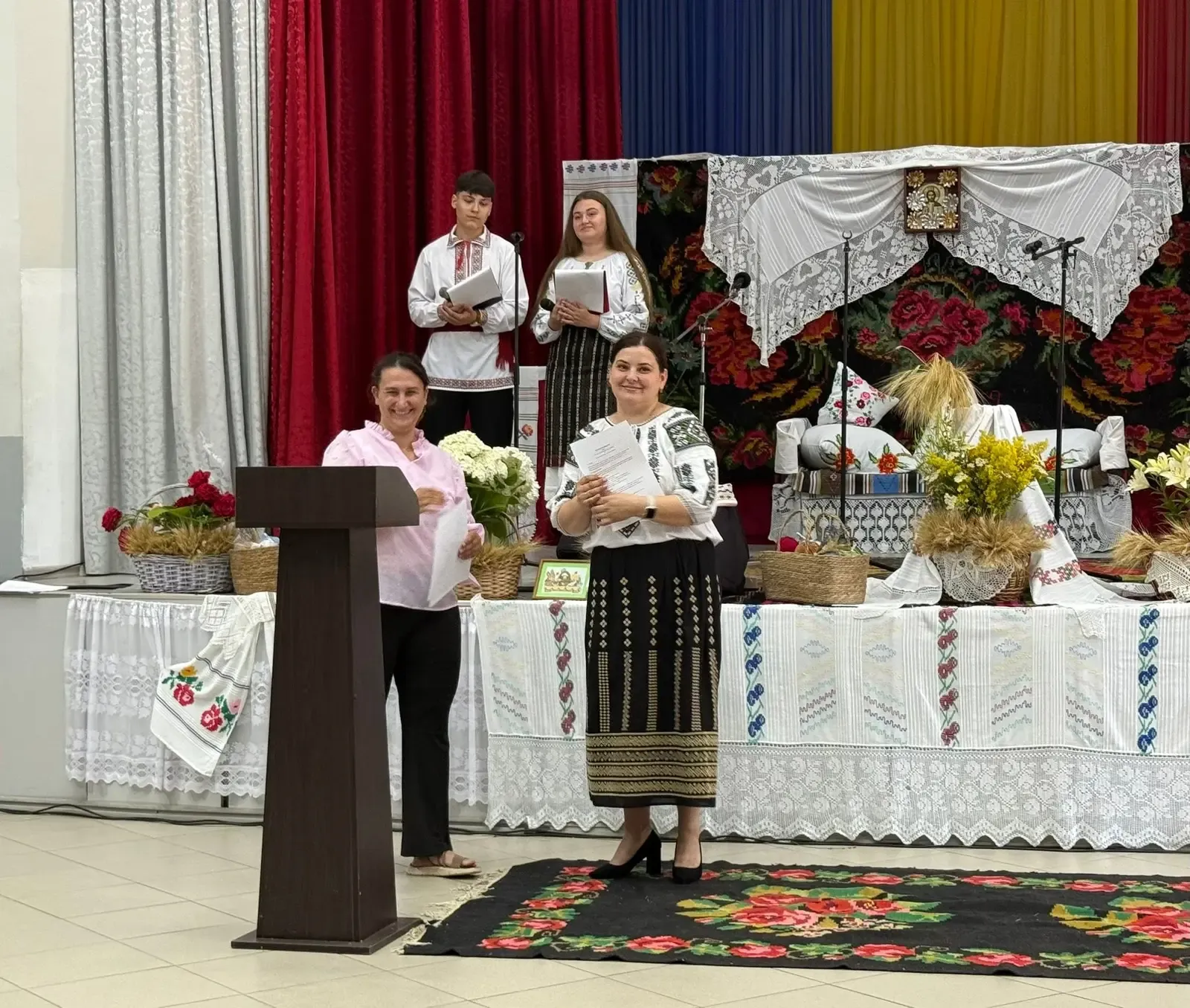
Behind the festival stands a network of local actors. The initiative was carried by the Local Initiative Group of Women for Peace in Costuleni, together with the “Costuleni Natives Association — With Love for Home” and the Costuleni town hall. These are exactly the kind of structures that usually stay invisible: a group of women, an association of those who left but never forgot their village, and the local administration — all at the same table.
A festival at the end of a peace project
The Costuleni event was not an isolated celebration, but the visible end of a project with a precise aim: “Local Action for Inclusive Recovery — empowering refugee women and women from host communities through peacebuilding and economic resilience.” The community initiative was implemented within it by Gender-Centru, under the Platform for Gender Equality, and funded by UN Women Moldova through the Women’s Peace & Humanitarian Fund — an international fund dedicated to the role of women in building and keeping peace.
For a border district like Ungheni, which took in refugees from Ukraine, that dimension is not decorative: the project ties women’s economic empowerment to the closeness between newcomers and the host community. And Costuleni chose to do it through what it had closest at hand — the needle, the thread and a heritage the women keep alive.
Change is built together — thread by thread, step by step, and generation after generation. Gender-Centru
Beyond the formula, the festival showed something concrete: in a village in Ungheni district, heritage can be more than a memory to preserve — it can be a reason for different people to sit at the same table.
This report is based on Gender-Centru’s official account of the Costuleni festival (June 28, 2026) and on the description of the project under which it was held — implemented by Gender-Centru under the Platform for Gender Equality and funded by UN Women Moldova through the Women’s Peace & Humanitarian Fund. The photos belong to Gender-Centru.