
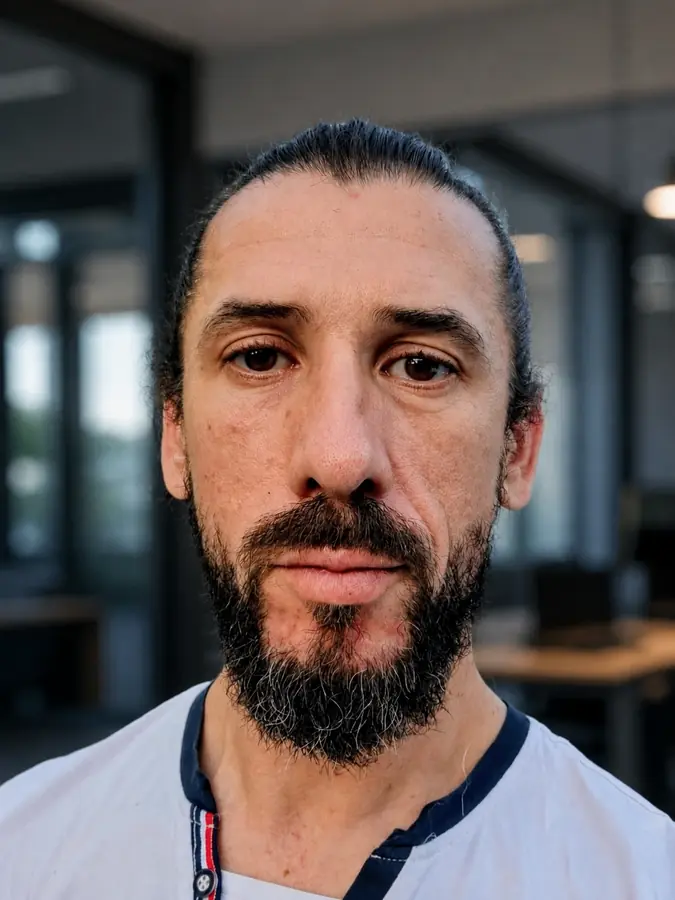
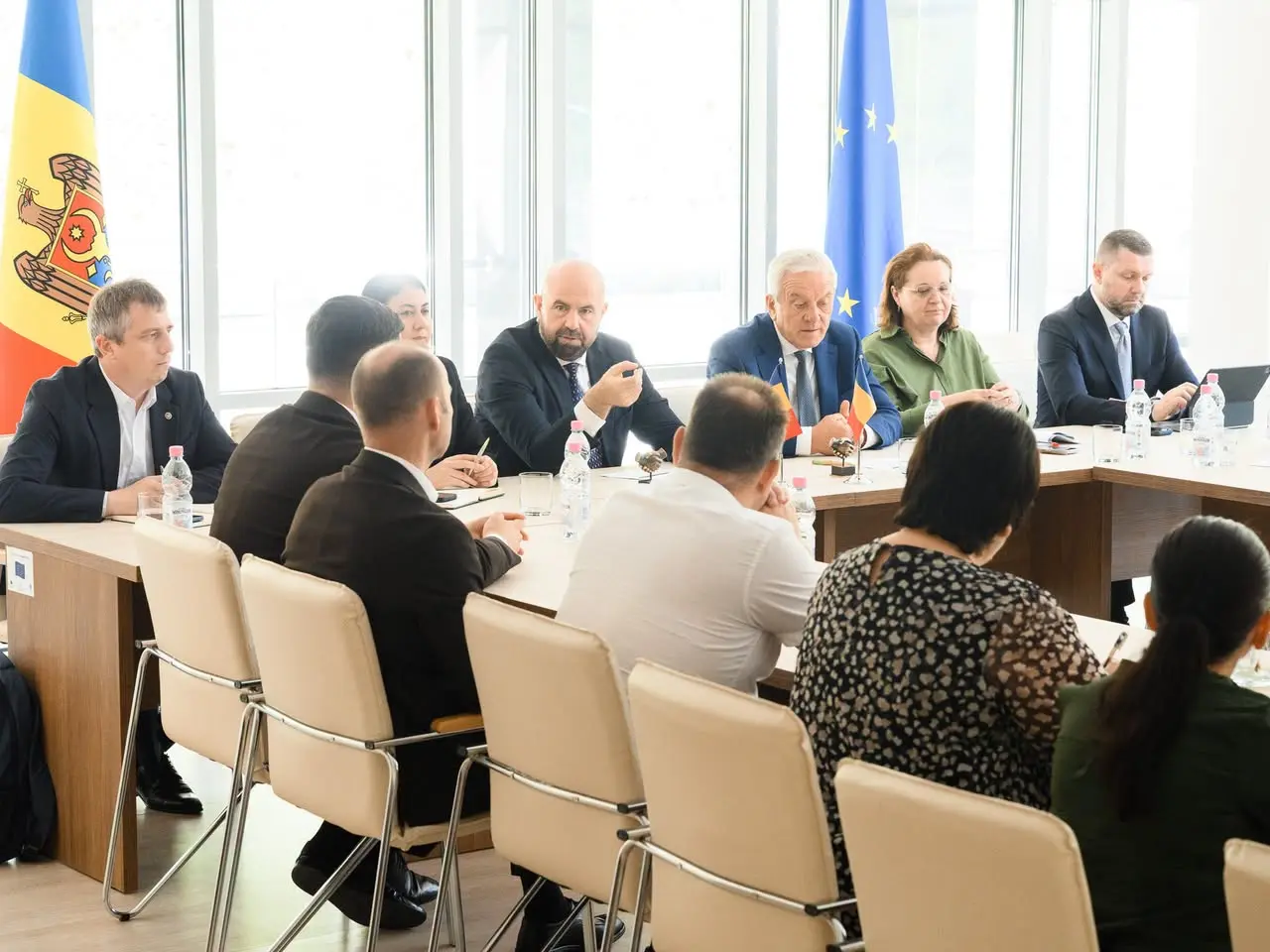
How to attract and how to spend EU money without mistakes — that is the question local authorities from across Moldova asked themselves this week, among them the president of Ungheni district, Dionisie Ternovschi. The answers came from someone who has already walked this road: a delegation from the city of Buzău, in Romania.
For Ungheni, the stakes are not abstract. Ternovschi says the priorities the district wants to address with such funds are the ones every village feels daily: tap water, sewerage and roads.
What was discussed, and with whom
The meeting was organised by the Ministry of Infrastructure and Regional Development (MIDR) in Ialoveni, alongside deputy PM Vladimir Bolea. Around the table sat representatives of local authorities from several cities and of the Regional Development Agencies; on the other side, a delegation from the Buzău city hall led by mayor Constantin Toma and made up of experts in regional development, mobility and European funds.
The subject: how Romania managed its EU pre-accession money — through the PHARE, ISPA and SAPARD programmes — and what Moldova can take from that experience now, as a candidate country preparing for its own European funding instruments.
”We have someone to learn from, avoiding the mistakes”
The district president’s message was that the problems Romania faced at the start strikingly resemble Moldova’s today — and that this is precisely why the neighbours’ road is a useful map.
Romania’s problems were identical to ours. We have someone to learn from, avoiding the heavy mistakes made by our neighbouring brothers. Dionisie Ternovschi, president of Ungheni district
The Buzău specialists stressed that the success of using European funds depends above all on how early institutions prepare. Among the lessons drawn from the Romanian experience: preparing project portfolios and feasibility studies well in advance, building specialised teams inside city halls and councils, and harmonising the rules in key areas, so that when the money arrives institutions are ready to spend it rather than lose it.
The delegation’s visit also included meetings with the National Road Transport Agency and the National Roads Administration, where road infrastructure projects, funding sources and investment priorities were discussed — a chapter that directly concerns local roads in districts such as Ungheni.
Romania has already gone through the stages the Republic of Moldova is going through today. The experience gained in regional development, managing European funds and modernising infrastructure is an important resource we can draw on to build stronger institutions and to accelerate the country’s preparation for joining the European Union. Vladimir Bolea, deputy prime minister
What’s at stake for the district’s villages
Beyond the statements, the meeting touches a sensitive point for the district’s villages. Tap water, sewerage networks and roads remain, in many rural localities around Ungheni, things still unfinished — exactly the categories of project that future European funds could finance, if local authorities arrive prepared with ready-to-go projects. The lesson brought from Buzău is, in essence, one of timing: those who do their feasibility studies and build competent teams early catch the money; those who start preparing only when the funding opens miss it. For a border district that wants to bring its villages closer to the standards on the other bank of the Prut, the stakes are as concrete as they get.