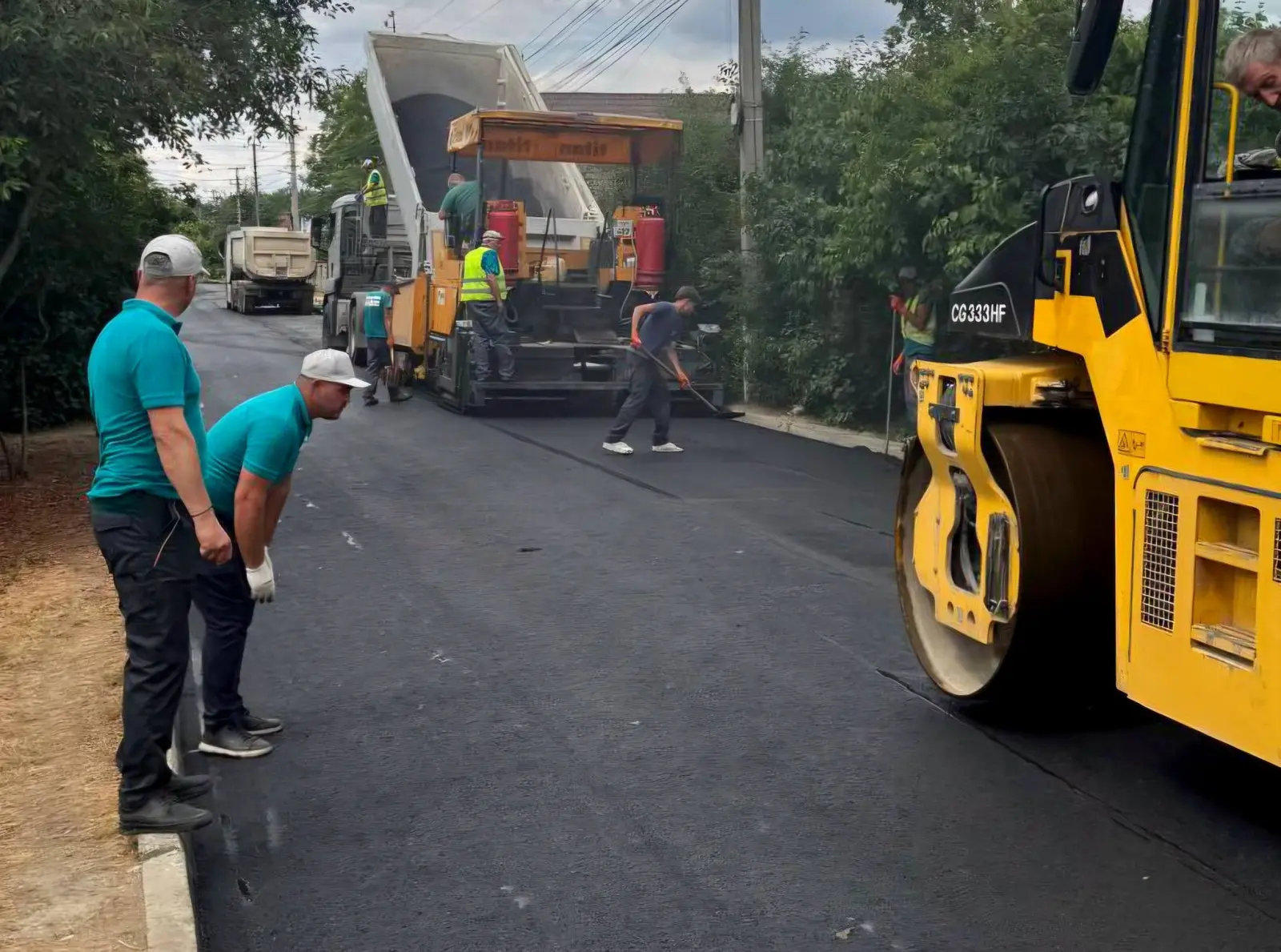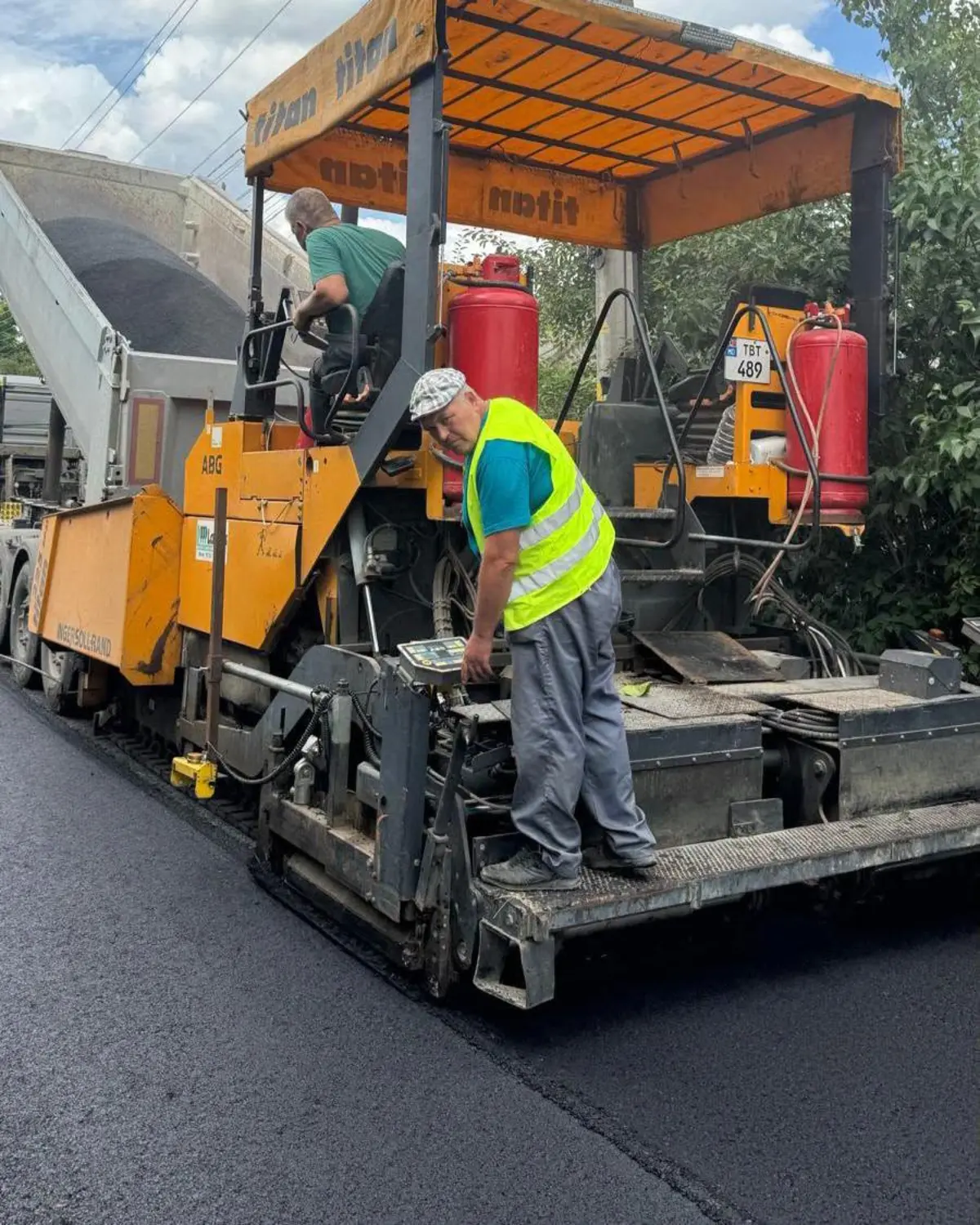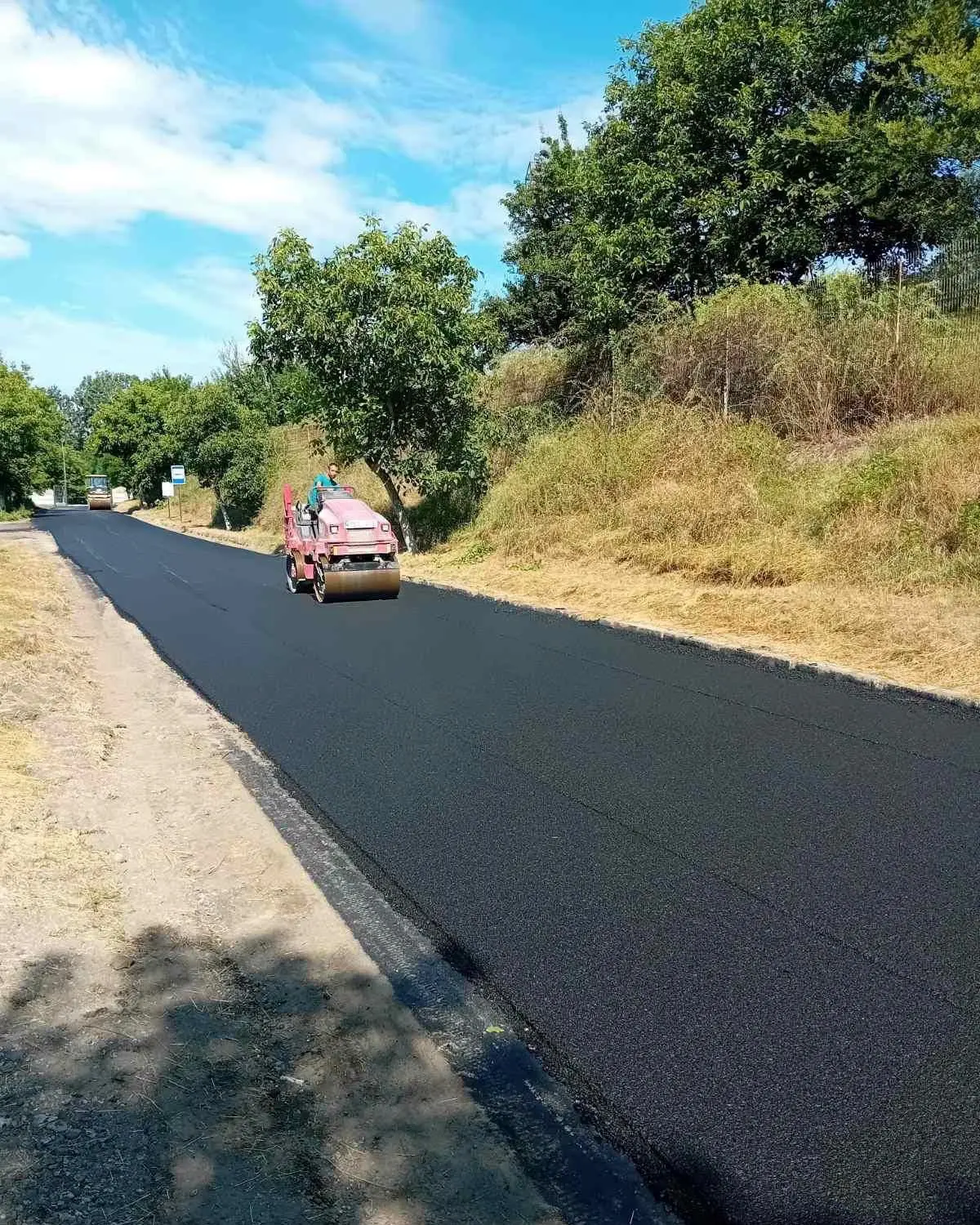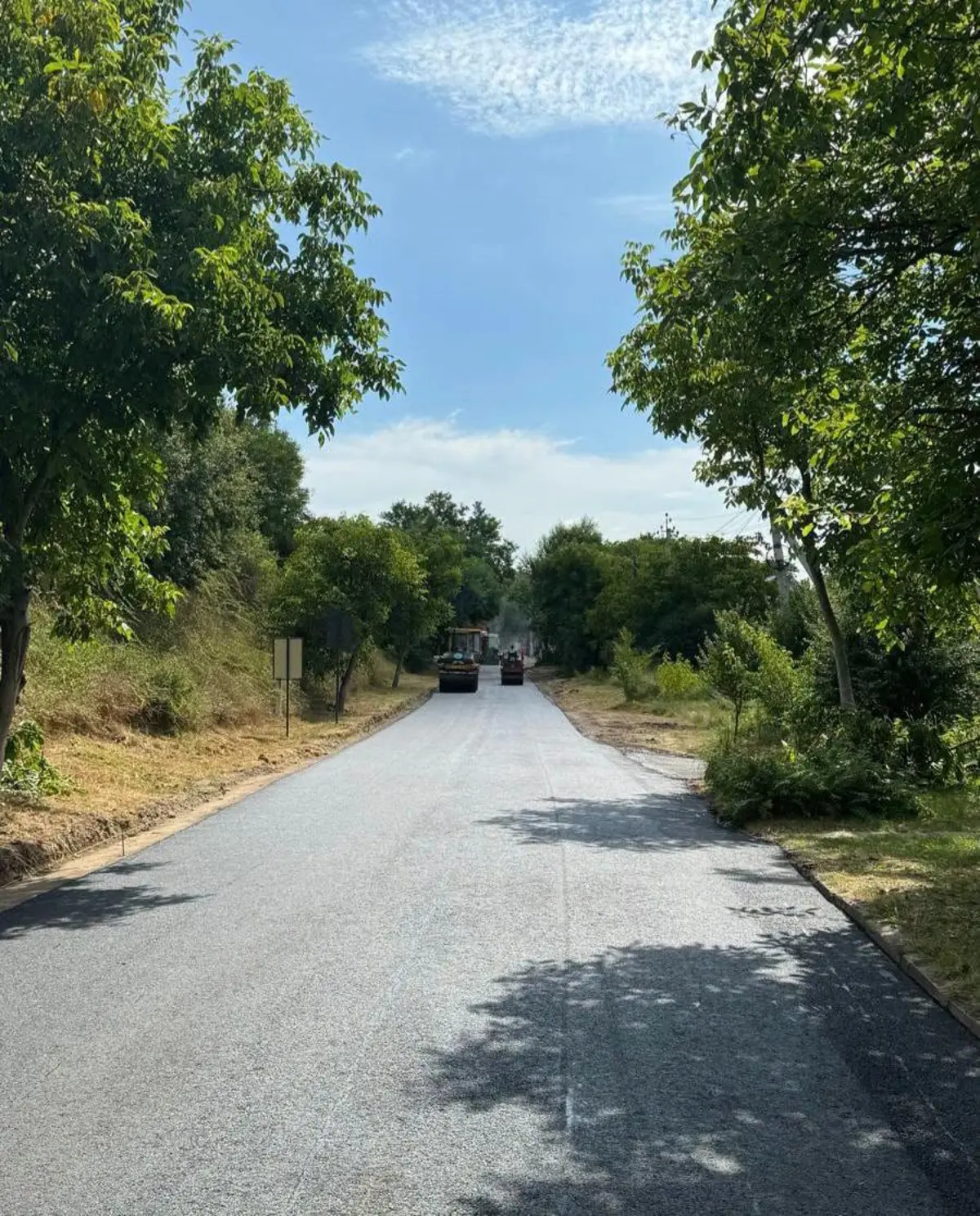
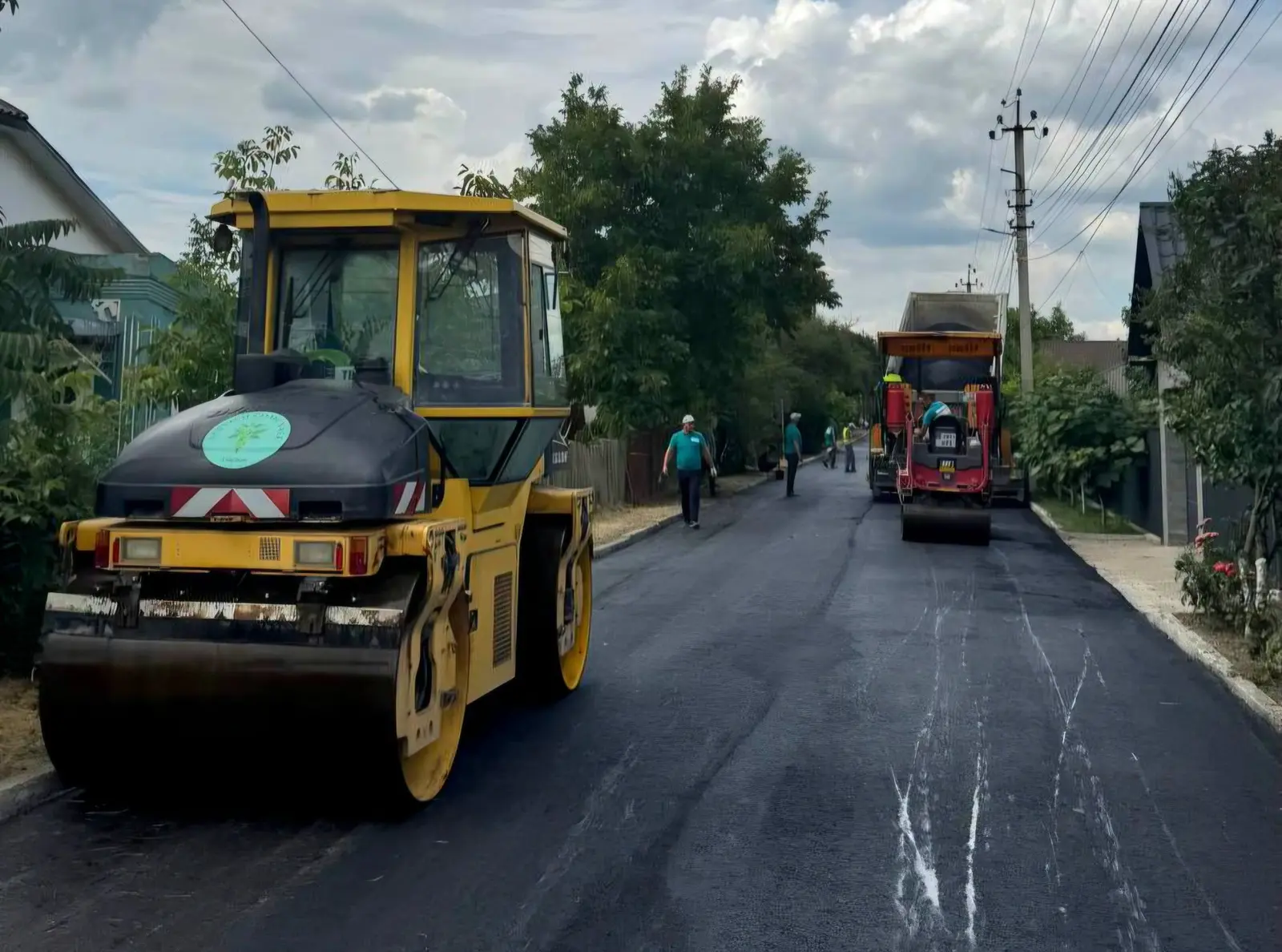
On Friday, 10 July 2026, Ungheni City Hall announced on Facebook that it had paved two more streets in the Ungheni Vale neighbourhood — Arcașii lui Ștefan and Suceava. According to the administration, this is 850 metres of new roadway, between 5 and 7 metres wide, carried out by the municipal enterprise SRL „Servicii Comunale Ungheni”, and „the financial sources are from the budget of Ungheni City Hall”.
The announcement reads like good news — and, at the level of the asphalt laid, it is. But the phrase „from the City Hall budget” tells less than the whole story. One of the two streets, Arcașii lui Ștefan cel Mare, appears on the list of roads that the Ungheni Municipal Council approved on 15 May to be modernised from the 10 million lei the town is borrowing, for the first time through municipal bonds — that is, on debt.
What the City Hall says
The administration’s post is short and practical. The rehabilitation of the roads „will continue with other streets in other neighbourhoods”, the City Hall says, and the order is not random: „the priority is to pave the streets served by urban public transport, after which the others will follow”. This is the same logic the municipality used for the second section of Burebista Street, also with budget money and also through the municipal company.
What the documents show: the street is on the 10-million list
On 15 May, the Municipal Council adopted Decision No. 4/25, which approves „the use of a sum of up to 10,000,000.00 lei” raised through bonds for the modernisation of local roads. The decision’s annex lists 14 objects — among them Națională, Mihai Viteazu, A. Plămădeală and C. Stamati streets, Decebal lane, the pavement on Ștefan cel Mare, the 700-metre section on Burebista and Arcașii lui Ștefan cel Mare street, with 570 metres of paving. Suceava street, the other one in Friday’s announcement, does not appear on the list.
In other words, at least part of the „850 metres from the City Hall budget” belongs, on paper, to the programme financed with borrowed money. The loan is not free: Ungheni’s bonds are set to carry an interest rate of up to 10% a year and a three-year maturity, while the principal and the interest are repaid from the local budget — that is, ultimately, from the contributions of the people of Ungheni. The 10 million represents around 4–5% of the municipality’s budget.
The document also has a limit we flagged when we wrote about the pavement on Ștefan cel Mare: the decision and its annex publish the lengths, widths and type of surface for each street, but not how much each one costs — only the total ceiling of 10 million. So, for the 850 metres paved in Ungheni Vale, the actual amount was made public neither in the post nor in the council document.
Through municipal bonds, we invest today in the sustainable development of tomorrow’s Ungheni. Vitalie Vrabie, Mayor of Ungheni
The decision also sets out the criteria by which the streets are chosen: technical condition and degree of deterioration, importance for the urban road network, access to public, educational and social institutions, traffic safety and „other justified technical-economic criteria”. The priority given to streets with public transport, invoked in the post, fits within these criteria.
Who does the work and out of which pocket
The works in Ungheni Vale are carried out „in-house”, by SRL „Servicii Comunale Ungheni” — an enterprise whose sole shareholder is the municipality and which, besides roads, also provides the urban public transport service. For such works done through its own company, the town does not organise a tender with competing firms, as happens with projects financed from national money. The main reconstruction of Burebista Street, for instance, is being carried out under the government programme „Europa este aproape” (Europe is Near) and was contracted, following a procedure, to an outside firm, SA „Drumuri-Strășeni”.
It follows that Ungheni’s roads are paid for, in parallel, from at least three pockets: the national programme „Europa este aproape”, the 10-million loan through bonds and the city hall’s current budget. Posts about „another street paved” do not, as a rule, say which of them the money comes from for each individual job.
The queue of streets and quality, in the comments
Under the post, the reactions of Ungheni residents quickly outlined the other side of things too. Several residents thanked and praised the pace of the works. Others listed the streets still waiting their turn — Coșbuc, Cuza Vodă in the Ungheni Deal area, Pantelimon Halippa — some, they say, impassable in the rain, with water knee-deep at the stop and rubbish left uncollected because of the road. A few also raised the issue of quality, complaining of repaired sections that, after one or two rains, deteriorate again.
These are residents’ claims, not findings verified by our newsroom, but they outline the real scale of the problem: the municipality of Ungheni is part of a district with 383 kilometres of public roads, of which 172.5 are local (National Bureau of Statistics data for the end of 2025). Against this network, a few hundred metres paved at a time represent a small step, taken one at a time.
The next streets on the list
On the list approved by the council remain, among others, Națională, Mihai Viteazu and A. Plămădeală streets, some with far larger surfaces than those paved now. The cost of each job appears neither in the decision nor in the City Hall’s announcements — the metres are public, not the price. For a town that borrows 10 million lei to fix its roads, it is precisely the price per street that would show the resident of Ungheni how much they actually pay for every hundred metres of asphalt.