
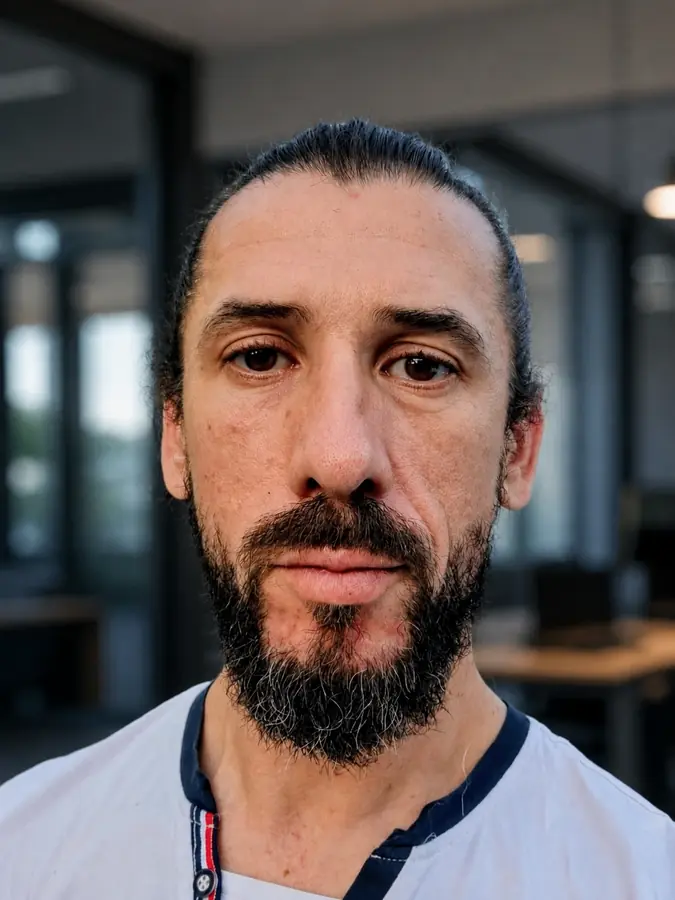
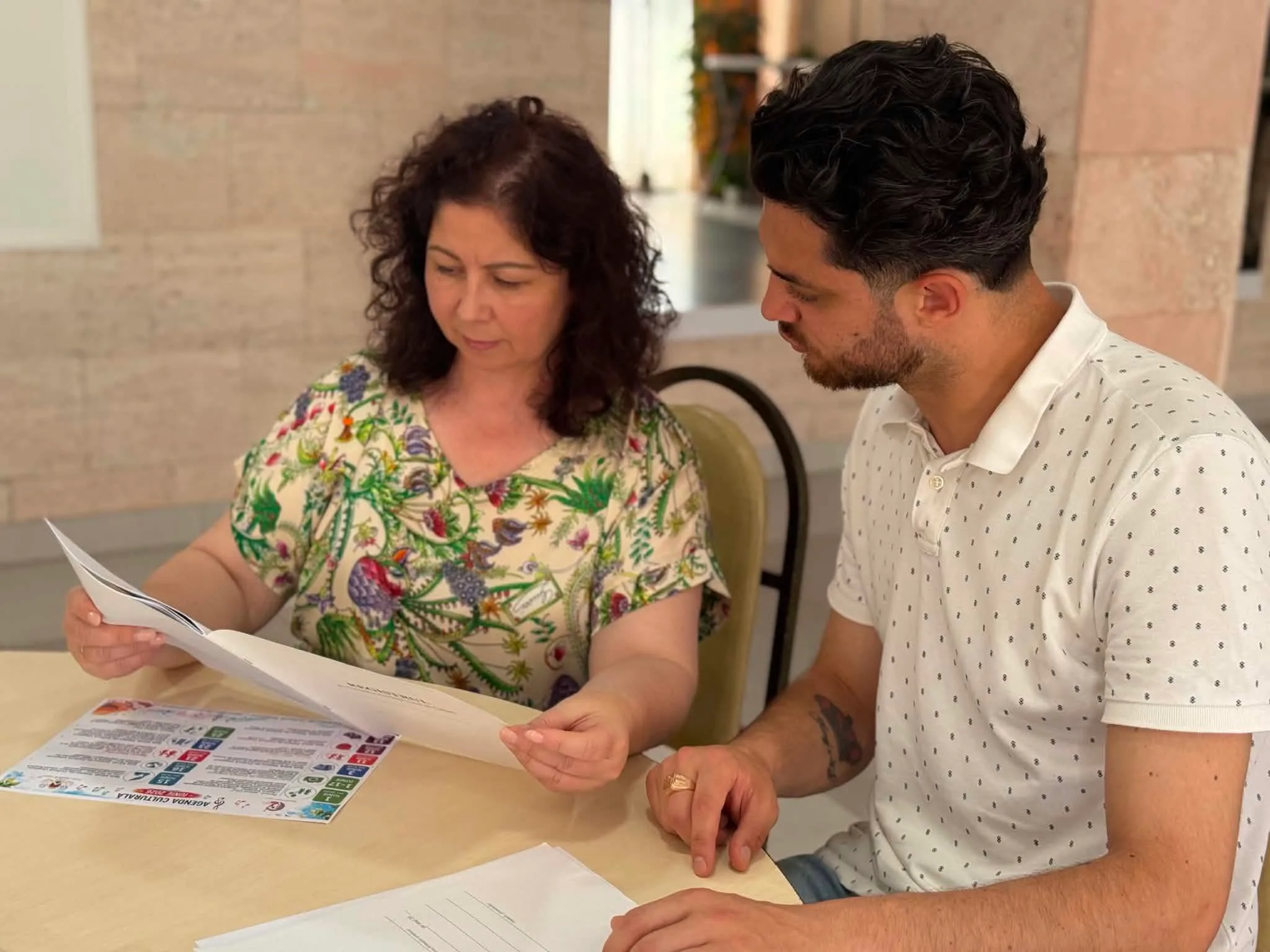
The Ungheni Palace of Culture has a new artistic director: Edgar Bunea, founder of the TeatrUngheni troupe, has been promoted to the role and was introduced to the institution’s staff on Wednesday, the institution announced in a post on Facebook.
Introduced to staff at a working meeting
The announcement was made by the Palace of Culture’s director, Silvia Zagoreanu, who introduced Edgar Bunea to colleagues at today’s working meeting. Bunea moves up from the institution’s stage director role and, according to the statement, will continue to lead the work of the TeatrUngheni troupe.
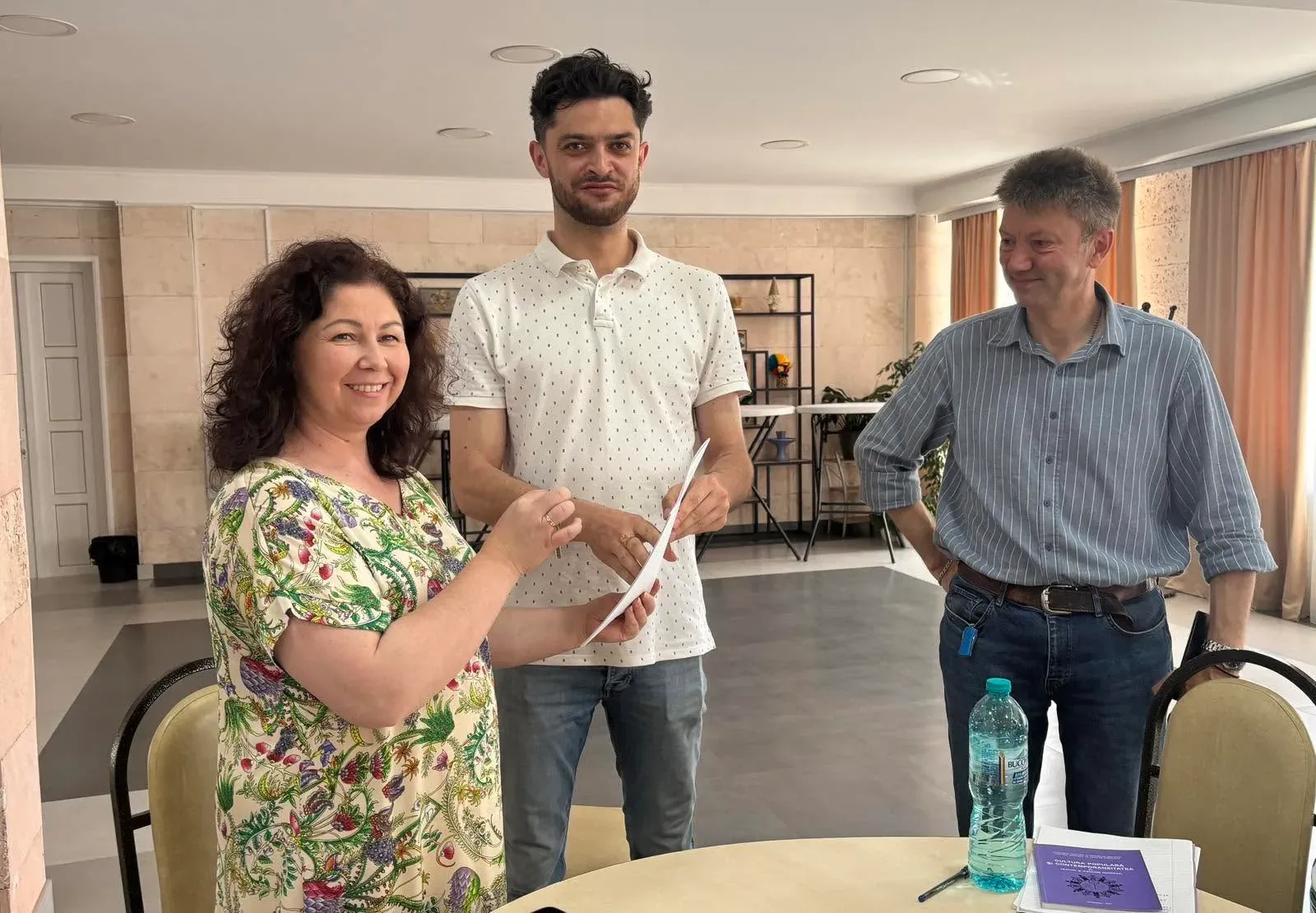
The moment of the announcement: director Silvia Zagoreanu and the new artistic director, Edgar Bunea. Photo: Ungheni Palace of Culture
According to the institution, his results and his steady involvement in the Palace’s work were the basis for the promotion.
Who is Edgar Bunea
A graduate of the Faculty of Arts at “Dunărea de Jos” University in Galați, Edgar Bunea is best known in the municipality through TeatrUngheni, the theatre troupe he founded.
The troupe’s work has also been documented by the press: in January 2025, on National Culture Day, Bunea performed an acting study about Eminescu alongside actress Evelina Lang at the poet’s bust in Ungheni; in April 2026, the troupe staged a commemorative performance in Înfrățirii Square about the organised famine of 1946–1947. The institution’s statement also mentions the cultural events he has organised and hosted, as well as initiatives aimed at young people.
What the new artistic director promises
At the meeting, Bunea said — according to the statement — that he wants a “cultural revolution” in the municipality of Ungheni. What exactly this promise means in practice — repertoire, calendar, budget — the institution does not spell out.
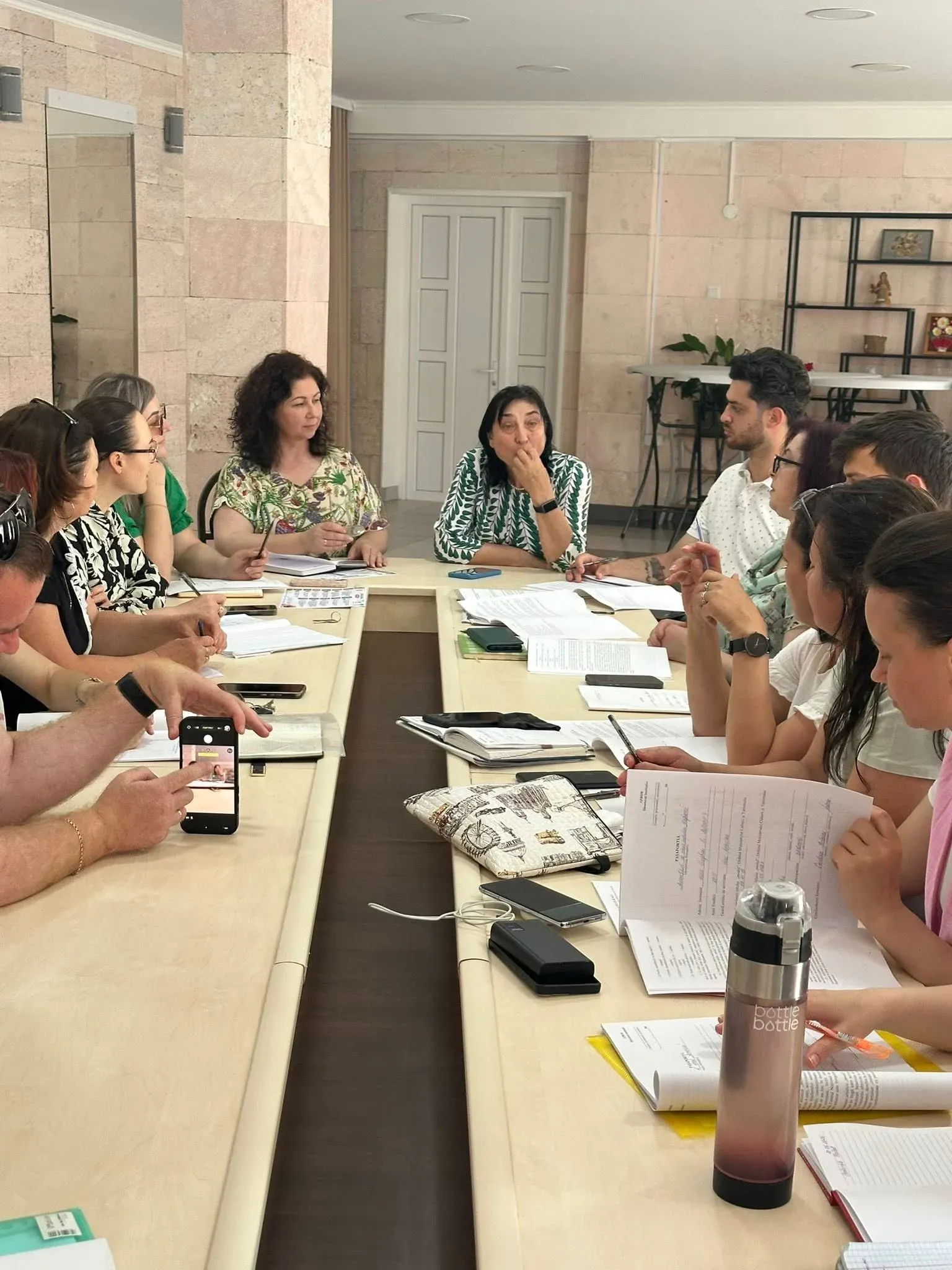
The working meeting of the Palace of Culture’s staff. Photo: Ungheni Palace of Culture
Who he replaces
Edgar Bunea takes over the role held until now by Adriana Diaconu. The statement does not give the reason for her departure from the post, nor what position she will hold within the institution from now on.
This article is based on the statement from the Ungheni Palace of Culture — the sole source for what happened at the meeting — and on independent press reports about TeatrUngheni’s work. We will follow what the promised “cultural revolution” means in concrete terms.