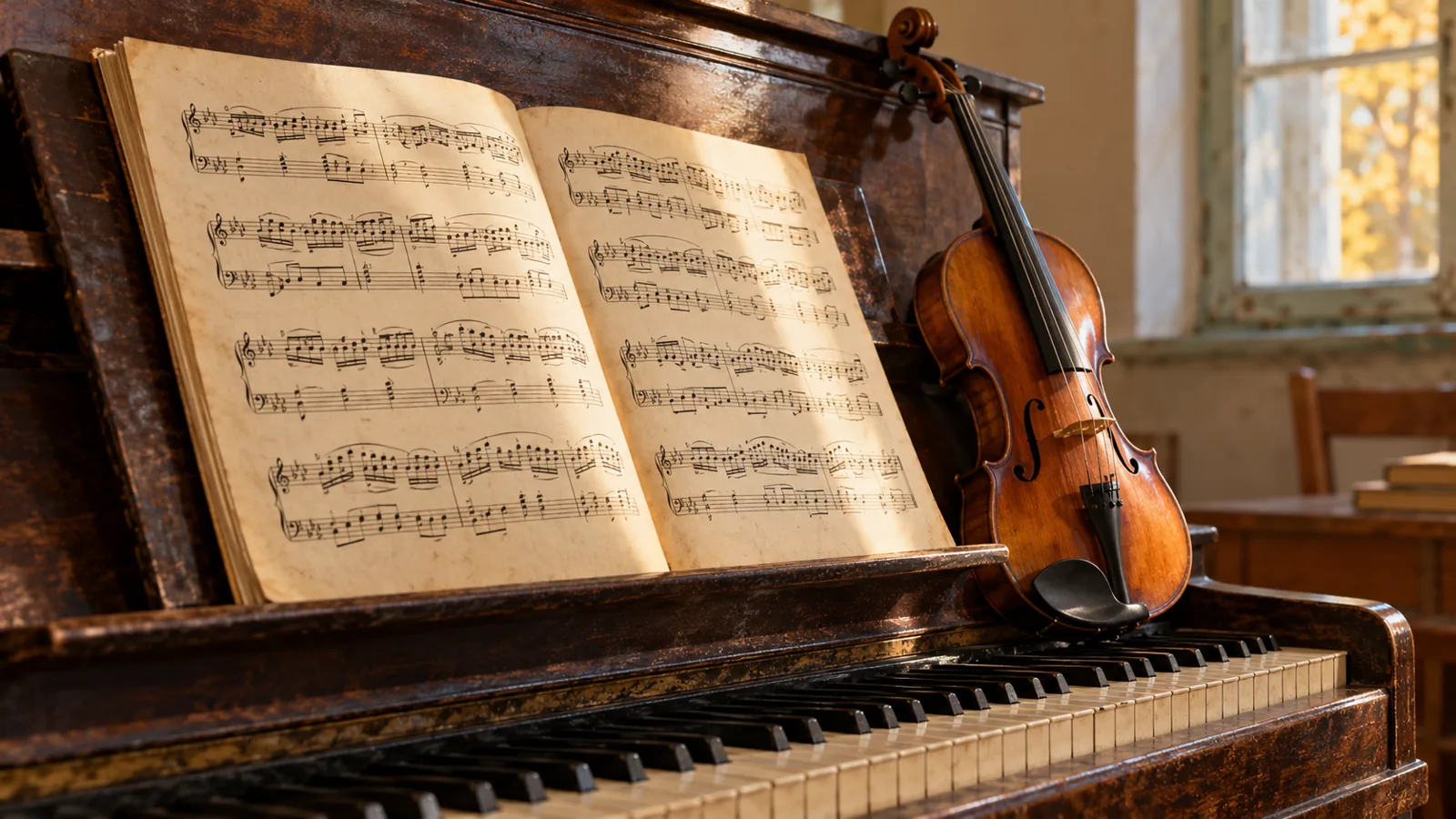
The educational concert “Children Sing Bach”, part of the J. S. Bach International Festival, comes to the “Doina and Ion Aldea-Teodorovici” Arts School in Cornești, Ungheni district, on 18 November at 15.30. Admission is free, the Organ Hall announced.
Coșeni village, in Negurenii Vechi commune, marked 480 years since its first documentary record on Sunday, 25 October, according to the mayor's office. Residents, natives of the village and three ensembles from the district were invited to the „Satule – vatră de dor” celebration.
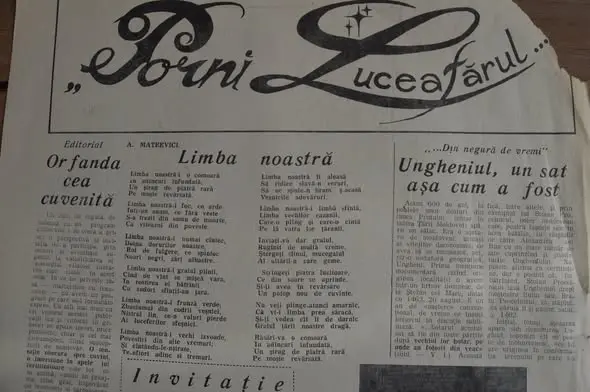
A supplement to the district newspaper 'Octombrie' appeared on Language Day 1990 carrying the full text of the poem 'Limba noastră', an article on the history of Ungheni and the programme of the first celebration. The Museum of History and Ethnography in Ungheni has published scans of all four pages.
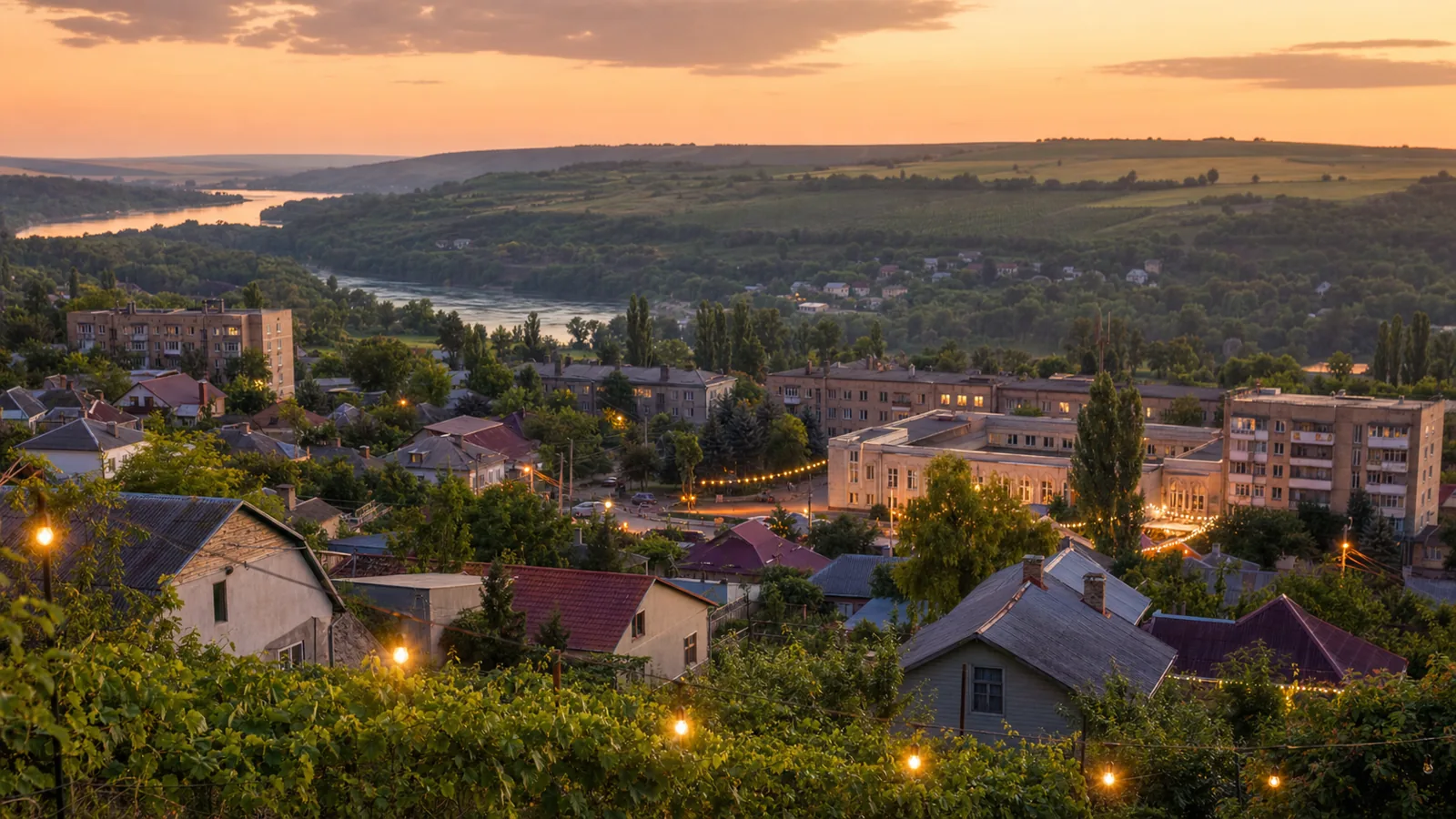
Ungheni's Municipality Days took place from 20 to 31 August. The celebration opened on 20 August for a precise reason: on that day, in 1462, the settlement is mentioned for the first time in a document — 564 years ago. The programme included the launch of a local-history yearbook, a folklore festival and concerts by performers with Ungheni roots, and on 27 August two new twinning agreements were signed, with the municipality of Tulcea in Romania and the city of Izmit in Turkey.
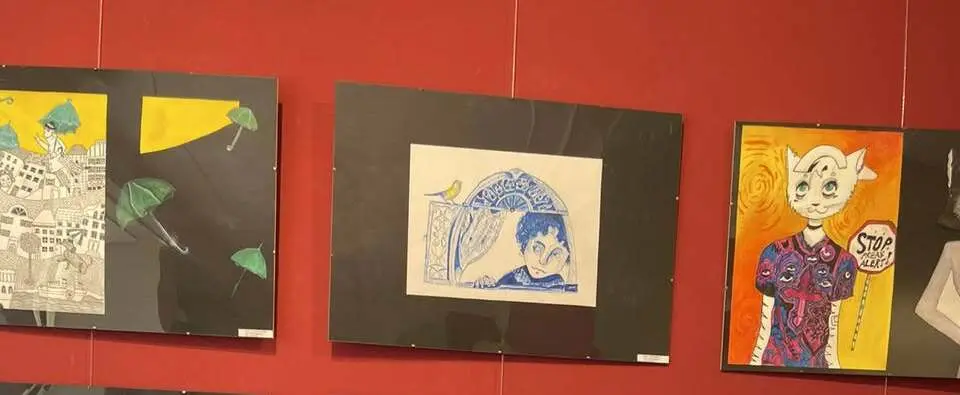
The exhibition «Linii în dialog» («Lines in Dialogue») brings together 17 young artists from Iași and Ungheni at the «Dumitru I. Grumăzescu» Galleries in Iași — a section of the «Regina Maria» Municipal Museum, the museum network of Iași City Hall. It is open until 31 July, and its opening was held on Thursday, 16 July. Seven of the exhibitors are pupils of the «Raisa Cojocaru» School of Fine Arts in Ungheni, coached by the school's headmistress. The show is run not by the school but by an association from Iași, through a project whose partners include Ungheni City Hall. Entry is free.
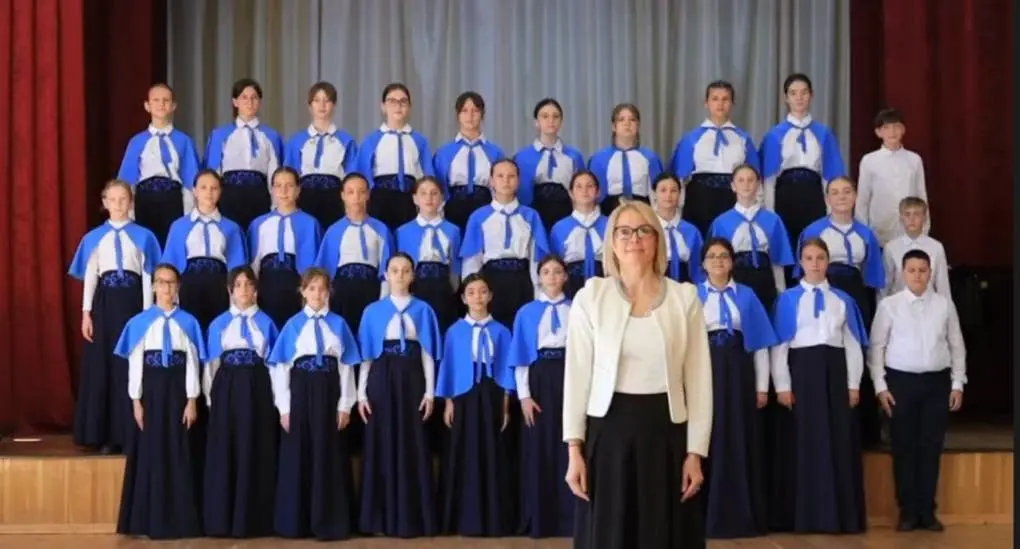
The «Elegie» children's choir, conducted by Ala Beleac, won the Grand Prize at the Elite International Arts Competition 2026 — a first-edition contest held entirely online. The distinction is a real victory for the children of Ungheni's Music School, and an occasion to look at the system behind it: a network of municipal art schools with nearly six decades of tradition, in a district that has lost more than half of its young people in twelve years.
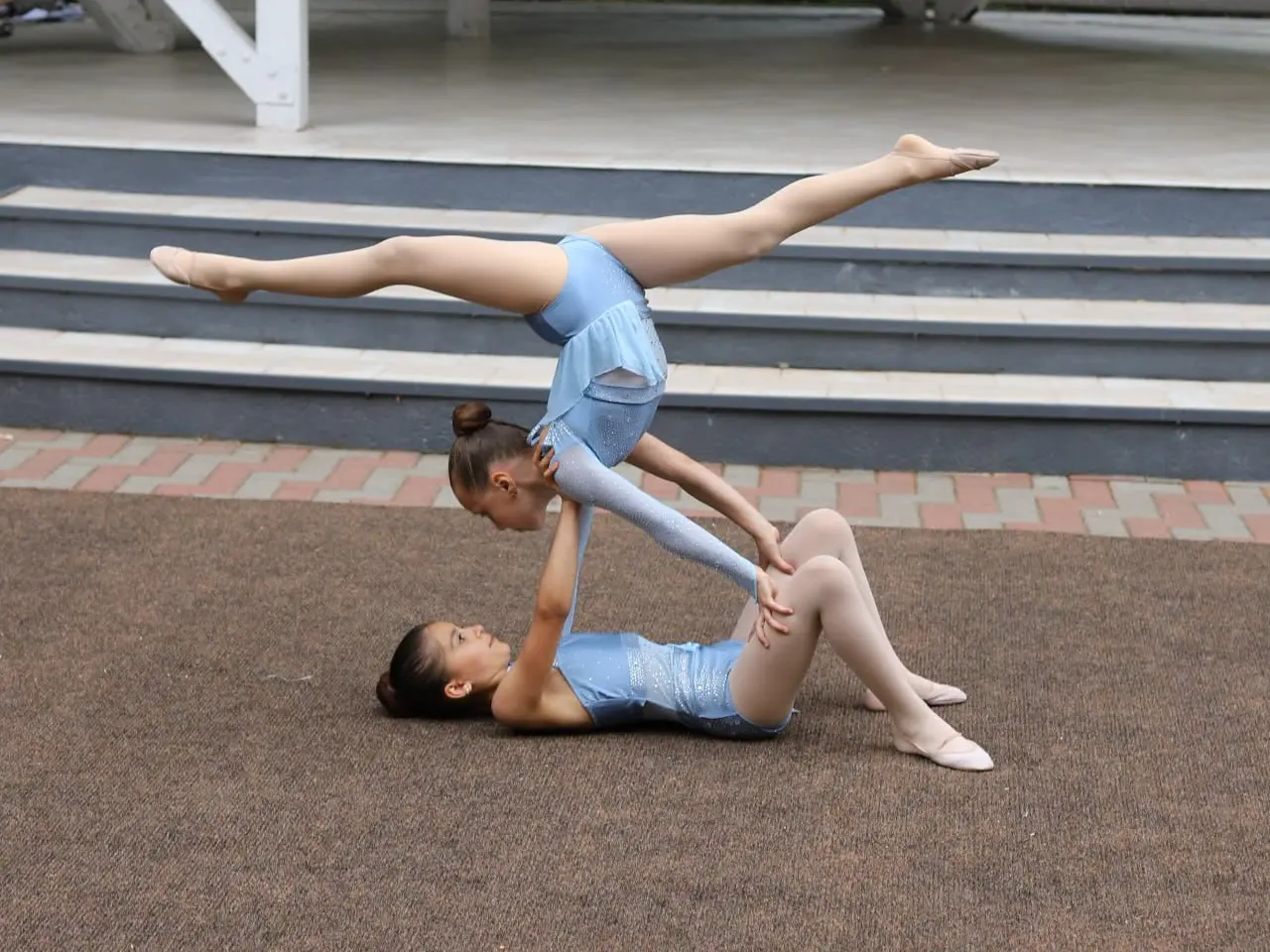
On Thursday evening, 9 July, gymnasts from two local studios and young soloists held the audience captive on the Micul Cluj Park stage in Ungheni, at a new evening of the „Vara Culturală-n Parc” (Cultural Summer in the Park) project. Beyond the show, it is about something concrete for the town's families — a free, open-air cultural programme that runs all summer and, this year, carries extra weight: with the House of Culture building going into renovation, the town's main hall has moved outdoors.
On 4 July 2026, 100 years passed since the birth — in the village of Unțești, Ungheni district — of Vasile Vasilache, one of the most original prose writers of Bessarabia's 1960s generation. His novel «Povestea cu cocoșul roșu» (The Tale of the Red Rooster, 1966) also brought him ostracism: the second part was struck down by Soviet censorship, and the book appeared in full only in 1986. For the centenary, the state honours him with a silver coin, a symposium at the Academy and an exhibition at the National Library — all in Chișinău. In Ungheni, the living trace is the lower-secondary school in his native village that bears his name.
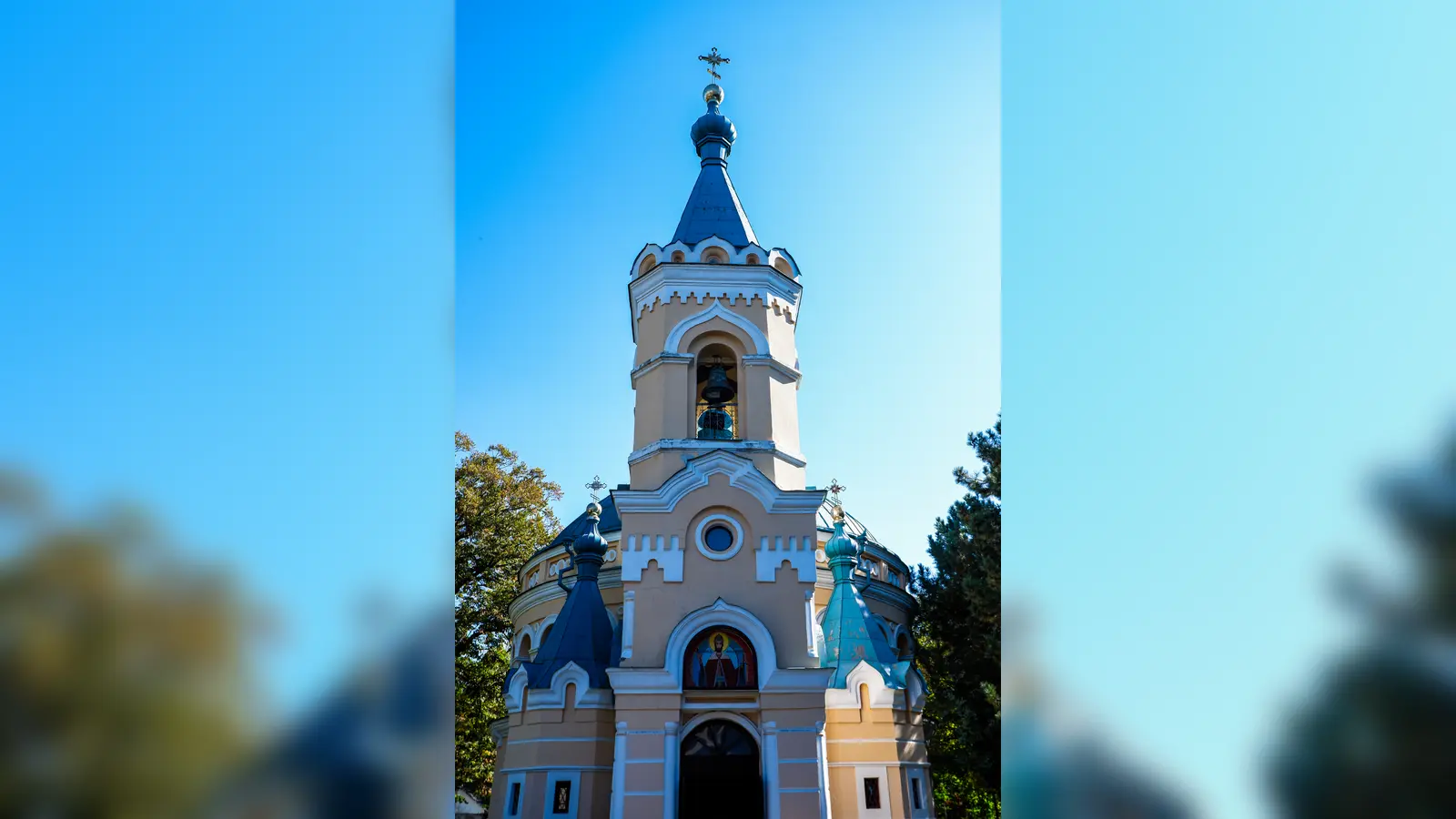
Today, 2 July, marks 195 years since the birth of Alexander Bernardazzi — Chișinău's chief architect in the second half of the 19th century and the author of dozens of landmark buildings, who designed and gifted the people of Ungheni the plan for the “St. Alexander Nevsky” Cathedral, built in 1903–1905 and now an episcopal cathedral. A street in the Tineretului district has borne his name since 2005. A bonus: the story comes with a correction — Bernardazzi was not born in Saint Petersburg, as often stated, but in Pyatigorsk, in the Caucasus — and a curiosity: that same street once carried the name of another great Bessarabian architect.
We use cookies for anonymous audience statistics (Google Analytics). We enable them only with your consent. Declining does not affect access to articles in any way. Details