TAG

#infrastructure

27 articles
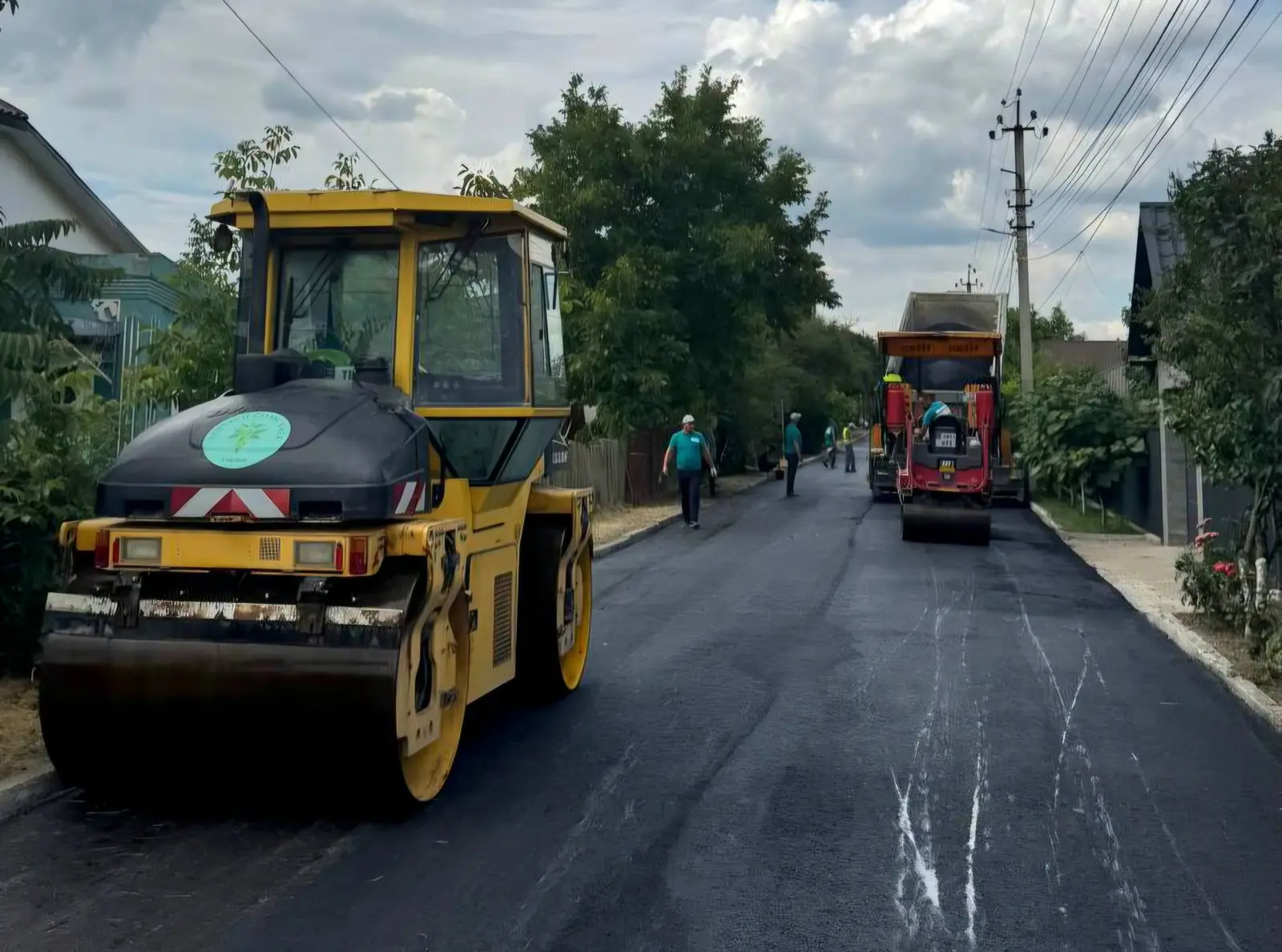
A yellow road roller and an asphalt paver work on a freshly paved street in a residential neighbourhood of Ungheni; workers and a dump truck in the distance, under a cloudy sky.
LOCAL

Two more streets paved in Ungheni Vale, „from the local budget”. One is on the 10-million-lei road list, funded by debt

Ungheni City Hall announced on Friday that it had paved two more streets in the Ungheni Vale neighbourhood — Arcașii lui Ștefan and Suceava, 850 metres, „from the City Hall budget”. One of them, Arcașii lui Ștefan, appears however on the list of roads that the Municipal Council approved in May to be modernised from the 10-million-lei loan raised through municipal bonds — money that the people of Ungheni will repay, with interest. The decision publishes only the total ceiling, not how much each street costs.

Ion Calmis·10 July 2026· News
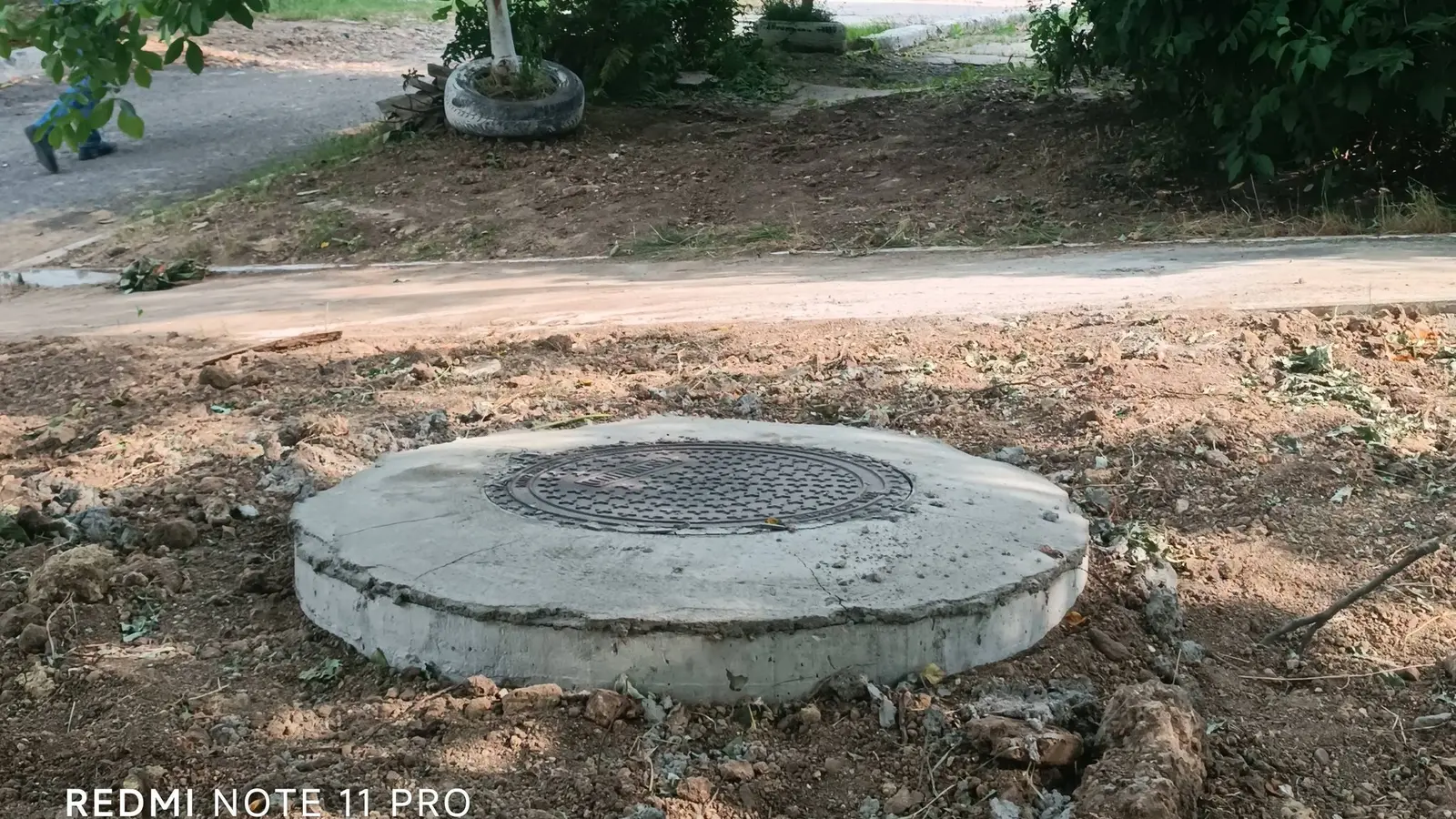
A newly cast concrete manhole with a cast-iron cover, installed at the edge of a street in Cornești, with freshly dug earth around it and a passer-by on a path in the background.
PUBLIC SERVICES

How Cornești ran water and sewer pipes under the R1 highway: directional drilling, no trench

The Cornești town hall says it has completed the extension of the water and sewerage network on Ștefan cel Mare Street — work that included running the pipes under the R1 Chișinău–Ungheni national road, at kilometre 77+215, by drilling without opening a trench or closing the highway. The town's network was built through the “Satul European” programme, and centralised sewerage — which Cornești has — remains the rare part of Moldova's infrastructure.

Ion Calmis·6 July 2026· News
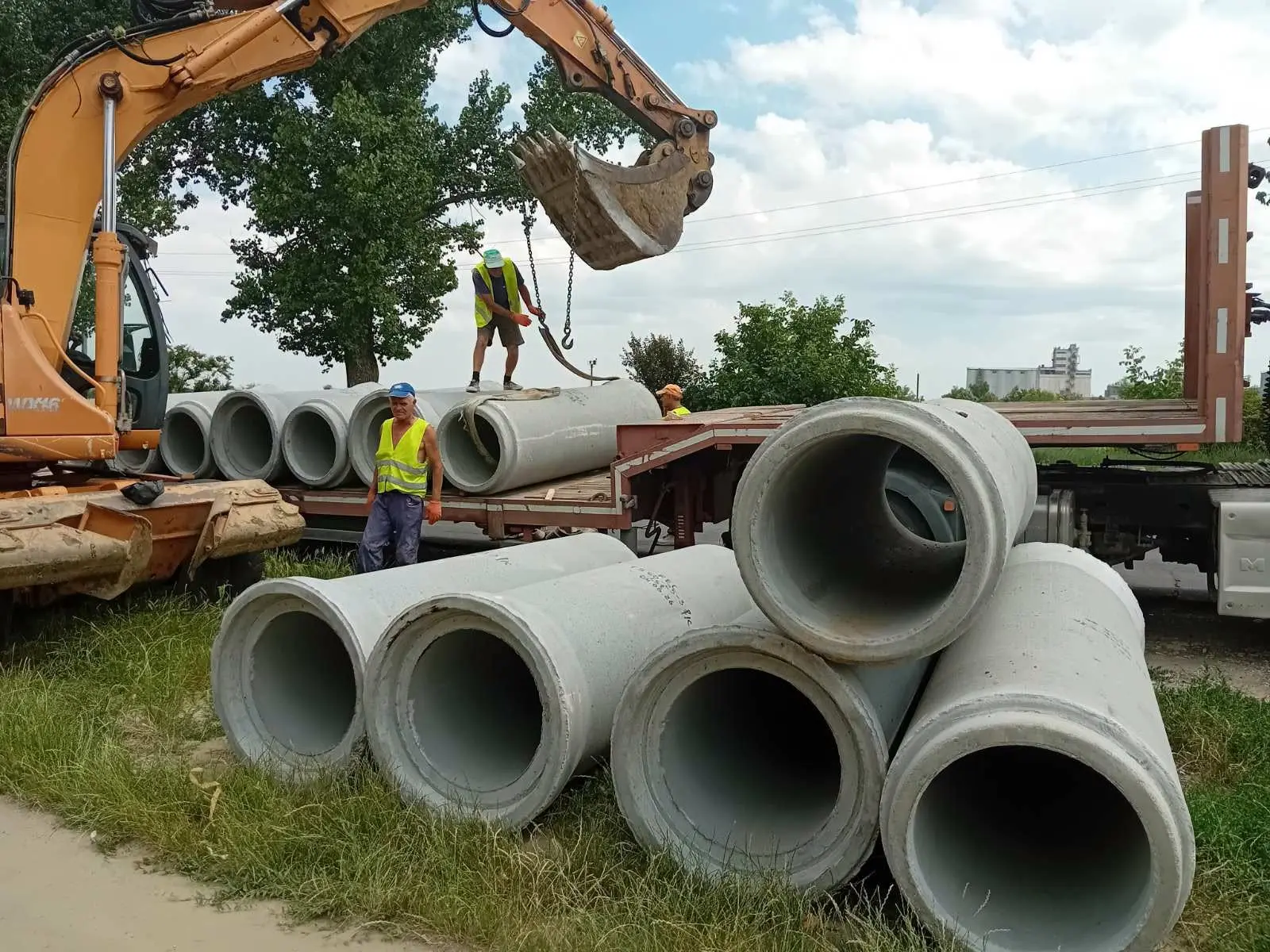
Workers in hi-vis vests and an excavator unload large concrete storm-drain pipes on the shoulder of a road outside town; a field and the silhouettes of industrial buildings in the background.
LOCAL

Pipes going in on Decebal: work has started on the road to the economic zone

Storm-drain work has begun on Decebal street in Ungheni — the first stage in rebuilding the 1,003-metre stretch leading to the free economic zone. Mayor Vitalie Vrabie visited the site on the morning of 3 July and pressed the contractor to pick up the pace, after asking it on 22 June to speed up the start. The total investment tops 25 million lei, and the works are promised for autumn.

Ion Calmis·3 July 2026· News
2/3 confirmed · DATA — pending· got a tip? write to us →
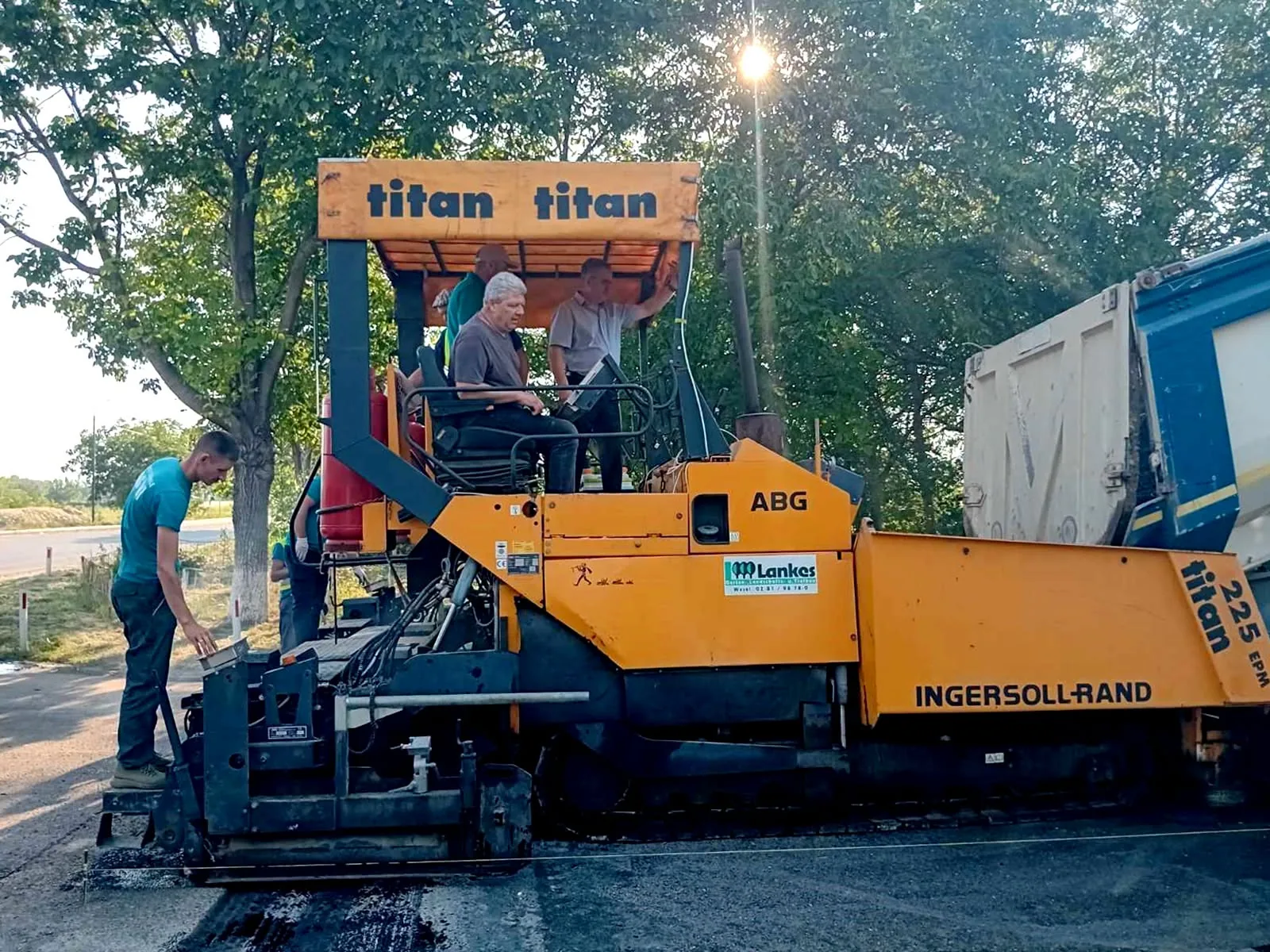
A yellow asphalt paver lays a fresh layer of asphalt on Burebista Street in Ungheni, with workers around it and a dump truck feeding the machine.
LOCAL

Burebista Street in Ungheni: paving begins on a second, 700-metre section, funded from the local budget

On the very day the 1 July deadline cited for the 10.3-million-lei project ran out, Mayor Vitalie Vrabie said the “Europe Is Close” works are continuing, while the city hall separately began paving a second section of Burebista Street — more than 700 metres between Petru Rareș and Zamfir Arbore, from the local budget. Arcașii lui Ștefan and Mihai Viteazul streets are next.

Ion Calmis·1 July 2026· News
2/3 confirmed · DOCUMENTS — searching· got a tip? write to us →
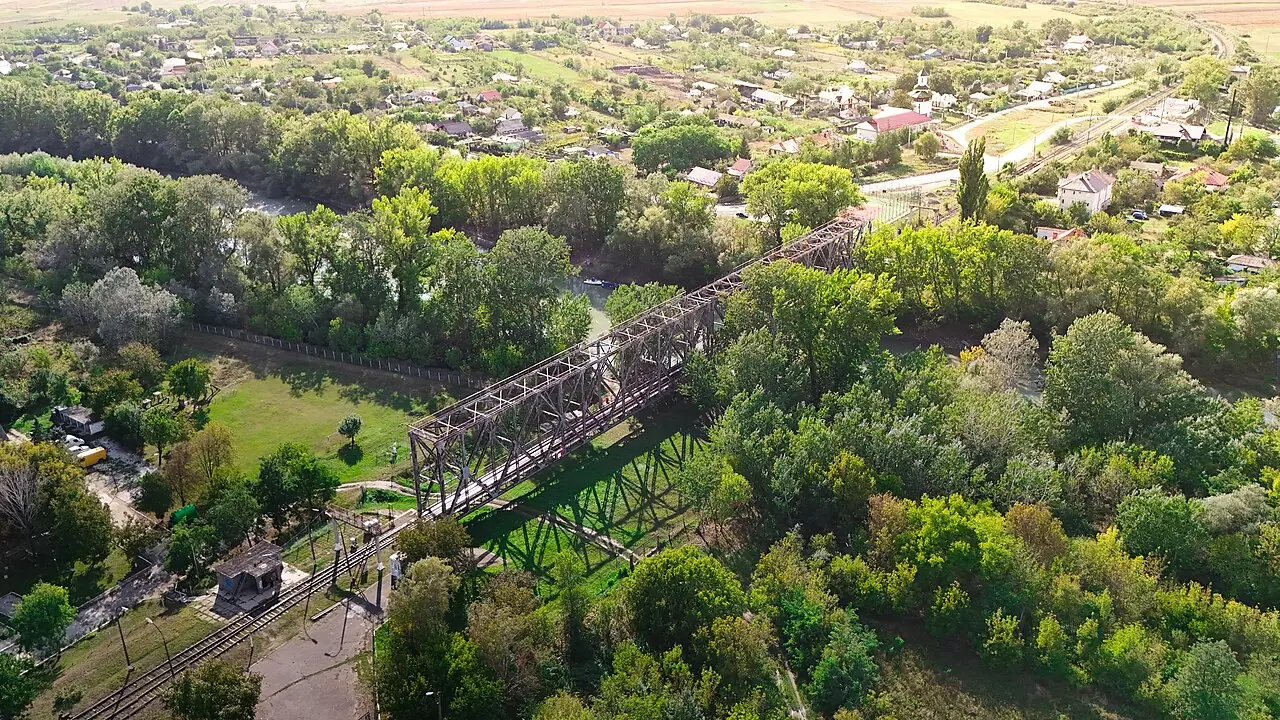
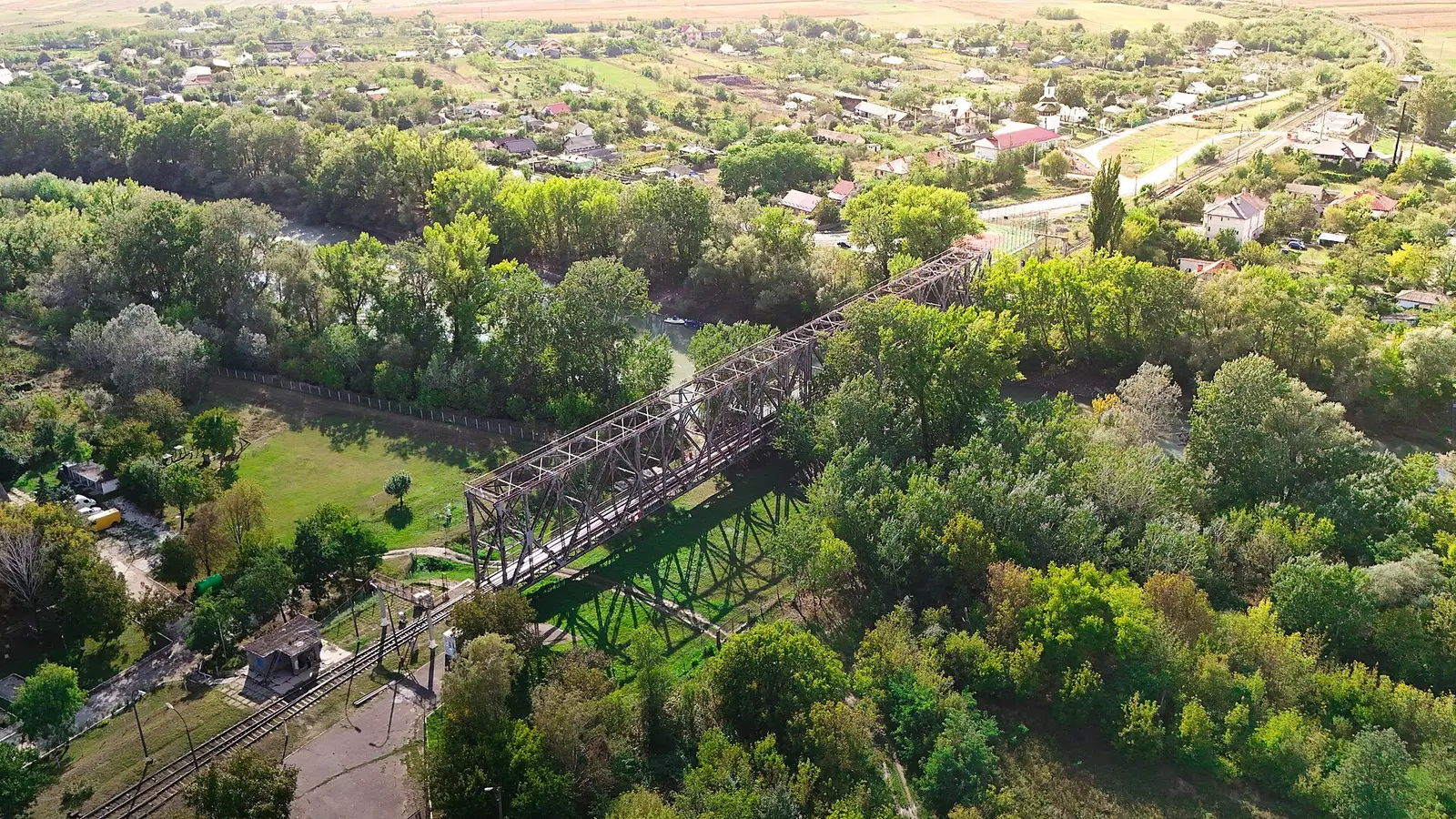
Aerial view of the metal railway bridge over the river Prut at Ungheni, with the rail line and the locality around it, in summer.
BORDER & TRANSPORT

The electrification of the railway to Ungheni has gone to tender: a contract of nearly 290 million lei, with bids due by 5 August

Romania's national railway (CFR) has published, in the Electronic Public Procurement System (SEAP), the notice for the design and construction of the electrification of the Iași–Border line — the concrete step our explainer a week ago flagged as the «next» one. The contract, estimated at 289.55 million lei excluding VAT, covers the Socola–Ungheni section and is the Romanian half of the joint project with the Republic of Moldova, which is to give Bessarabia its first kilometre of electrified railway — right through Ungheni. The deadline for bids: 5 August 2026.

Ion Calmis·30 June 2026· NewsWHAT'S AT STAKE
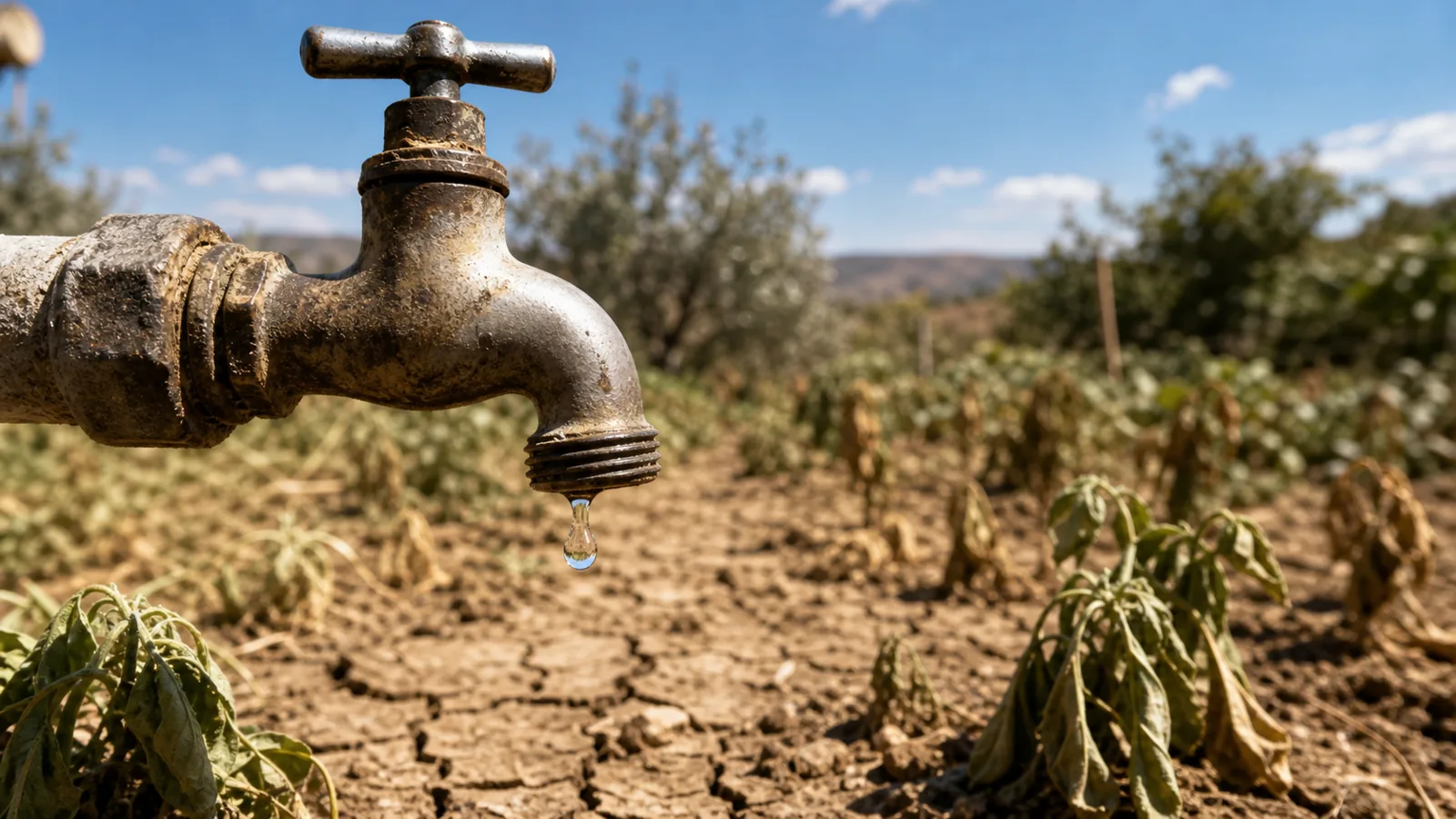
Illustration: a household tap with the last drop of water dripping out, against a dried-out garden under a strong summer sun, with no identifiable people.
LOCAL

Three hours of water a day across four sectors: Sculeni rations water amid the heatwave

At the peak of the heatwave, Sculeni commune’s City Hall and the “Servicom Sculeni” utility have put water on a ration. From Tuesday, 30 June, the village was split into four sectors, each getting water for only three hours a day, between 9.00 and 18.00. The reason, the authority says: huge consumption for watering gardens and irresponsible use of the network, which collapsed the pressure. Water trouble in Sculeni is not new — the council passed decisions on it in both 2024 and 2025.

Ion Calmis·29 June 2026· News
2/3 confirmed · DATA — pending· got a tip? write to us →
Aerial view of the steel railway bridge over the Prut River at Ungheni, with the railway track and the surrounding locality, in summer.
BORDER & TRANSPORT

The railway bridge over the Prut at Ungheni goes under technical assessment — a step toward Moldova's first electrified railway stretch

After Bucharest approved the electrification of the Iași–border line, the Moldovan side got to work: on 25 June, representatives of the Railway of Moldova met in Iași with their Romanian counterparts to coordinate the Iași–Ungheni line project. Among the agreed steps — the technical assessment of the bridge over the Prut, which is to be reconstructed, and preparing the systems for the future electrification, to European standards.

Ion Calmis·25 June 2026· News
1/3 · reporting underway· got a tip? write to us →
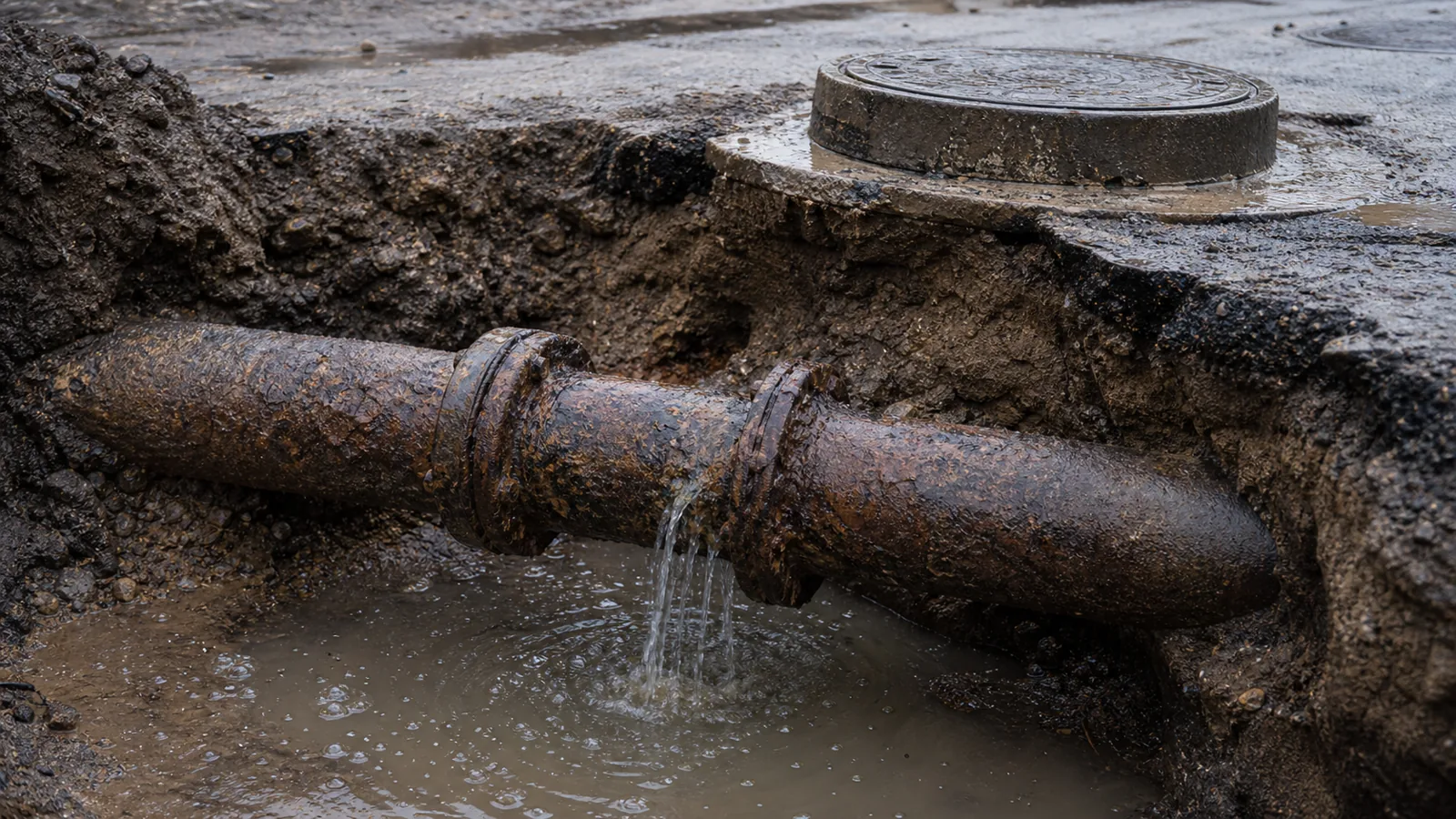
An old, rusty cast-iron water main dug up in a muddy trench in the middle of a street; water leaks from a joint, with a worn manhole cover nearby.
PUBLIC SERVICES

Ungheni's water is being modernised for tens of millions, yet it keeps breaking: 270 failures in a year on half-century-old pipes

Two outages in two days, on different streets, and the operator itself admits in the notice that „failures on the distribution network cannot be anticipated”. The explanation is in the figures: Ungheni municipality has about 139 kilometres of water pipes, more than 80% of them cast iron and steel aged 45–60 years, and in 2024 there were nearly 270 unplanned failures — around five a week. The big money invested in „Ungheni's water” (a project of about 32 million lei, plus European funds) went, however, to the source and to transport — the treatment plant, the trunk main, monitoring — not to replacing the pipes under the streets. That is why the water is both being modernised and constantly cut off.

Ion Calmis·25 June 2026· Explainer