CATEGORY

Local

218 articles
Silvia Zagoreanu, in a blue blouse, presents a report at a meeting table beside two members of the IGF Board of Directors; folklore sashes and insignia lie on the table.
LOCAL

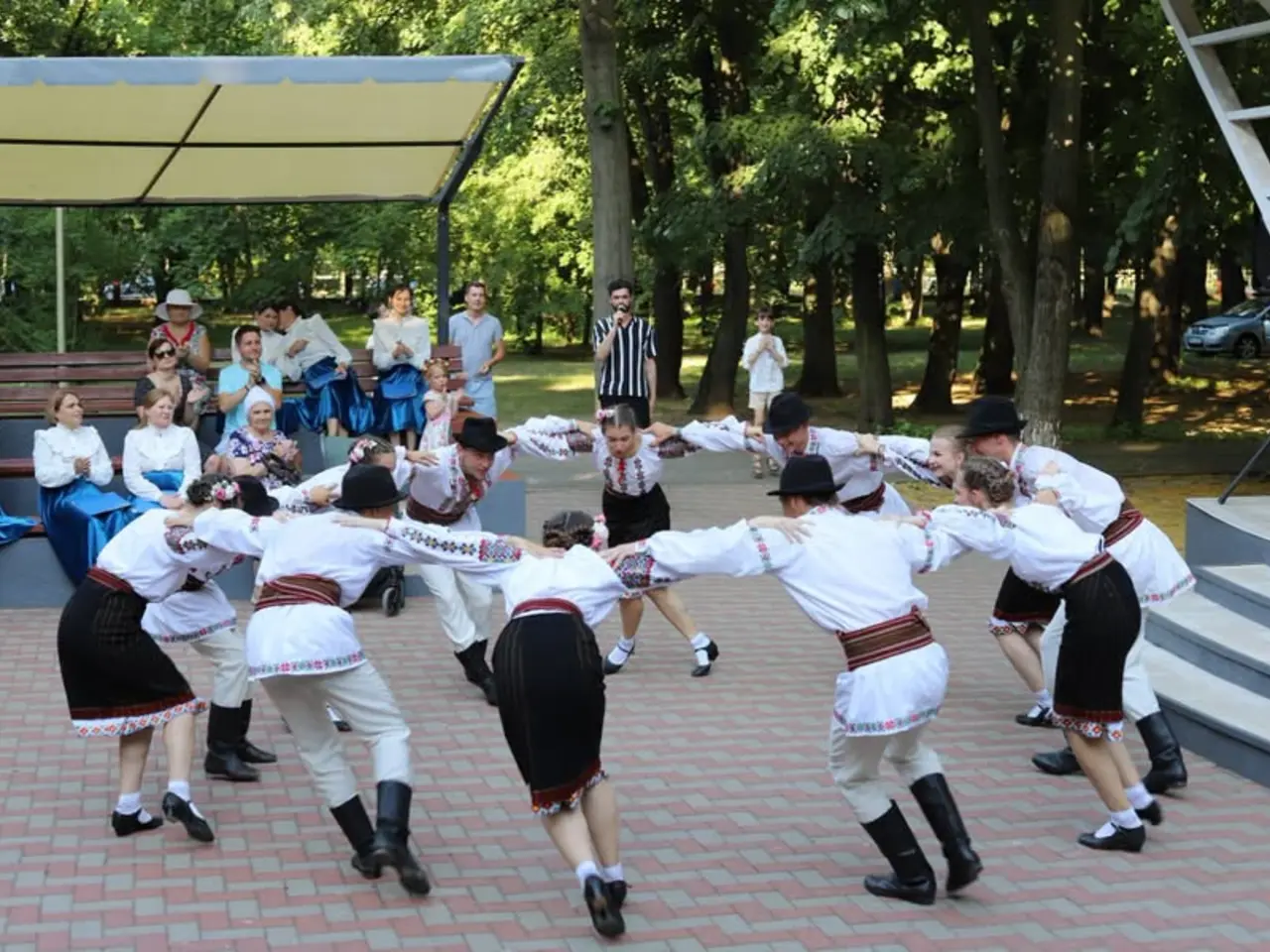
Ungheni twins with Izmit in Turkey and opens a world folklore office at its Palace of Culture

Quietly, Ungheni has climbed onto the map of cultural diplomacy: in May it hosted Moldova's first international caravan of the World Folklore Union (IGF), opened an office of the organisation at its Palace of Culture, and signed a twinning agreement with Izmit, a city in Turkey. Now the director of the Palace of Culture, Silvia Zagoreanu — Moldova's representative in IGF — has presented the results to the union's Board of Directors, meeting in Poland.

Ion Calmis·27 June 2026· Explainer
2/3 confirmed · DATA — pending· got a tip? write to us →
An urban plan unrolled on a table, with differently coloured zones for housing, commerce and green space, against the silhouette of a small town. Symbolic image.
LOCAL

Two zoning plans change what can be built on Romană 35 and Alexandru cel Bun 30, in central Ungheni

On Friday, 26 June, the Ungheni Municipal Council met in session, and Mayor Vitalie Vrabie publicly stated an urban-planning credo — the city should not be built up „on every vacant lot”, and residential, commercial and recreational zones must be clearly delimited. Behind the message stand two Zonal Urban Plans (PUZ) that have just gone through public consultations and touch exactly that subject — what and how gets built on individual plots downtown: Romană 35 (which amends the general plan at the level of UTR 11) and six parcels on Alexandru cel Bun 30 (UTR 10), documents drawn up by private design firms. A PUZ is the instrument that rewrites, plot by plot, a city's building rules — which is why the word „delimitation” weighs more than it seems.

Ion Calmis·26 June 2026· Explainer
2/3 confirmed · DATA — pending· got a tip? write to us →
A damaged street surveillance camera with a cracked casing, tilted on a pole next to a bus shelter in evening light. Symbolic image.
LOCAL

Two minors smashed a CCTV camera at a bus stop in Ungheni. The bill falls mostly on the parents, plus a fine of up to 900 lei

Ungheni City Hall made public a case from the evening of 9 May, at the bus stop on Bernardazzi Street 10 — two minors allegedly smashed a surveillance camera, were identified from the footage, and the file was sent to the police. Beyond the institution's message of accountability, the practical question is another: who pays for the damage? The law is clear — repairing public property damaged by a child falls, under civil law, on the parents regardless of age, while damaging property is, at this value, an offence carrying a 900–1,800 lei fine, not a crime. On top of that, a parent can be fined separately for failure to supervise.

Ion Calmis·26 June 2026· Explainer
2/3 confirmed · DATA — pending· got a tip? write to us →
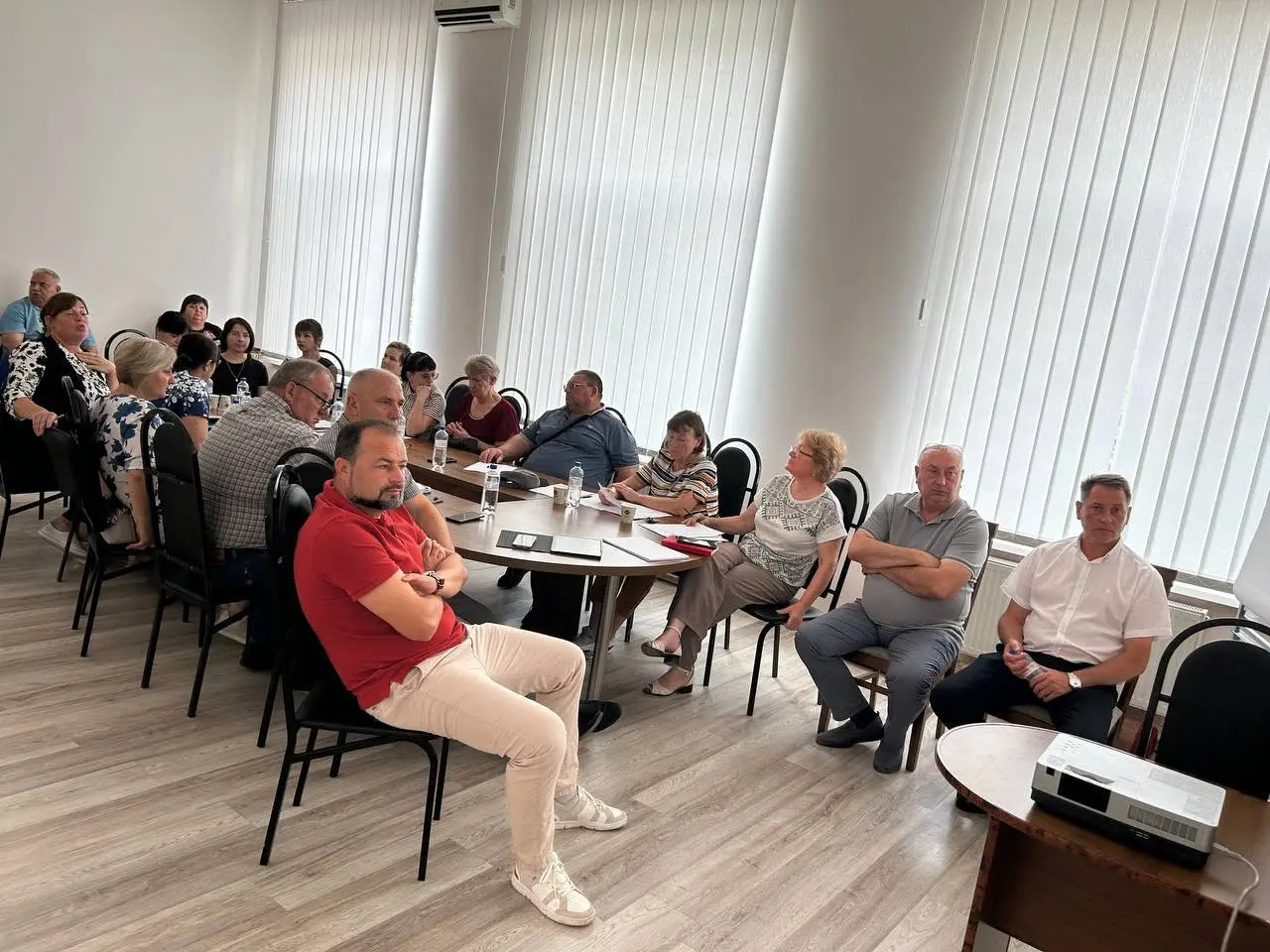
A participant speaks while standing at the PLASTICWISE technical workshop in the meeting room of the Ungheni District Council, with other participants seated around a table and project materials in front of them.
LOCAL

More than 40,000 people in Ungheni drink water from the Prut. A Romania–Moldova project has started looking for microplastics in the river, and the workshop was held in Ungheni itself

PLASTICWISE, a cross-border project funded by the European Union, is monitoring plastic pollution in the Prut — the river from which the town of Ungheni draws its drinking water. On 25 June, partners from Romania and Moldova met at the Ungheni District Council and went down to the bank of the Prut, by «Micul Cluj» Park. The measurement results are not yet public — the study is still under way. And how dangerous microplastics in drinking water really are remains, according to the World Health Organization, a question without a final answer.

Ion Calmis·26 June 2026· Explainer
Ungheni mayor Vitalie Vrabie shows an album of the town to Germany's ambassador, Hubert Knirsch, in the mayor's office
LOCAL

Germany's ambassador in Ungheni: €2.9 million for water is German money, but Mihai Eminescu Lyceum is EU-funded

Germany's ambassador, Hubert Knirsch, paid a working visit to Ungheni on 25 June, where Mayor Vitalie Vrabie credited 'German support through GIZ' for the water network, the Mihai Eminescu Lyceum and a socio-medical centre. The real picture is more nuanced: some projects are direct German money — €2.9 million in the first water-and-sewage phase alone, plus a day-care centre opened in 2025 — while others are EU funds that the German agency GIZ merely implemented. The two sides agreed to meet again, this time on inter-municipal public services.

Ion Calmis·26 June 2026· News
A group of people at the AlgaVet veterinary clinic in Ungheni, in front of an ALGA banner, holding a plaque «German Cooperation — Supported by the German Embassy» and a small Moldovan flag; two of them hold puppies.
LOCAL

50 community cats in Ungheni will be neutered with German support — in a district hit by rabies

At AlgaVet Ungheni — the social clinic of the ALGA association — a partnership with the German Embassy was signed on 25 June: medical equipment, training for young vets, and the neutering of 50 of the town's community cats. It looks like a small gesture, but it touches a real public-health problem: in 2025, Ungheni district was the country's second by number of rabies cases, and the authorities link the risk directly to stray animals.

Ion Calmis·25 June 2026· News
2/3 confirmed · PEOPLE — pending· got a tip? write to us →
Illustration: an elderly person's hands holding a phone showing an incoming call from an unknown number, in a modest interior — a suggestion of phone fraud.
LOCAL

«You're being investigated by the SIS!»: an Ungheni woman lost 229,000 lei, and police caught two couriers at the second drop

A 53-year-old woman from Ungheni was manipulated over the phone through a three-step scheme — a code received by SMS, a fake bank employee, then a fake representative of the Information and Security Service threatening her with arrest. She handed over 229,000 lei. As the second instalment, of 220,000 lei, was being delivered, police intervened and caught two couriers red-handed. The case, described by the Ungheni Police Inspectorate, is the third of its kind we have documented in under a month.

Ion Calmis·25 June 2026· News
2/3 confirmed · PEOPLE — pending· got a tip? write to us →
Illustration: diverse hands building together, on a table, a model of a community cultural space — a symbol of European-funded co-creation; warm tones, no identifiable faces.
LOCAL

Who in Ungheni can get EU money for culture? Two calls close on 20 July

Ungheni District Council has announced two funding calls under the European programme EU4Culture II — a €10 million programme, funded by the EU and implemented by the Goethe-Institut, that also covers the Republic of Moldova. The application deadline is 20 July 2026. In the programme's first edition, only Cahul and Orhei won from Moldova; Ungheni was not among them — even though the town already has a cultural scene watered by European money.

Ion Calmis·25 June 2026· Explainer
2/3 confirmed · PEOPLE — pending· got a tip? write to us →
A sports court under construction: blue and red rubber tiles laid over a gravel layer, two workers and a project board with the Ungheni District Council logo, a building in the background.
LOCAL

At Ungheni's former boarding school, pickleball and badminton courts are taking shape — after €50,000 from Maramureș

Ungheni District Council is building a sports facility in the yard of the town's former boarding school, at the Educational Centre. After the mini-football pitch built in 2024 with €50,000 from the Maramureș County Council — now used in the 'Prietenia' summer camp — badminton and pickleball courts are 'in the final stretch.' A construction-site board indicates a value of about 1.77 million lei for this stage.

Ion Calmis·25 June 2026· News
2/3 confirmed · DATA — pending· got a tip? write to us →