TAG

#heritage

5 articles
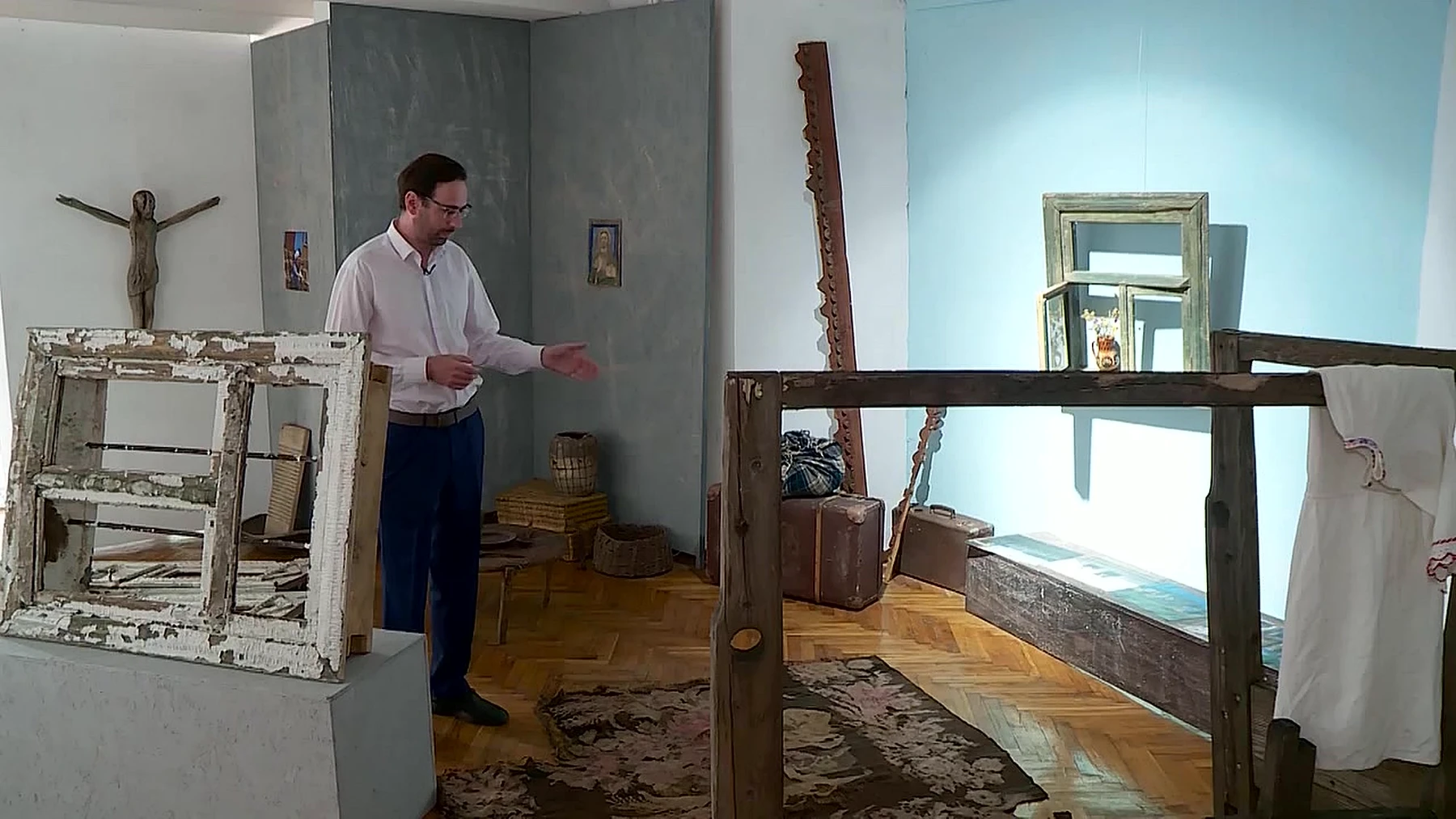
A museum room with a reconstructed traditional house interior: on the left, an old wooden window with flaking paint set on a plinth; in the centre, a man in a white shirt points towards the exhibits; in the background, a wooden weaving loom, an embroidered shirt, an old rug on the parquet floor and a carved crucifix on the wall.
LOCAL

Ungheni has 18 residential buildings left from before 1919. From a house demolished in Dănuțeni, the museum saved the carved window

A museum curator happened to walk past a house being demolished in the Dănuțeni district and called his colleagues to pull out of the rubble whatever could still be saved: a solid wood window carved on three registers, a gable with a solar rosette. The pieces are now on display at the Museum of History and Ethnography. The house was not a listed monument — nor could it have been: in the state register, the Ungheni district's list occupies positions 1573 to 1720, and not one dwelling house appears in it. The 2024 census shows how much is left of the town's old layer: 18 residential buildings erected before 1919, out of nearly 5,000.

Ion Calmis·22 July 2026· News
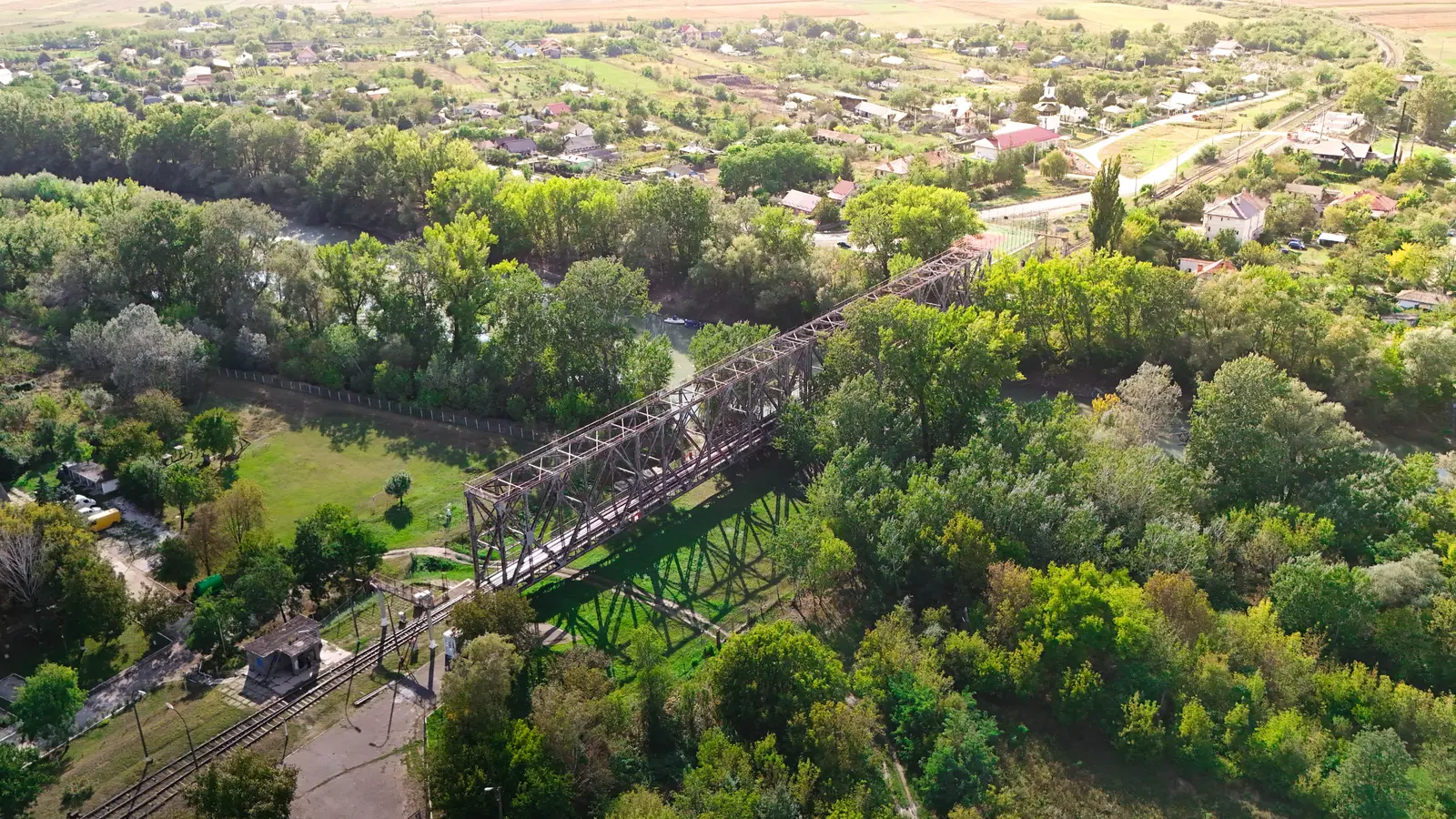
The „Eiffel” railway bridge over the Prut river at Ungheni, its metal arched structure reflected in the water.
LOCAL

17 stops, guided and by booking: Ungheni launches its first walking tour of the city

The Ungheni Tourist Information Centre has officially launched its first guided walking route through the city — 17 stops at cultural, historical, architectural and spiritual landmarks, from the „Eiffel” bridge over the Prut to the cathedral. The tour lasts 1.5–2 hours, is guided, runs Tuesday to Sunday from 10:00 to 18:00, and requires a prior booking.

Ion Calmis·2 July 2026· News
2/3 confirmed · PEOPLE — pending· got a tip? write to us →
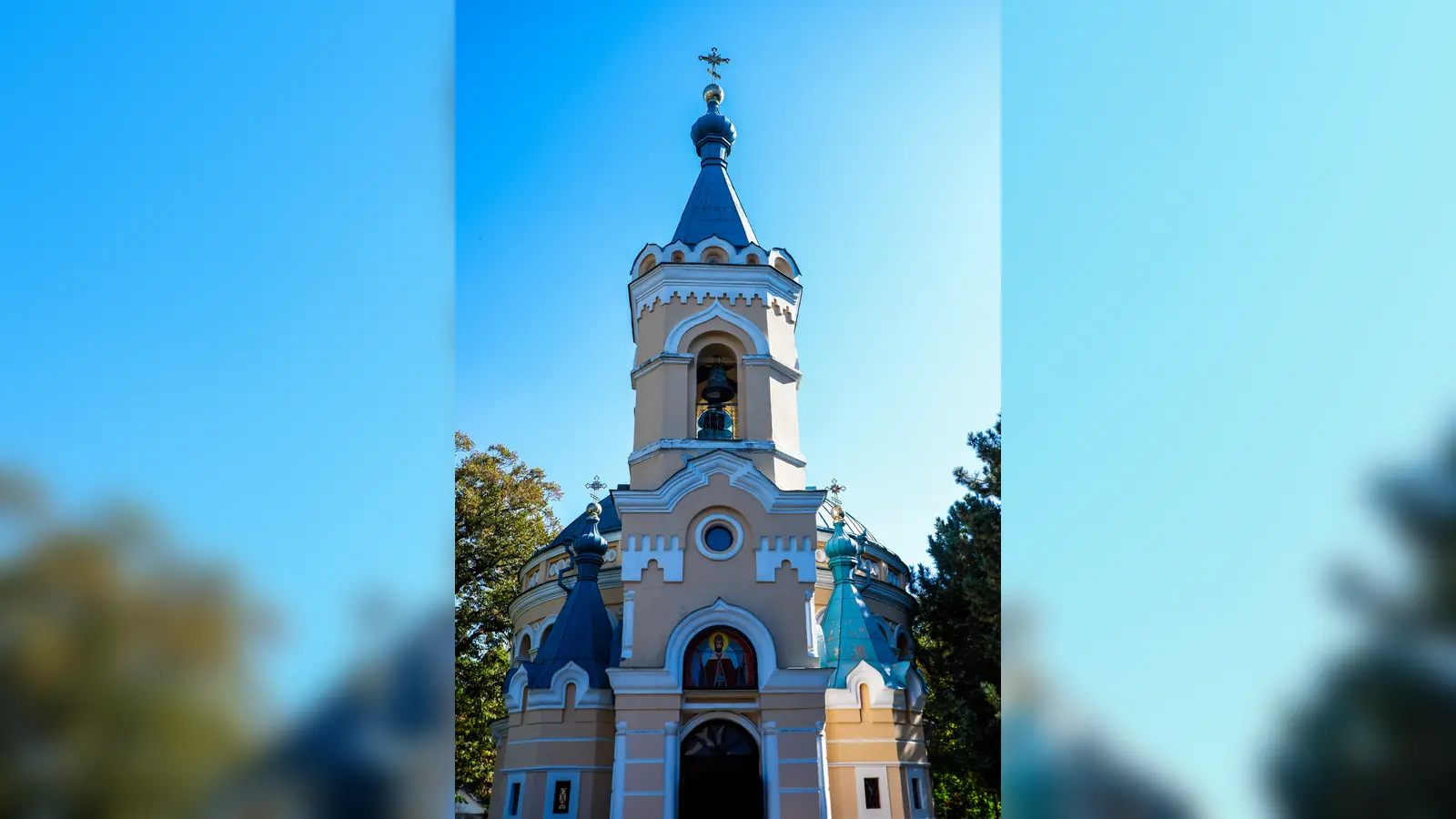
The “St. Alexander Nevsky” Cathedral in Ungheni, in Byzantine-Russian style: a bell tower with an onion dome and cross, the patron icon above the entrance, blue and green domes, cream walls framed by trees against a clear sky.
LOCAL

The man who gave Ungheni its “St. Alexander Nevsky” Cathedral: 195 years since the birth of architect Alexander Bernardazzi

Today, 2 July, marks 195 years since the birth of Alexander Bernardazzi — Chișinău's chief architect in the second half of the 19th century and the author of dozens of landmark buildings, who designed and gifted the people of Ungheni the plan for the “St. Alexander Nevsky” Cathedral, built in 1903–1905 and now an episcopal cathedral. A street in the Tineretului district has borne his name since 2005. A bonus: the story comes with a correction — Bernardazzi was not born in Saint Petersburg, as often stated, but in Pyatigorsk, in the Caucasus — and a curiosity: that same street once carried the name of another great Bessarabian architect.

Ion Calmis·2 July 2026· ExplainerWHAT'S AT STAKE
2/3 confirmed · DATA — pending· got a tip? write to us →
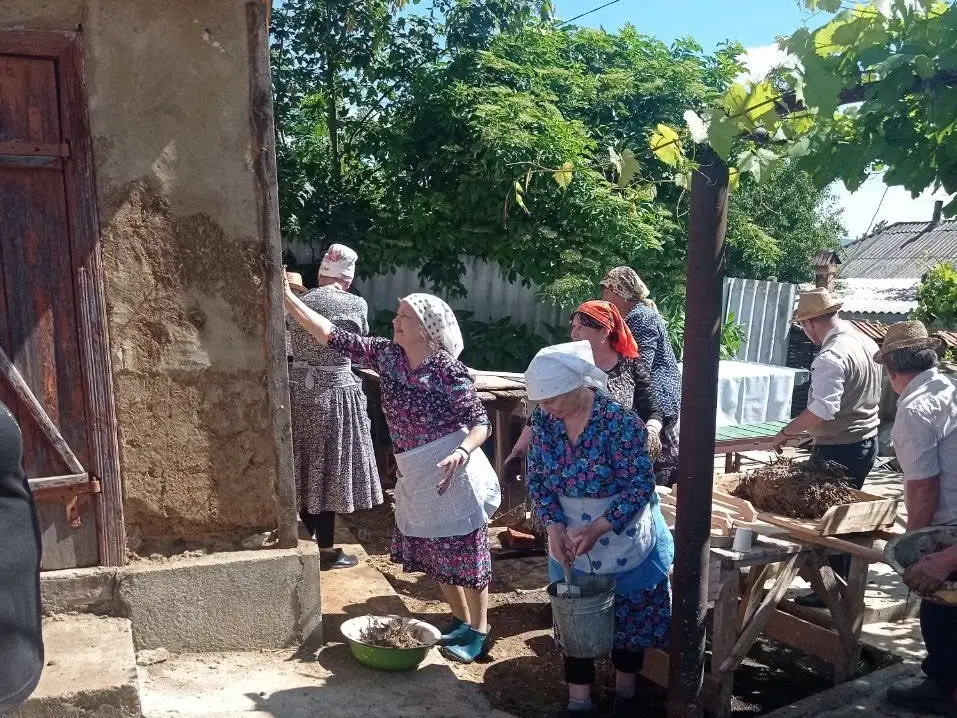
Women in traditional aprons and headscarves plaster the wall of an old house with clay, buckets and a basin of mortar beside them, in the green museum yard
LOCAL

In Florițoaia Veche, villagers mud-plastered the wall of the „La Prispa lui Vasile” museum — a clacă like their grandparents'

On 13 June, in the yard of the „La Prispa lui Vasile” house-museum in Florițoaia Veche, villagers mixed clay with straw and plastered the wall of a museum annex the old way. A clacă — the communal, voluntary work-bee of the past — organised by the Ungheni Culture Section, the „Țărăncuța” folk ensemble and the local town hall. In a district that has shrunk by almost a quarter in a decade, a village museum keeping tradition alive carries particular weight.

Ion Calmis·19 June 2026· News
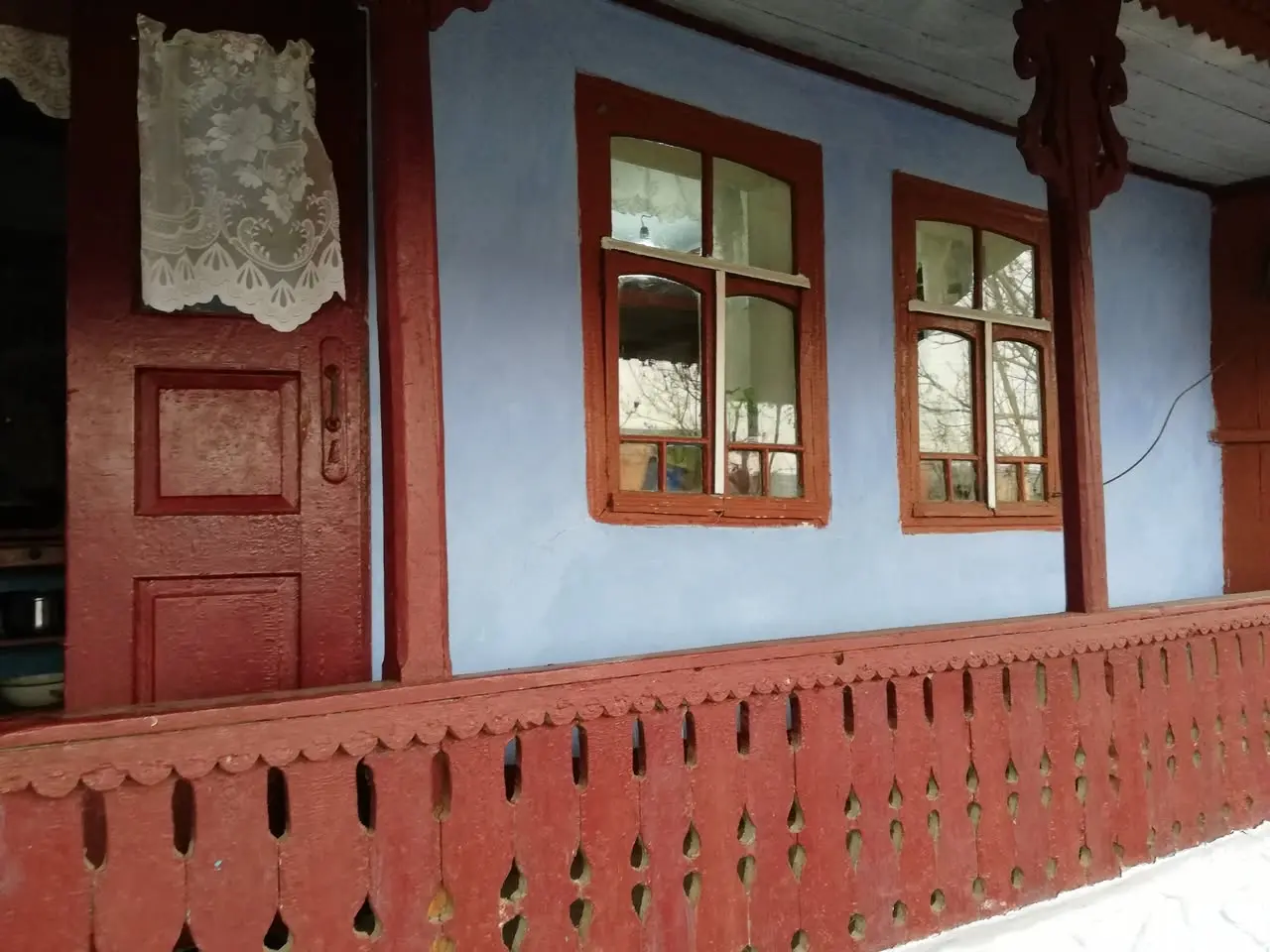
The porch of a traditional peasant house in Florițoaia Nouă: a carved wooden balustrade painted red, wooden pillars and door, a wall lime-washed in blue, windows with red frames and lace curtains.
LOCAL

What is lost when a village empties: a living peasant house in Florițoaia Nouă

The Culture Section published a few photographs from a peasant house kept intact in Florițoaia Nouă, in the Ungheni district — a porch with carved wooden pillars, a rail hung with woven cloths, an icon in the corner, a bread oven. It looks like a pretty gallery. Read with an ethnographer's eye, it is more: a grammar of how Moldovans once lived, kept alive by a single person, at a time when villages are emptying and houses are left without owners.

Ion Calmis·17 June 2026· Explainer