
TAG

#memory

6 articles
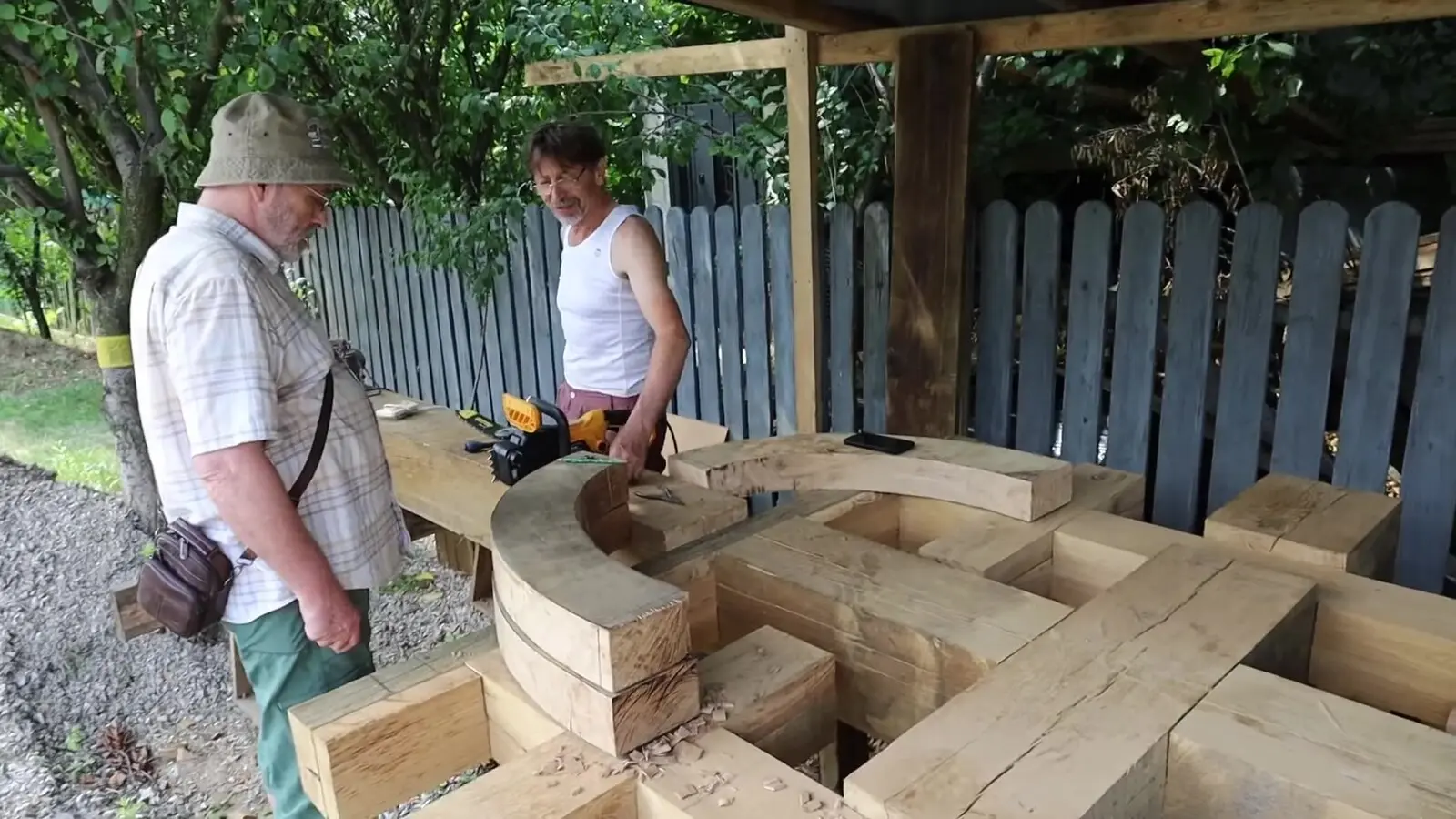
Two craftsmen work on a massive structure of oak beams in a yard with a shed and a blue fence — the troiță under construction in Valea Mare.
LOCAL

Valea Mare village carves an oak troiță of memory for its war heroes and deportees

In the commune of Valea Mare, Ungheni district, local craftsmen are carving a public troiță — a wayside memorial cross — out of oak beams, dedicated to the villagers who fell in the two world wars and to those deported in 1941 and 1949. The monument began with an October 2024 decision of the communal council and is paid for from the local budget. The work is still in progress, but several answers are missing: how much it costs, when it will be finished and the final form of the dedication — the town hall has not made them public.

Ion Calmis·6 July 2026· News
2/3 confirmed · PEOPLE — pending· got a tip? write to us →
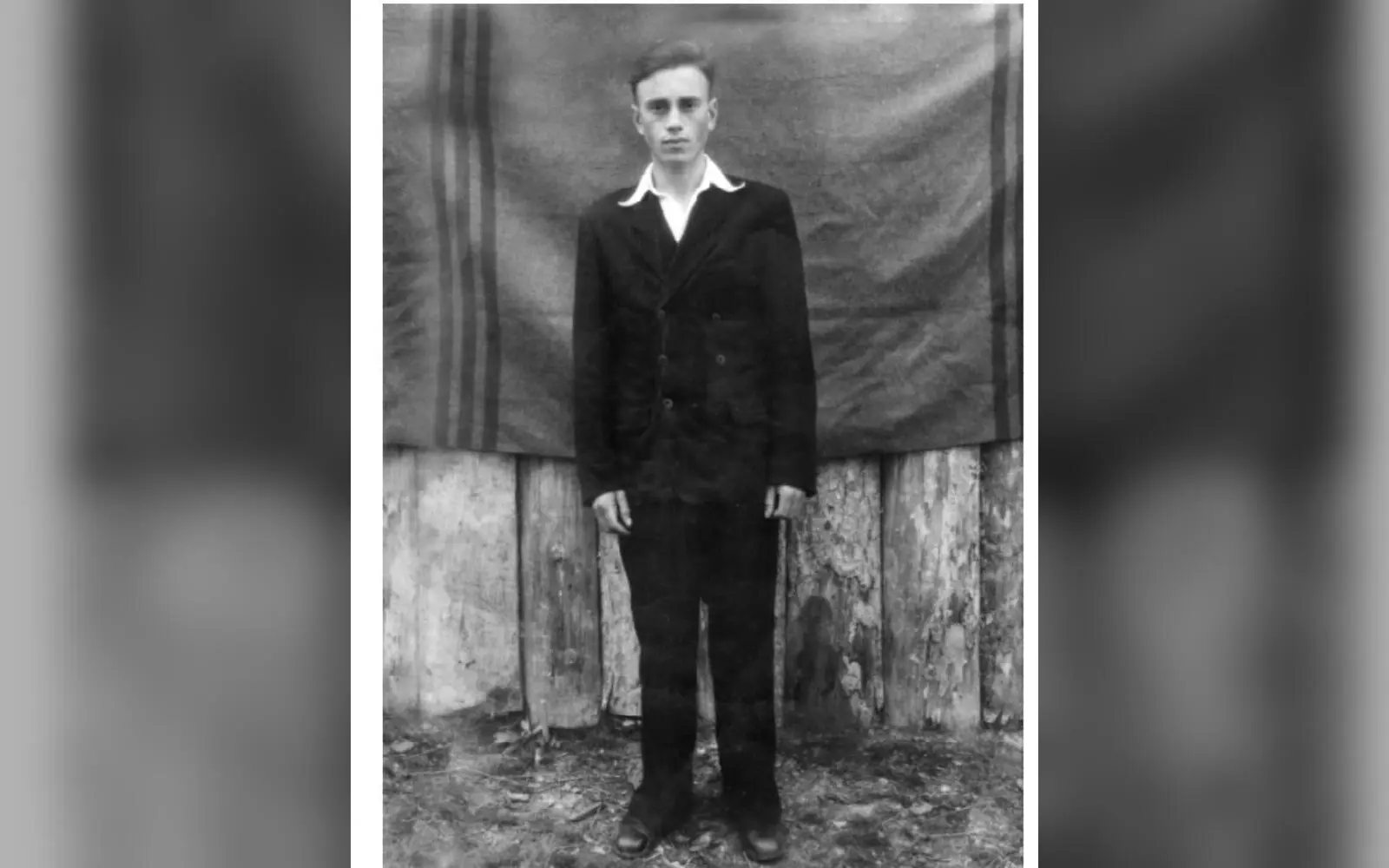
Black-and-white archival photograph: a young man in a dark suit and white shirt standing before a wooden wall — Teodor Șișcanu of Măcărești, deported in 1949 to the Irkutsk region.
LOCAL

“The Book of Memory” preserves the face of Teodor Șișcanu, deported from Măcărești to Irkutsk in 1949

In the summer of 1949, the Soviet regime seized an entire family from the village of Măcărești and sent it more than 5,000 kilometres away, to the Irkutsk region. One of the deported children, Teodor Șișcanu, survives in an archival photograph published in The Book of Memory (Cartea Memoriei) — the official catalogue of the victims of totalitarianism. In the Ungheni district, the catalogue gathers around 2,900 names, and for those seized in 1949 the collective “address” had a single name — Irkutsk.

Ion Calmis·6 July 2026· Explainer
2/3 confirmed · PEOPLE — pending· got a tip? write to us →
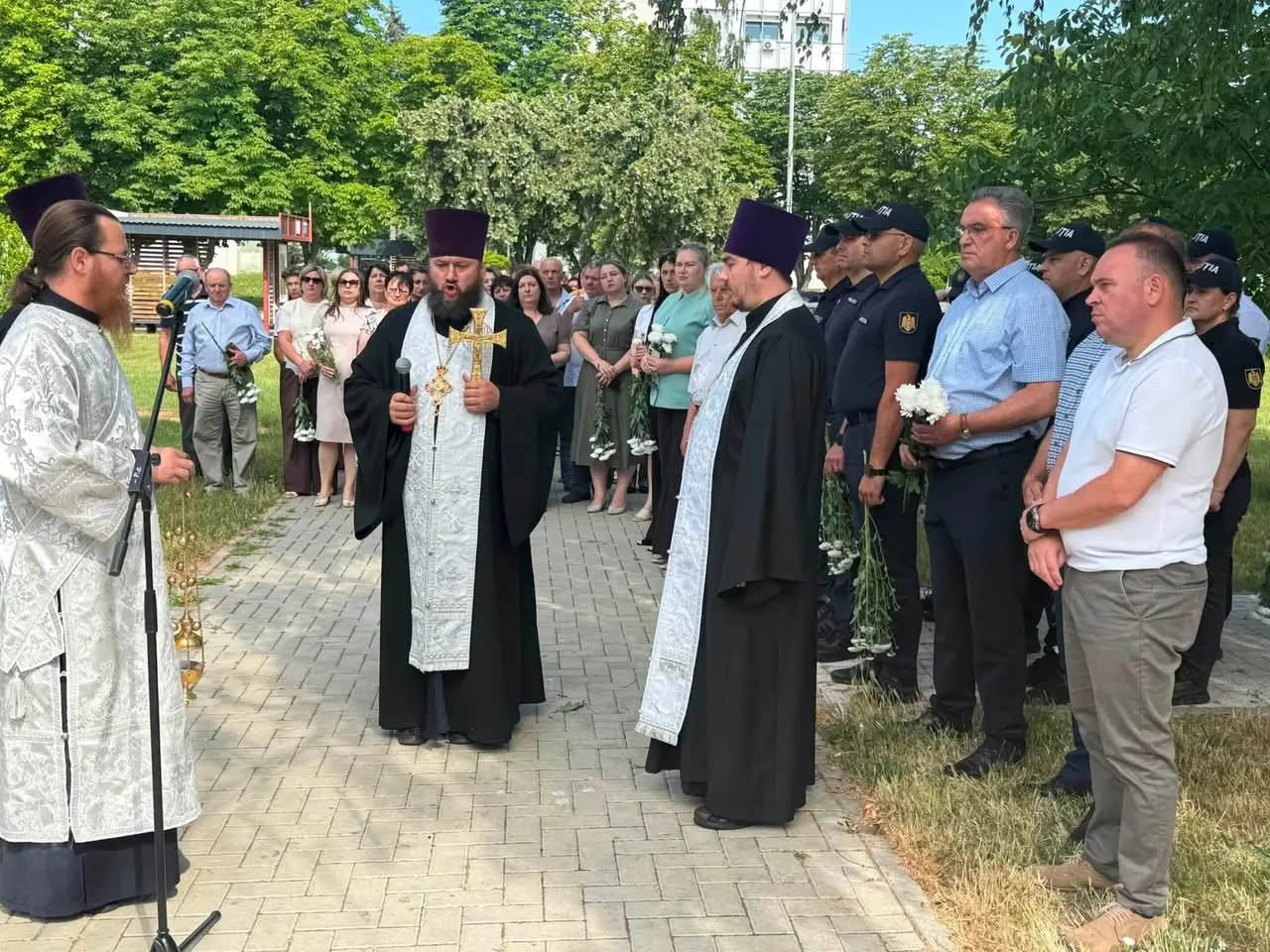
Memorial service at the Martyrs' Cross of the Nation in Ungheni: priests, people holding white flowers and police officers at the ceremony for victims of Stalinist deportations.
LOCAL

At the Martyrs' Cross, Ungheni residents mourned the victims of Stalinist deportations

On Monday, 6 July, marking 77 years since the largest wave of deportations, dozens of Ungheni residents gathered at the Martyrs' Cross of the Nation, white flowers in hand. A memorial service, a moment of silence and a monologue about a night that has not ended yet. District council head Dionisie Ternovschi called keeping the memory alive a moral duty of every generation.

Ion Calmis·6 July 2026· News
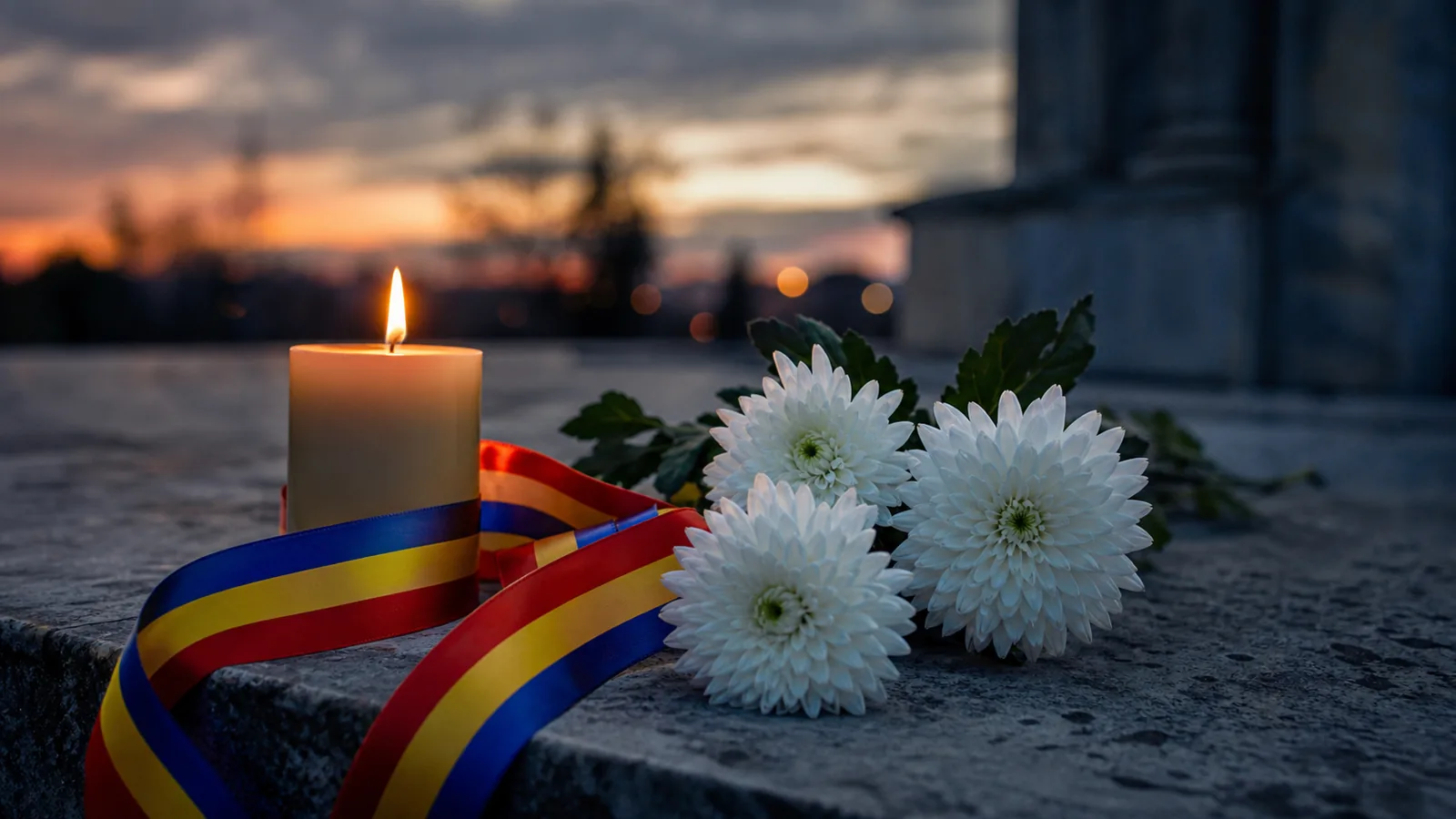
A lit candle and a tricolour ribbon on a monument's stone at dusk — a symbol of remembrance for those who fell in the War of the Dniester.
LOCAL

Four names on the monument, nine on the state list: the sons of the Ungheni district who fell on the Dniester in 1992

Thirty-four years after the June 1992 battles, the national commemoration of those who fell in the War of the Dniester can be read on the map of the Ungheni district too. At the monument, the town remembers four names, but the official state list — the “Book of Memory” — shows at least nine men born in the district who died that year, many of them at Tighina, in the very June days now being commemorated. Triunghi.md recovered their names, villages and where they fell.

Ion Calmis·22 June 2026· Explainer
2/3 confirmed · DATA — pending· got a tip? write to us →
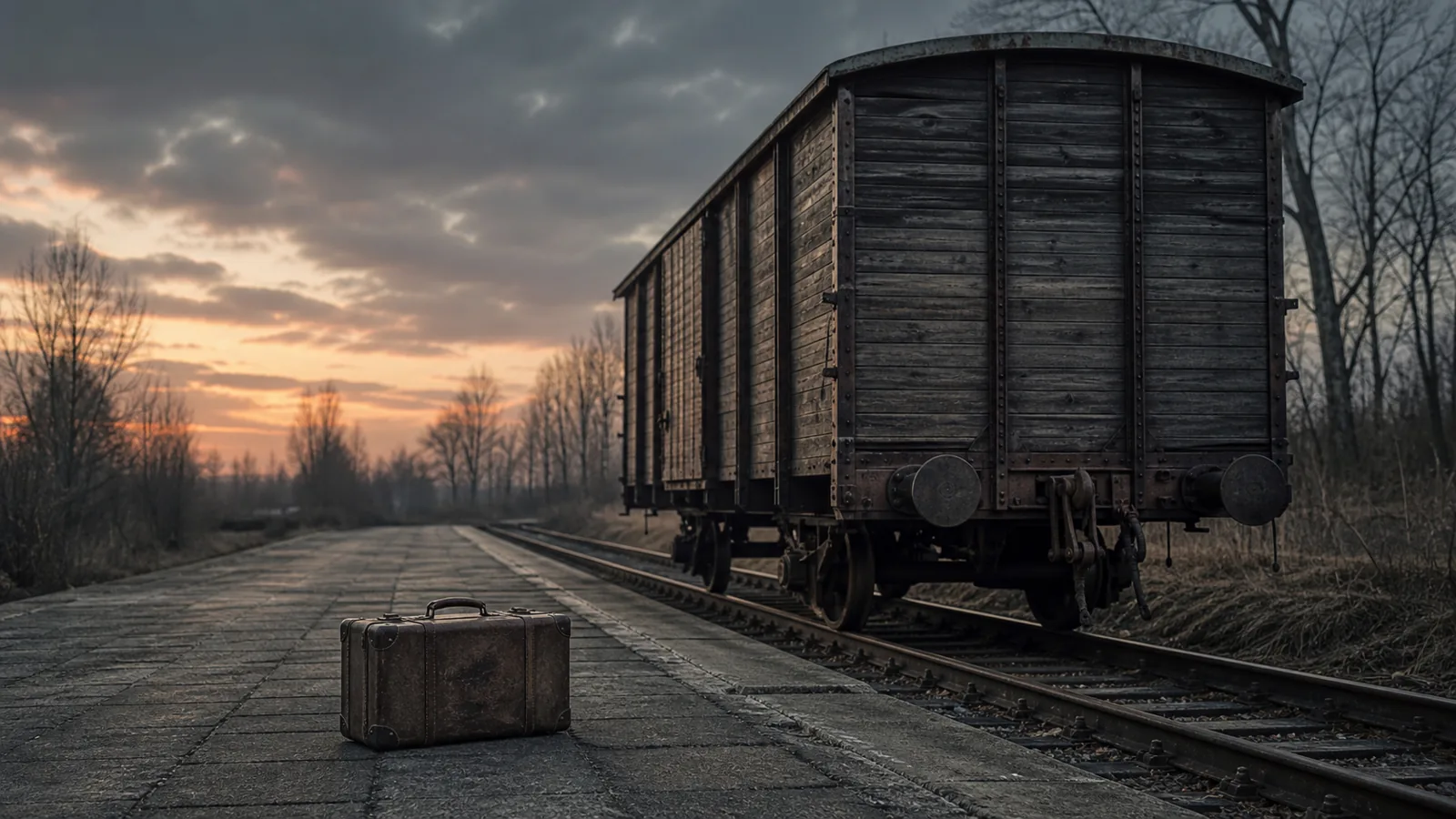
An old wooden freight wagon on rusty tracks at dusk, with a worn suitcase on the empty platform.
NATIONAL

The state compensates assets confiscated by the Soviet regime. In Ungheni, the memory of the deportations counts thousands of names

The Government has allocated over 1.8 million lei to compensate six people whose assets the communist regime confiscated. The sum is small, but it opens a door to a vast and unfinished reckoning: in the Ungheni district alone, the official catalogue of the victims of totalitarianism gathers thousands of names, from more than 60 localities. The law gives victims and heirs the right to compensation — but how many actually claim it?

Ion Calmis·17 June 2026· ExplainerWHAT'S AT STAKE
2/3 confirmed · DATA — pending· got a tip? write to us →