TAG

#environment

4 articles
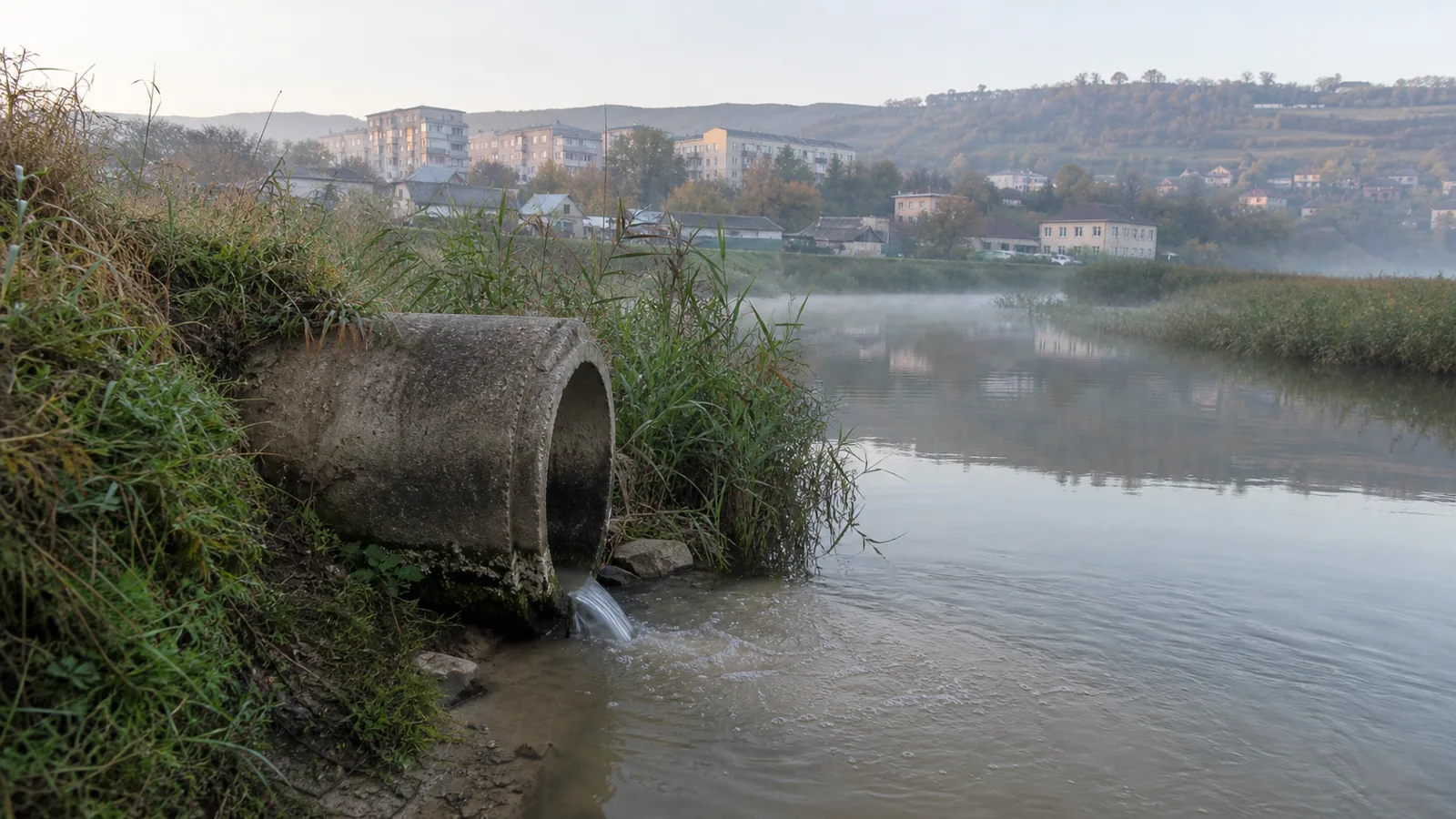
Illustration: an outfall pipe releases water into a calm river on the edge of a small town, in morning light; no people in the frame.
PUBLIC SERVICES

Ungheni drinks from the Prut and sends its wastewater into the same river. The town hall has called in the environmental scientists of USM

On 8 July, the town hall of Ungheni signed an agreement with the Institute of Ecology and Geography of the State University of Moldova, on wastewater, ecosystem services and ecological infrastructure. The stake is concrete: the town takes its drinking water from the Prut — for more than 40,000 people — and discharges its wastewater into the basin of the same Prut, through a treatment plant that, according to the town hall's own 2018 strategy, was running on the mechanical stage only. The USM researchers called to Ungheni are precisely the ones who measure how much such a plant degrades the river downstream.

Ion Calmis·9 July 2026· Explainer
2/3 confirmed · PEOPLE — pending· got a tip? write to us →
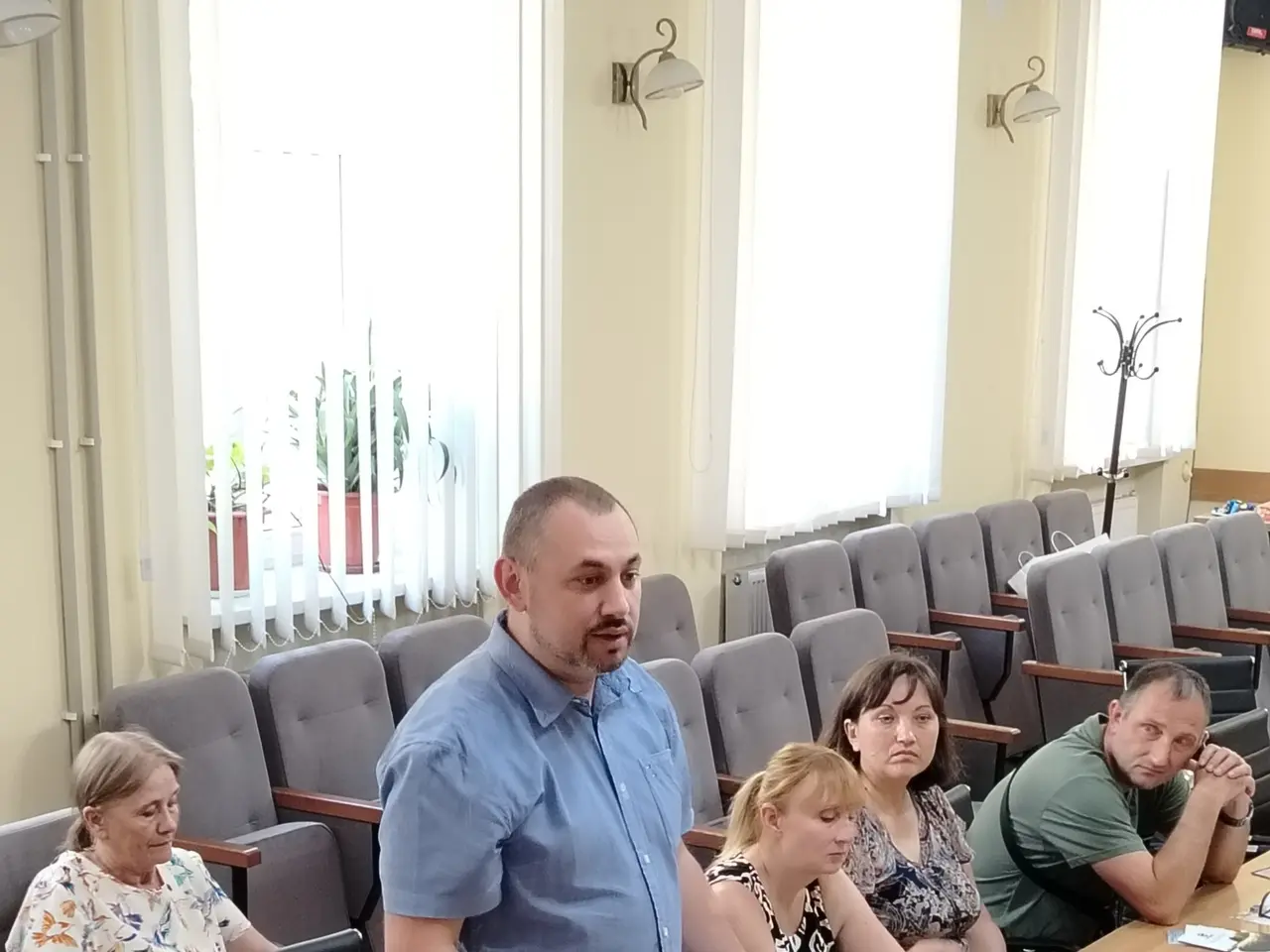
A participant speaks while standing at the PLASTICWISE technical workshop in the meeting room of the Ungheni District Council, with other participants seated around a table and project materials in front of them.
LOCAL

More than 40,000 people in Ungheni drink water from the Prut. A Romania–Moldova project has started looking for microplastics in the river, and the workshop was held in Ungheni itself

PLASTICWISE, a cross-border project funded by the European Union, is monitoring plastic pollution in the Prut — the river from which the town of Ungheni draws its drinking water. On 25 June, partners from Romania and Moldova met at the Ungheni District Council and went down to the bank of the Prut, by «Micul Cluj» Park. The measurement results are not yet public — the study is still under way. And how dangerous microplastics in drinking water really are remains, according to the World Health Organization, a question without a final answer.

Ion Calmis·26 June 2026· Explainer
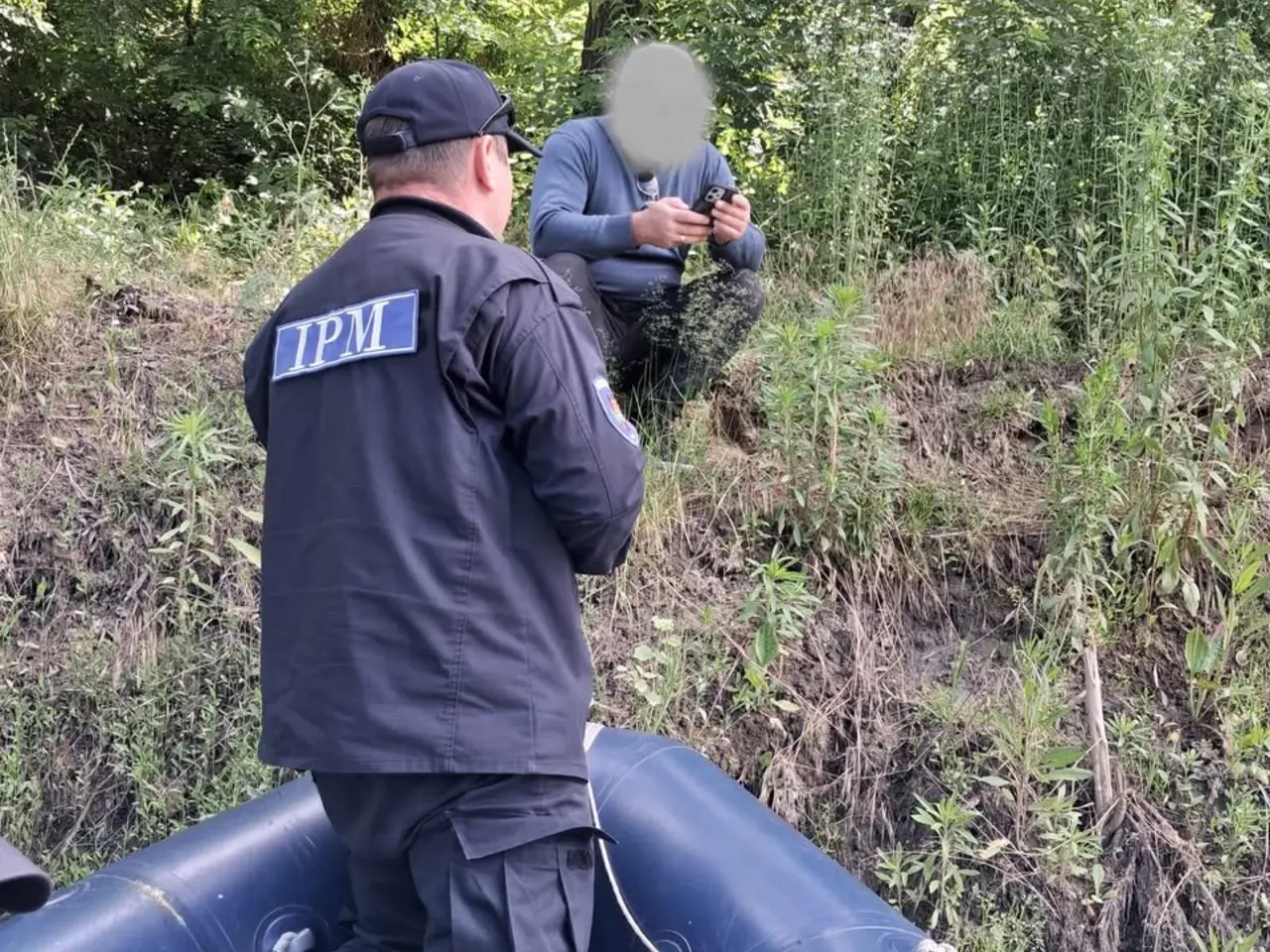
An inspector of the Environmental Protection Inspectorate, with "IPM" written on his back, stands in an inflatable boat by the Prut bank and checks a man whose face is blurred, during a raid against illegal fishing.
LOCAL

In Ungheni, a Prut river raid shows what stays banned for fishing after the spawning ban

Environmental inspectors from Ungheni and the Border Police carried out fresh raids against illegal fishing on the Prut under the "TRITON 2026" operation and issued penalties — without saying how many. Yet on the Prut the spawning ban had ended on 7 June, so recreational fishing is allowed again. What remains banned are poaching gear, protected species and fishing without the border-zone access permit — with fines from 300 to 4,500 lei for individuals.

Ion Calmis·16 June 2026· Explainer