
TAG

#licensing

2 articles
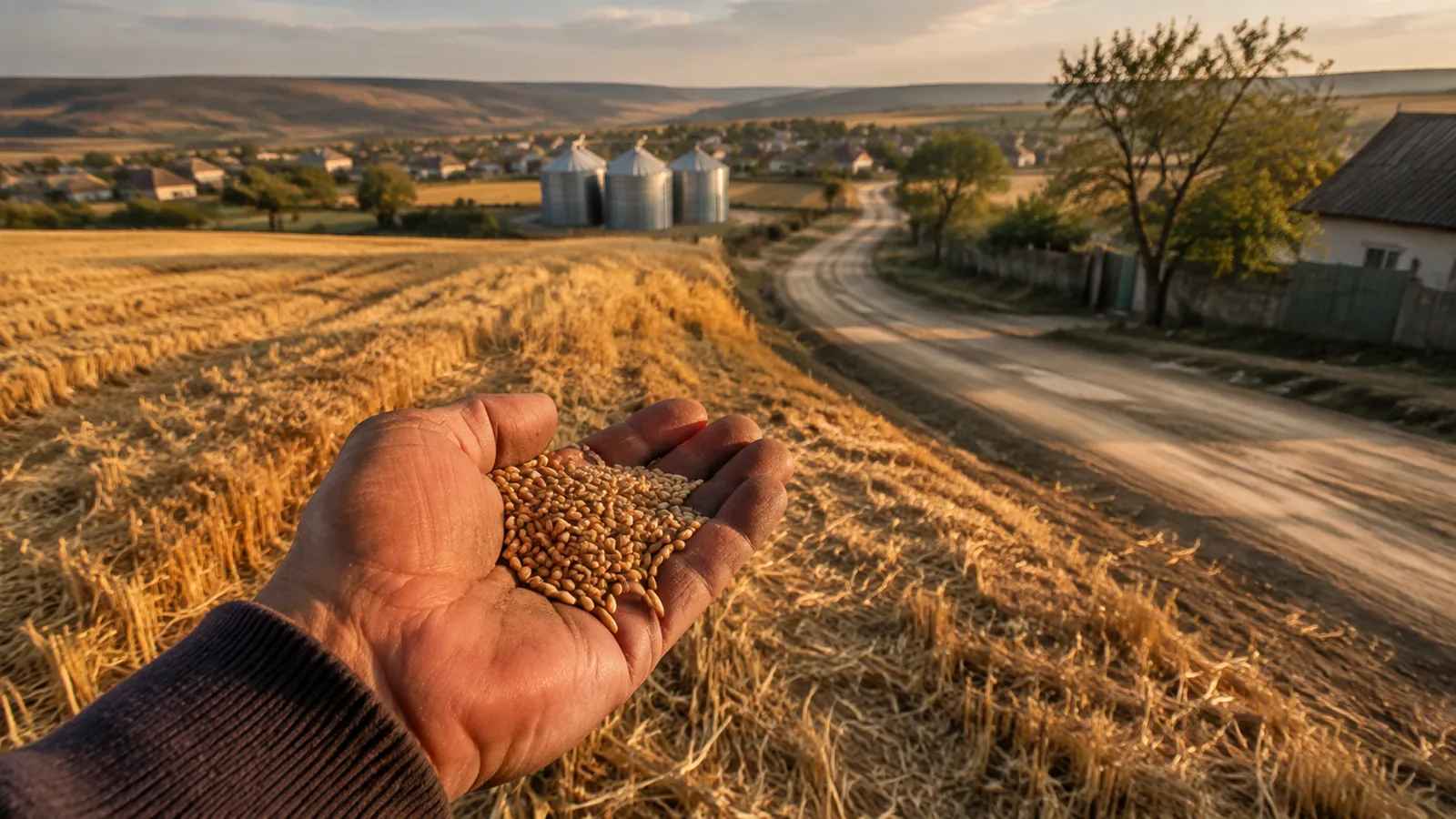
A harvested wheat field on the edge of a Moldovan village in low September light, with wheat grains in an open palm.
NATIONAL

Grain import licensing until 31 October. In Ungheni, millers and livestock farms will be the ones able to apply

Parliament passed the law in second reading on Friday, 4 September, with 53 votes — all from the PAS faction. The original bill would have run until 31 December 2027; what remains is a regime with a hard deadline of 31 October 2026, with no possibility of extension, and industry associations have been removed from the commission that will issue the licences. The law does not apply yet: it enters into force on publication in the Official Gazette. The import licence will be free, but only processors will be able to apply — livestock, milling, oils, animal feed — not traders. In Ungheni district that splits the two camps: 16,889 hectares of cereals on one side, the millers and 6,914 pigs on the other.

Ion Calmis·6 September 2026· NewsWHAT'S AT STAKE
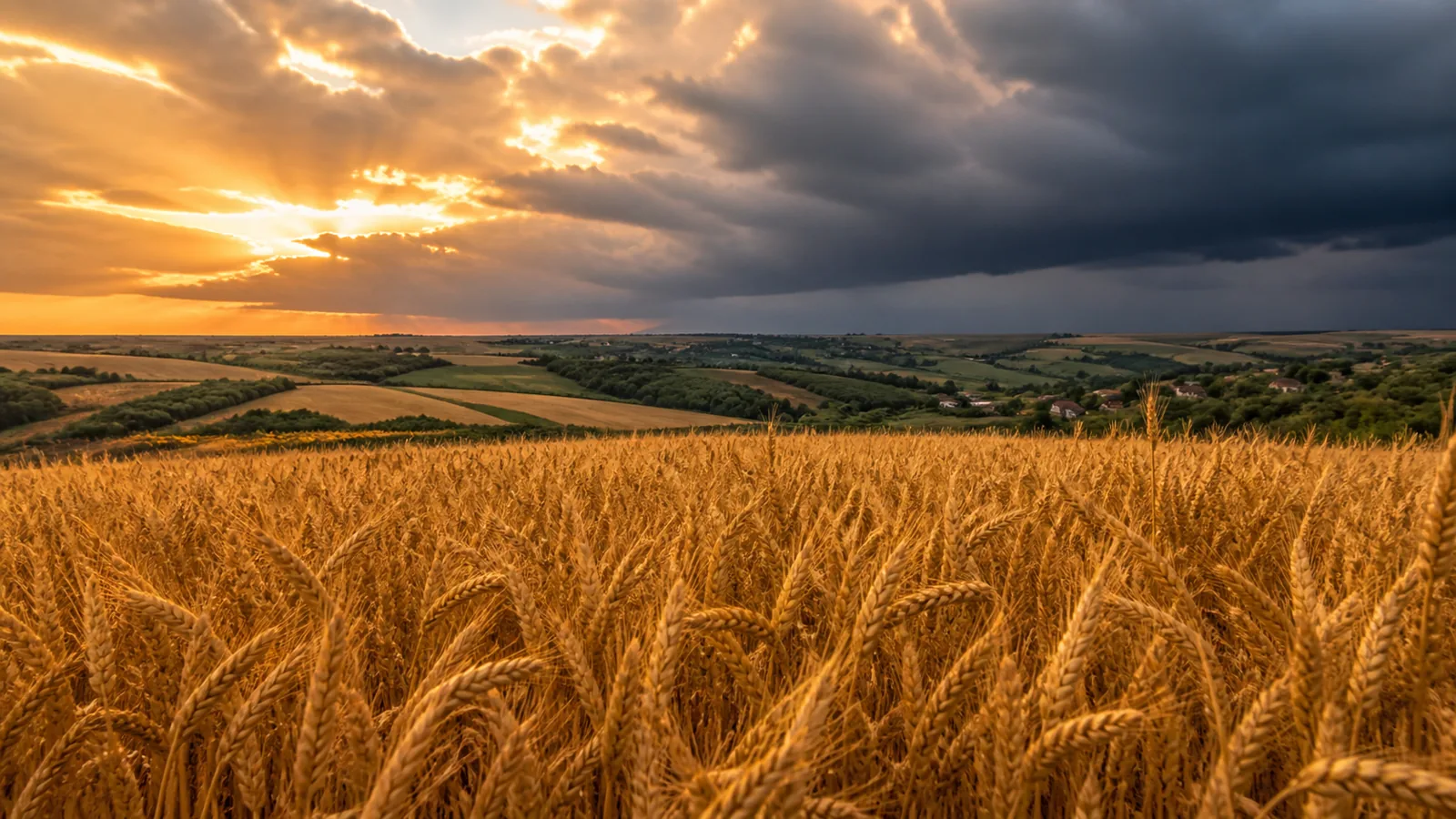
A wide field of ripe golden wheat in warm sunset light, with rolling hills on the horizon and dramatic clouds heralding change.
NATIONAL

Moldovan wheat sells below cost and the Government wants to stop imports. Ungheni district is caught on both sides

On August 26, the Government backed the reintroduction of import licensing for cereals and oilseeds as a temporary measure until October 31. It is not a government decision — it is an opinion on a draft law that Parliament still needs to vote on. Prime Minister Tofan openly acknowledges the measure helps grain growers but hurts millers and livestock farmers. Ungheni district is caught on both sides: 17,000 hectares of cereals with above-average yields, but also 22 milling companies that need cheap grain.

Ion Calmis·27 August 2026· ExplainerWHAT'S AT STAKE