TAG

#agriculture

9 articles
A sheaf of wheat ears tied with twine, next to an old office calculator with beige keys, on a wooden table in the morning light.
NATIONAL

2027 fiscal policy adopted: an Ungheni employee keeps 1,238 lei a year, and cereals stay at 8% VAT until 2028

On 22 October Parliament adopted the package of fiscal and customs policies for 2027. The personal exemption rises from 29,700 to 40,020 lei a year, and the exemption for children from 9,900 to 11,040 lei. At the 12% rate, an employee entitled to the personal exemption pays about 1,238 lei less tax a year. Ungheni district had 15,935 employees at the end of 2025, so the effect of the personal exemption across the district comes to at most 19.7 million lei a year. Compared with the August draft, cereals and oilseeds stay at 8% VAT until 31 December 2027, while livestock farming, crop farming and horticulture move to 12%.

Ion Calmis·22 October 2026· ExplainerWHAT'S AT STAKE
2/3 confirmed · PEOPLE — pending· got a tip? write to us →
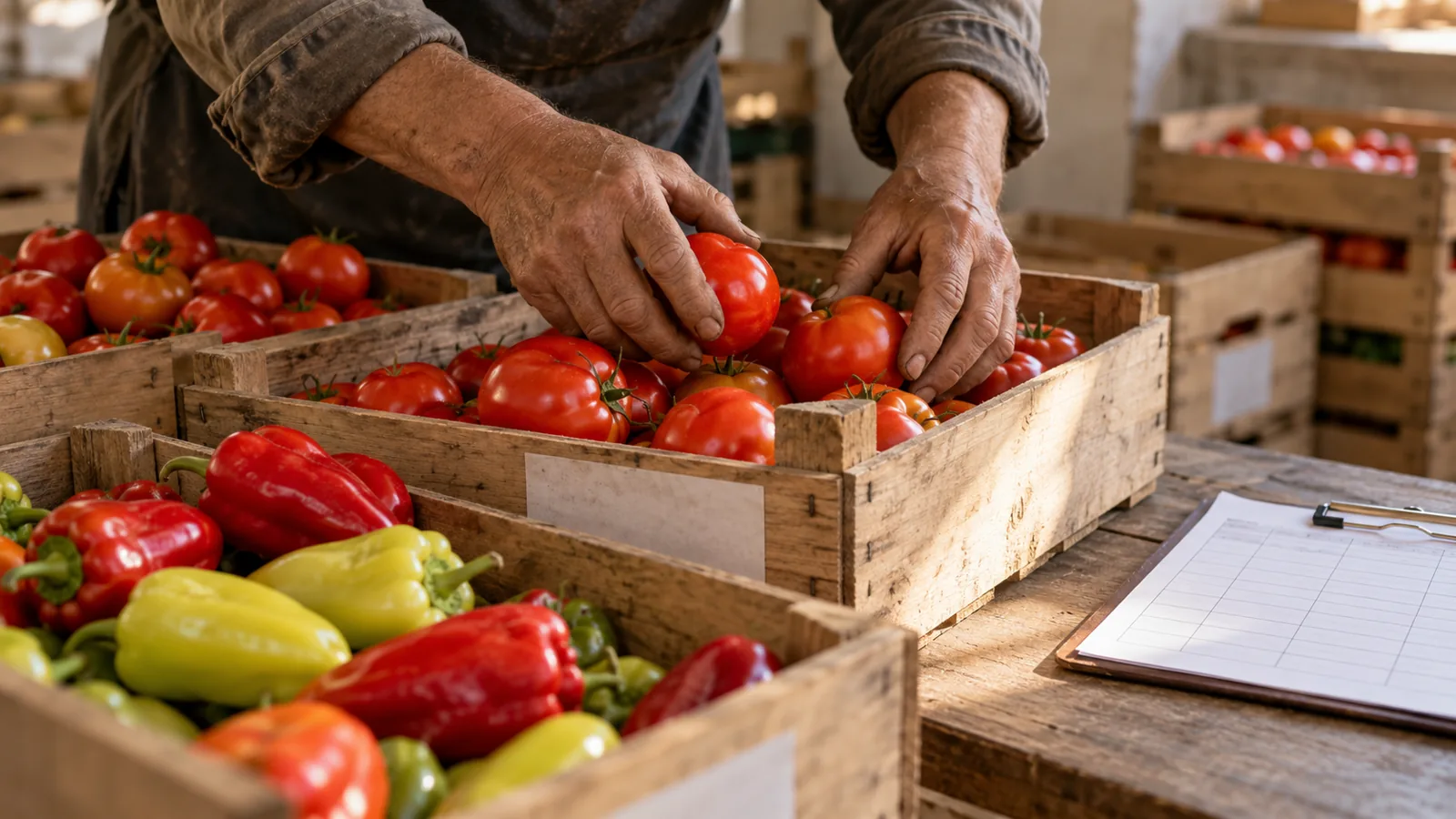
A farmer's hands place tomatoes into wooden crates on a sorting table; beside them, crates of peppers and a checklist on a clipboard.
LOCAL

Ungheni, one of two pilot districts in a three-year Italian project for small farmers

The District Council announces that Ungheni is one of the two districts chosen nationwide for a three-year pilot project, funded by Italy, that prepares small and medium-sized farmers for European rules. The project has 4 million euros for the whole country; how farmers can sign up has not yet been announced.

Ion Calmis·21 October 2026· News
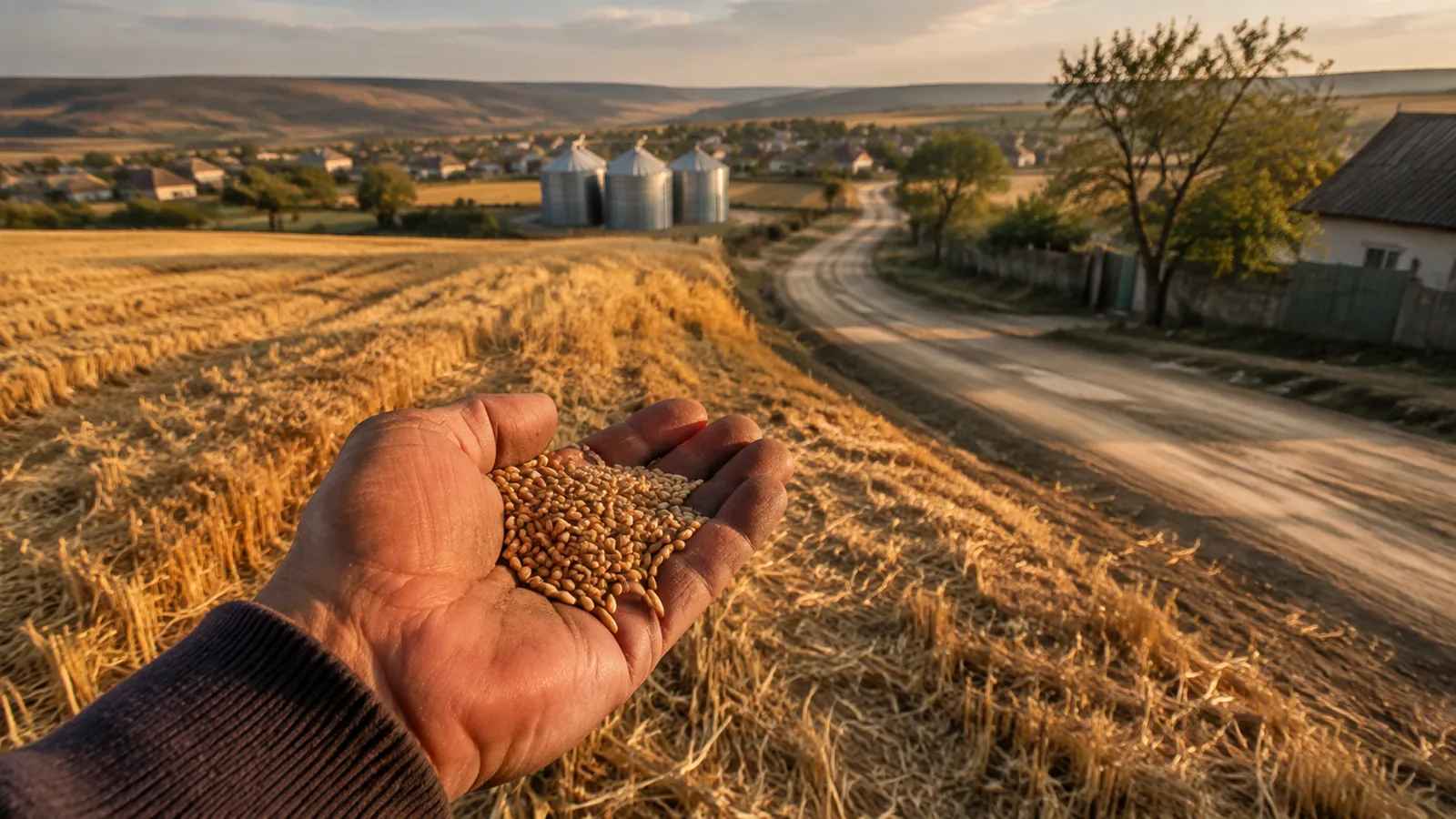
A harvested wheat field on the edge of a Moldovan village in low September light, with wheat grains in an open palm.
NATIONAL

Grain import licensing until 31 October. In Ungheni, millers and livestock farms will be the ones able to apply

Parliament passed the law in second reading on Friday, 4 September, with 53 votes — all from the PAS faction. The original bill would have run until 31 December 2027; what remains is a regime with a hard deadline of 31 October 2026, with no possibility of extension, and industry associations have been removed from the commission that will issue the licences. The law does not apply yet: it enters into force on publication in the Official Gazette. The import licence will be free, but only processors will be able to apply — livestock, milling, oils, animal feed — not traders. In Ungheni district that splits the two camps: 16,889 hectares of cereals on one side, the millers and 6,914 pigs on the other.

Ion Calmis·6 September 2026· NewsWHAT'S AT STAKE
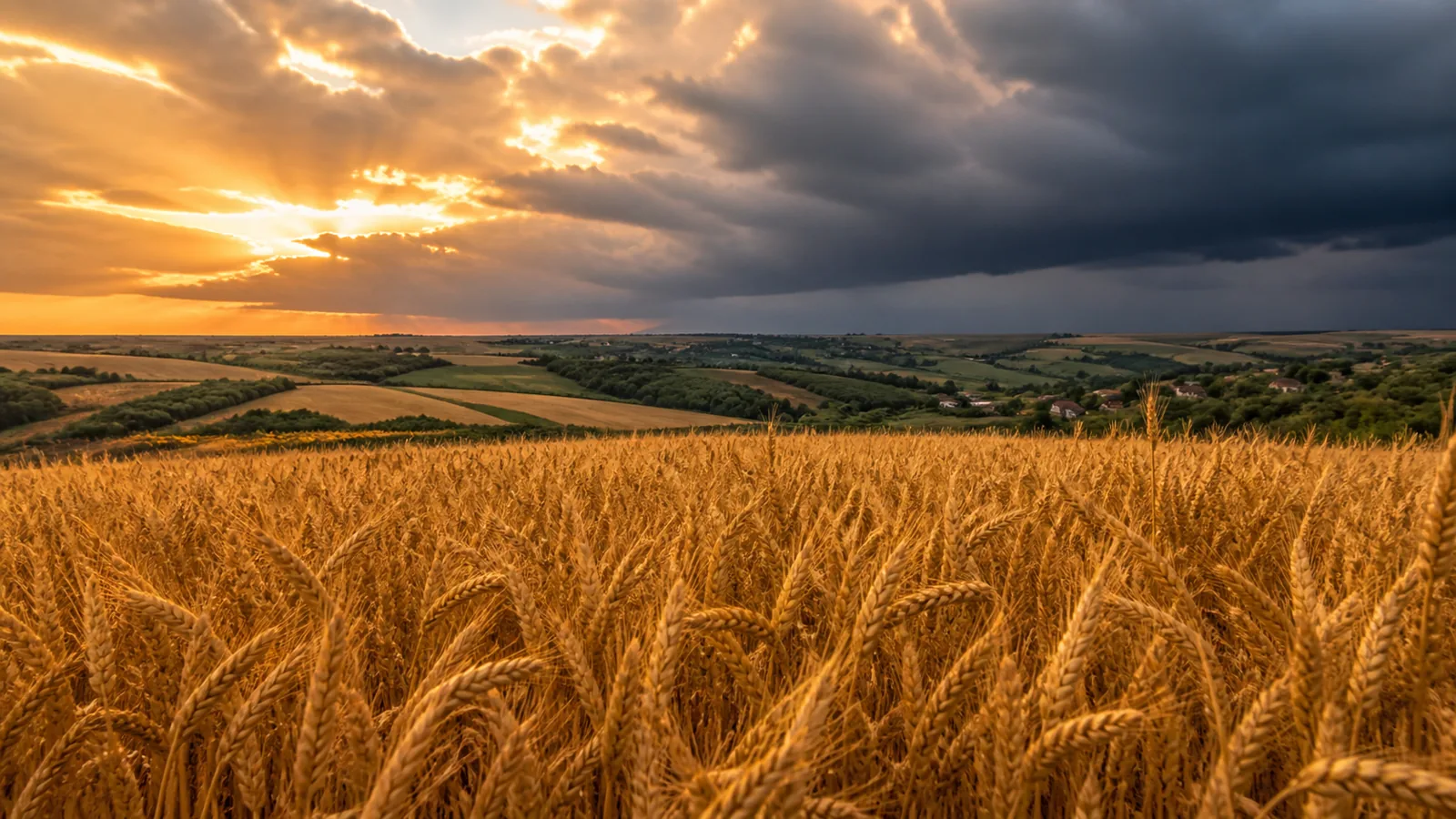
A wide field of ripe golden wheat in warm sunset light, with rolling hills on the horizon and dramatic clouds heralding change.
NATIONAL

Moldovan wheat sells below cost and the Government wants to stop imports. Ungheni district is caught on both sides

On August 26, the Government backed the reintroduction of import licensing for cereals and oilseeds as a temporary measure until October 31. It is not a government decision — it is an opinion on a draft law that Parliament still needs to vote on. Prime Minister Tofan openly acknowledges the measure helps grain growers but hurts millers and livestock farmers. Ungheni district is caught on both sides: 17,000 hectares of cereals with above-average yields, but also 22 milling companies that need cheap grain.

Ion Calmis·27 August 2026· ExplainerWHAT'S AT STAKE
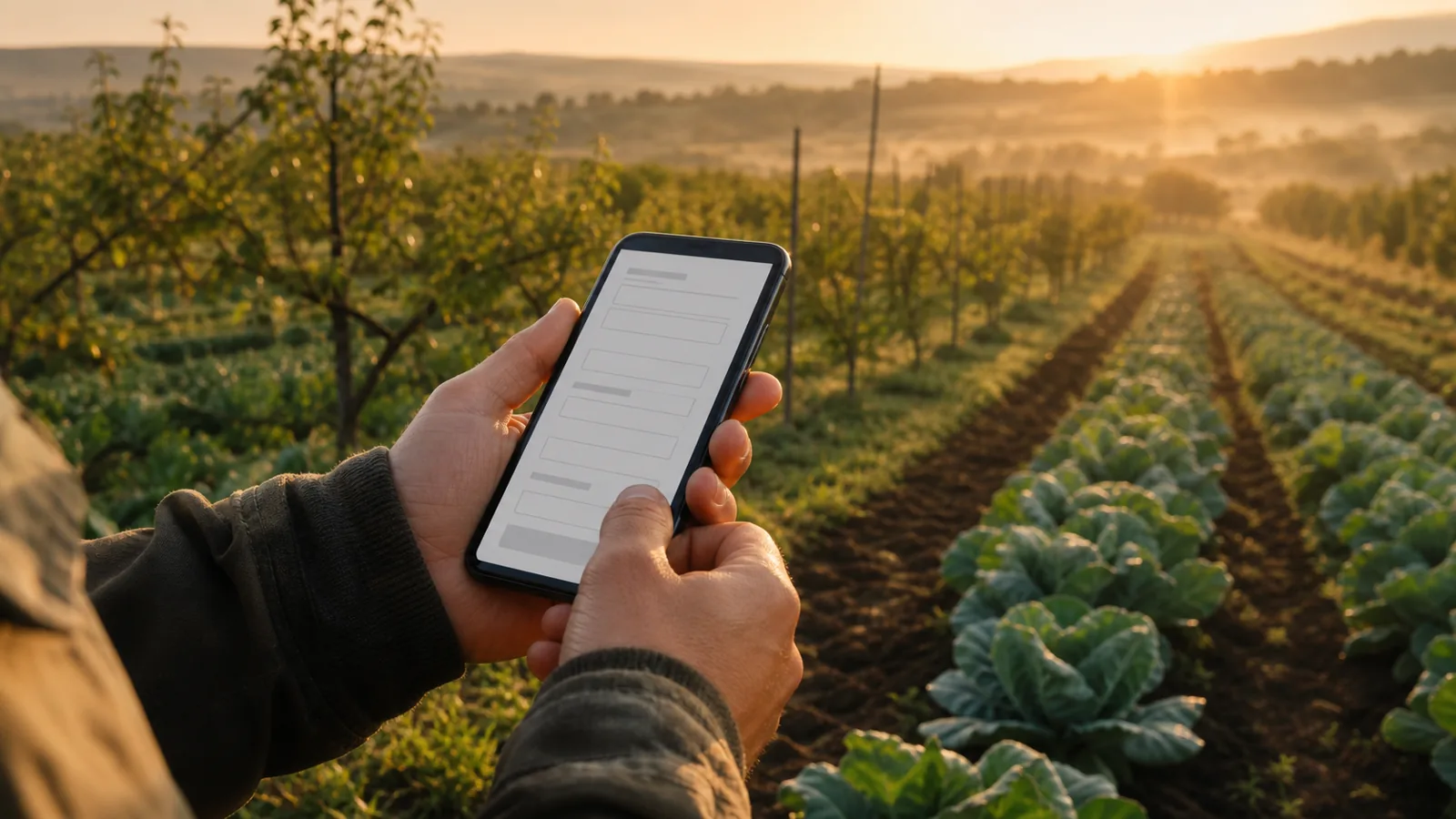
Symbolic illustration: a worker's hands in an agricultural field and a phone showing a digital registration form, suggesting seasonal work moving into an electronic register.
NATIONAL

Ungheni farmers learn to register their day labourers online: the e-Zilier platform is now mandatory, and from 2027 fieldwork could get more expensive

At the Ungheni District Council, representatives of the Ministry of Labour and of the Farmers' Federation trained the district's agricultural producers on e-Zilier — the electronic register in which, since 1 June 2026, every seasonal worker must be logged before picking up a hoe, with an electronic signature and under threat of a fine if they are not entered in time. The platform promises less red tape and, for the first time, pension credit for day labourers. The local stakes are high: the district works some 30,000 hectares but has only around 1,200 formal agricultural employees — a sign that the bulk of fieldwork is precisely the seasonal kind the platform is bringing into the open. Hanging over it all is a separate tax proposal for 2027 that would raise contributions for day labourers from 0% to 21%.

Ion Calmis·2 July 2026· ExplainerWHAT'S AT STAKE
2/3 confirmed · DATA — pending· got a tip? write to us →
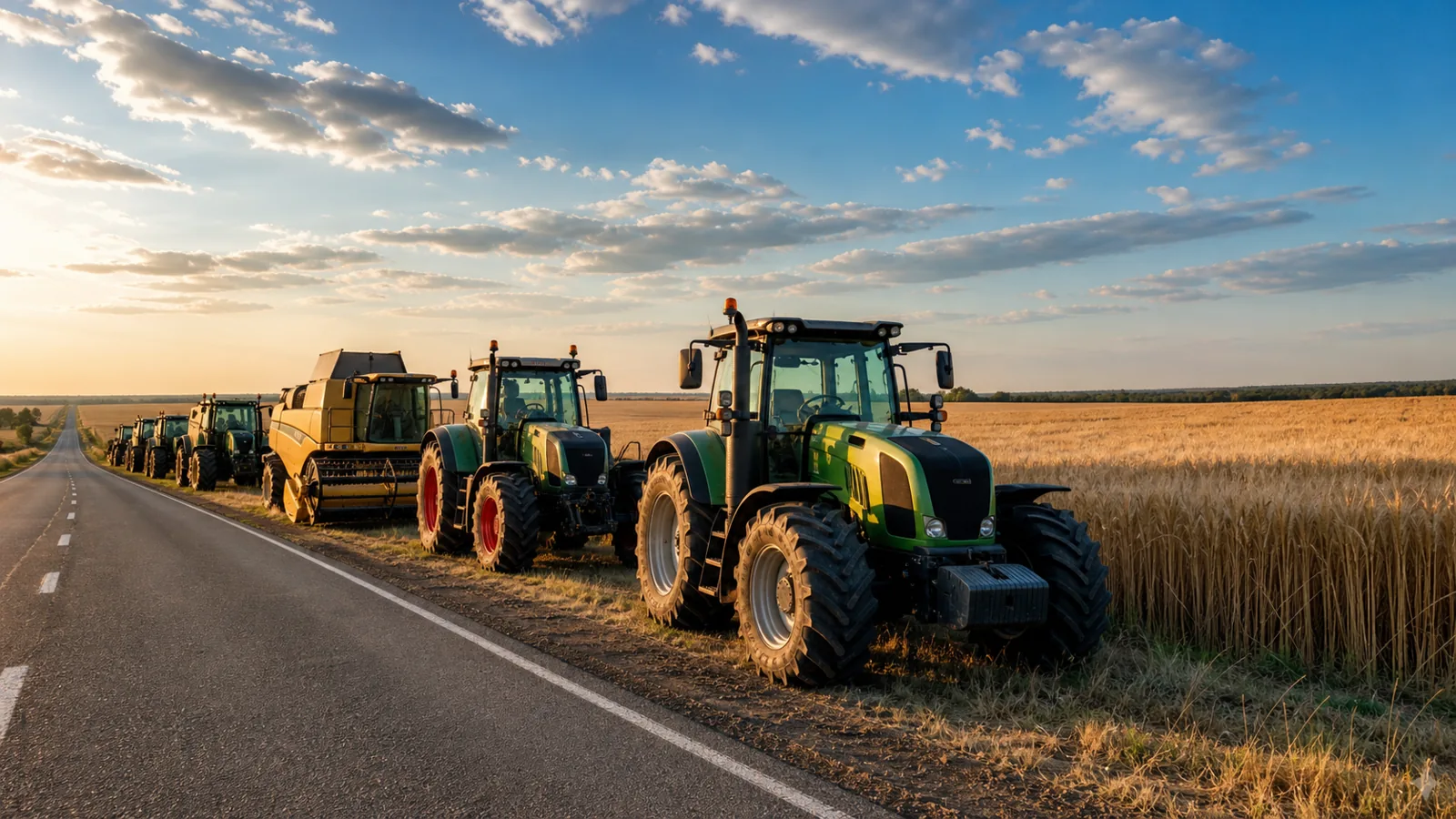
A line of tractors and a combine harvester parked along the shoulder of a national road next to a field of ripe wheat, in summer, a rural landscape in the Republic of Moldova.
NATIONAL

Farmers roll out the tractors tomorrow over an 8% VAT: a Valea Mare grower says the jump to 20% «will be a big minus»

The “Forța Fermierilor” (Farmers' Force) association has called a nationwide protest for Wednesday, 24 June, with agricultural machinery on the country's roads, after talks with the Finance Ministry hit a dead end. The stake: the government wants to raise farm VAT from 8% to 20% starting 1 October. It sounds like a budget line — until a farmer from Valea Mare, Ungheni district, shows what it does to 2,000 hectares of grain. The exact protest locations had not yet been announced; that it would also reach Ungheni district we could not confirm at a primary source.

Ion Calmis·23 June 2026· ExplainerWHAT'S AT STAKE
A field of ripe wheat and an orchard with a tractor on the horizon, in summer, in a rural landscape of the Republic of Moldova.
NATIONAL

17,000 hectares of cereals and farms vanishing from the registers: what the farmers' talk with the PM changes for Ungheni

At the government, Prime Minister Alexandru Munteanu met farmers and spoke about access to finance, seasonal labour, taxation and the insolvency law. It sounds abstract — until you put it on the map of the Ungheni district: nearly 17,000 hectares of cereals, 10,000 of sunflower, a sector grown to 30,000 hectares, yet carried on the backs of small producers. And on the ground, in Pârlița and Măgurele, town halls are recording drought damage and striking inactive farms off the registers.

Ion Calmis·22 June 2026· ExplainerWHAT'S AT STAKE
2/3 confirmed · PEOPLE — pending· got a tip? write to us →
An apple orchard on hills at sunset, with rows of young trees and a cold-storage warehouse in the distance.
NATIONAL

Moldova negotiates 150 million euros for orchards and vineyards. How much can a district like Ungheni get, where plantations have thinned

Parliament has cleared the way for negotiations on a new European loan of 150 million euros, «Livada Moldovei II», for horticulture, viticulture and irrigation. The money is plentiful, but it comes as a loan, not a gift — and the first programme absorbed only three quarters of its funds. For the Ungheni district, where the area of orchards has fallen by a fifth in a decade, the real question is not how much is given nationally, but whether the money reaches here too.

Ion Calmis·17 June 2026· ExplainerWHAT'S AT STAKE
2/3 confirmed · PEOPLE — pending· got a tip? write to us →
Hillside vineyards at sunset, with a field of ripe wheat and a small farm in the distance
NATIONAL

Farm subsidies 2026–2030: EU-style rules decide who gets the 18.9 billion lei

The government has approved an agricultural subsidy programme for 2026–2030 under which the annual fund grows from 2.3 to 5.3 billion lei. Nearly three quarters of the money goes to investment rather than per-head livestock payments, and the new EU-style conditions require farmers to keep records that many small producers simply don't have. For a farming, largely rural district like Ungheni, the subsidy becomes a tool for modernisation — but also a filter.

Ion Calmis·3 June 2026· ExplainerWHAT'S AT STAKE